Joe Biden nominates Kamala Harris for VP: What your place in the world says about your view of the world

U.S. Senator Kamala Harris (D-CA) speaks to her supporters at the official launch rally for her campaign as a candidate for President of the United States on Jan. 27, 2020 in Oakland; California. Photo: Christopher Victorio/imageSPACE/MediaPunch /IPX

Joe Biden named California Sen. Kamala Harris as his running mate yesterday. If elected, she would be the nation’s first female, first Black, and first Asian American vice president.

Sen. Harris is a native of Oakland, California. Her father, who is Jamaican, taught at Stanford University. Her mother, the daughter of an Indian diplomat, was a cancer researcher. She served as attorney general for San Francisco and then the state of California before she was elected to the Senate in 2016. 

She and Beau Biden, the presidential nominee’s late son, worked closely together when he was Delaware’s attorney general. She campaigned for the Democratic presidential nomination and, after leaving the race in December, gave her full support to Mr. Biden. 

Numerous Democratic leaders tweeted their support yesterday for Sen. Harris. By contrast, the Trump campaign responded much more critically. 

Your position regarding Mr. Biden’s selection likely reflects your position regarding the election. Where we are in the world, both physically and ideologically, says a great deal about how we see the world. 

If time is a line on a page, God is the page 

Yesterday, we explored the first part of 1 Peter 1:1, where the apostle addressed his letter “to those who are elect exiles.” We focused on our status as “exiles,” noting the importance of seeking the welfare of our society while we trust God with our future and seek his presence in the present. 

Today, let’s think about the rest of Peter’s introductory paragraph: “of the Dispersion in Pontus, Galatia, Cappadocia, Asia, and Bithynia, according to the foreknowledge of God the Father, in the sanctification of the Spirit, for…

… Read More


Click Read More to read the rest of the story from our content source/partners – Denison Forum.

قالب وردپرس

7 Ways for Pastors to Re-focus on the Great Commission

Tyndale and Church Answers Announce New Ministry Partnership Learn More


Post Quarantine Church

How to lead a virtual bible study

I have been a church consultant for more than twenty years, and I have never seen a strong Great Commission church without a pastor burdened for his neighbors and the nations. Simply stated, a congregation-wide DNA of brokenness over lostness usually trickles down from the top. If your longing to get the gospel to the lost has waned, my goal here is to provide some simple suggestions to re-ignite that passion.

  1. Admit to God and to someone else where you are. Confession to God is the first step toward change, and accountability with others is a daily reminder of your renewed commitment.
  2. Ask someone to pray these texts for you: Ephesians 6:19-20 (that you will share the gospel boldly) and Colossians 4:3-4 (that God will open a door and help you speak the gospel clearly). If the apostle Paul needed folks to pray this way for him, surely pastors need this same support today.
  3. Do a Bible study on “grace.” Frankly, we often lose our passion for the Great Commission because we take grace for granted. Go back to the beginning of your spiritual journey, and let the Word magnify the grace of God again.
  4. Once a week, take a couple of hours to see your community with God’s eyes. Schedule time to be in…

… Read More


Click here to read the rest of the story from our content source/partners – Thom Rainer.

قالب وردپرس

Coming Together as a Country in the Wake of Tragedy

I’ve always been impressed by what I call the “aftermath mentality.” As Americans, we are so good at treating each other as individuals and family after a crisis. Take, for example, the 2015 shooting in Charleston, South Carolina. If you know anything about the historic city of Charleston, it isn’t difficult to imagine why Dylann Roof chose the Emanuel African Methodist Episcopal Church as his target. Known as Mother Emanuel because it birthed other AME churches, the church has endured more than its share of tragedies since its founding in 1816. Back then, all churches in Charleston were required to have a majority white membership, and blacks were allowed to meet for church services only during the day. African Americans were routinely harassed and forbidden to learn to read. Denmark Vesey, one of the church’s founders, was implicated in a slave revolt and was later executed after a secret trial.

Six years after the church’s founding, the original church building was burned to the ground by whites who were angry about black progress. The black congregation continued to meet in secret until the end of the Civil War, and then they rebuilt Mother Emanuel. In 1969, Coretta Scott King led a march from Mother Emanuel during the infamous hospital workers’ strike. Throughout the church’s history, great speakers like Booker T. Washington, Dr. Martin Luther King Jr., and the Reverend Wyatt Tee Walker of the Southern Christian Leadership Conference often chose to speak at Mother…

… Read More


Click here to read the rest of the story from our content source/partners – Thom Rainer.

قالب وردپرس

Postcard From Turkey: Where It’s Raining Plums

An NYC-based writer relocates to Istanbul with a carry-on suitcase and mantı in her sights.

The post Postcard From Turkey: Where It’s Raining Plums appeared first on TASTE.

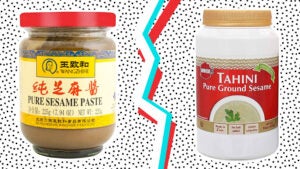
A Tale of Two Sesame Pastes

Knowing the difference between tahini and Chinese sesame paste goes a long way in the kitchen.

The post A Tale of Two Sesame Pastes appeared first on TASTE.

The Chewy, Sticky Glory of Glutinous Rice

It gives mochi its bouncy bite and fried chicken its craggy crust. But that’s not all.

The post The Chewy, Sticky Glory of Glutinous Rice appeared first on TASTE.

The Future of Food Media Is in Your Inbox

Indie newsletters are booming, and they’re home to some of the most exciting food writing today.

The post The Future of Food Media Is in Your Inbox appeared first on TASTE.

The last Blockbuster is hosting an Airbnb sleepover in September

“Our Blockbuster store is open because of the incredible local community in Bend, and we’ve been grateful to have the support of those beyond our town as the coronavirus pandemic has impacted our business,” she wrote on Airbnb. “To celebrate and pay it forward in this tradition of support, Airbnb will make a donation to the Humane Society of Central Oregon, a longtime partner of ours.”

The last Blockbuster is listed on Airbnb for three nights.

Airbnb

Harding says guests will have the store completely to themselves, and everything will be thoroughly cleaned between visits, abiding by CDC recommendations.

“We’ve created the perfect space complete with a pull-out couch, bean bags and pillows for you to cozy up with ‘new releases’ from the ‘90s,” the Airbnb description reads. “Crack open a two-liter of Pepsi before locking into a video game, charting your future in a game of MASH, or watching movie after movie. But be wary of reciting “Bloody Mary” in the staff bathroom off of the break room, as you just may summon the ghost rumored to haunt the store. And help yourself to some NERDS, Raisinets and popcorn (heavy on the butter), but make sure you save room for a couple slices.”

After the sleepovers, the living room set-up will remain at the Blockbuster for a limited time, and customers will be able to check it out for themselves during store hours.

Life Through Hibiscus-Colored Glasses

Paging through Chicano Eats is a little like walking through a kaleidoscopic candy store display. Vibrant jewel tones and geometric shapes come into focus, whether you’re looking at a shelf of clay cookware or a bowl of ruby-red frijoles charros. And then there are the recipes that are literally inspired by classic Mexican candies, like the Duvalin-hued Jell-O mold, and the spicy, charred wings that take after Lucas Gusano tamarind candies.

The new cookbook is by Esteban Castillo, who writes and photographs an award-winning blog of the same name. Like the blog that he founded in 2016, the book documents some of the most memorable food that Castillo grew up eating during a childhood split between Mexico and California. There are also glimpses into the confidently carefree way that he cooks now, at home in Fresno, from the roasted garlic and poblano tagliatelle, to the brownie tart swirled with cajeta and cream cheese.

I recently caught up with Castillo to talk about some of the ingredients, color theory, and family memories that inspire his work, and what it was like to translate this all into a cookbook.

How long have you been blogging at Chicano Eats, and what made you decide to start the project?
I have been blogging for just under four years now! What really pushed me to start blogging was that I just didn’t see any other voices like mine, and I could never find any of the recipes I had grown up with, either. The food-blogging space is very white-centric, and seeing big publications turn to them to share our recipes and stories led me to ask myself, “What can I do to change that so that we can have a seat at the table and also be able to share our own stories?”

Both your blog and the book have such a distinct visual identity. When it comes to visualizing dishes and how you want to photograph them, where do you find inspiration?
The way I shoot my dishes has always been intentional, and a lot of my inspiration comes from geometry and color theory and the way shapes and shadows all work together. There’s a strong perception that Mexican food is cheap and is nothing more than tacos or burritos, and so I’ve shot everything with a colorful and minimalistic approach to help change that. I want you to be able to take a step back and see one of my photos and challenge your biases.

When you set out to write a book, were there any nonnegotiable recipes you knew you wanted to include in there?
Just like with the blog, I wrote this book because I hadn’t seen anyone else write a cookbook from the perspective of someone who grew up in between the United States and Mexico, who was also queer. The recipes in the “Essentials” chapter were especially important because they are the foundation of our cuisine and a great introduction to my culture. Growing up, my parents had very little money to work with, so we’d often have a pot of beans and rice for dinner, and I’ve always been taught that if you can learn to make a great pot of stovetop beans, you’ll never go hungry.

The book really weaves together dishes that you grew up eating in Southern California and Colima, Mexico, with the way you think about cooking now. Were there any childhood dishes that you had to learn how to make (or re-learn) specifically for the book?
One of my favorite dishes in the book (that almost didn’t make it into the book) is the Beef Birria (a stew braised in a chile guajillo broth traditionally made with goat). I tested the recipe a few times, and it just didn’t taste like home to me, so I gave up on it. Months later, before turning in my completed manuscript, I gave it one more chance, and I called my mom for advice. I made it the next morning, and I just remember walking into the kitchen and it smelling like my mom’s house—and I knew then that the recipe was perfect, and it was!

I love how much hibiscus comes into play in the book—an ingredient I mostly tend to associate with teas and aguas frescas. What do you like about hibiscus, and do you have any advice about working it into both savory dishes and desserts?
Hibiscus is just such a diverse ingredient, and I love that you are able to use the tea to infuse barbecue sauces with it, but then again use the rehydrated flowers for jam and salsas, or sauté it with spices for tacos—I think it just comes from having to be resourceful and doing the most with what’s at hand. Taste your ingredients, and let your mind wander—you never know what you might come up with.

I kept gasping while reading the “Postres” chapter because of all the brilliant uses of gelatin. There’s the layered pastel beauty of the Duvalin Jell-O, and the crisp cross-section of the dulce de leche chocoflan. Can you tell me about where some of these ideas came from, and why you find Jell-O such a source of inspiration?
Jell-Os are just such great vessels for ideas, and this chapter was heavily inspired by the kinds of Jell-Os and desserts my aunts used to make. The Duvalin is a frosting-like candy that comes in a combination of flavors, but my favorite was always the one that had the hazelnut, strawberry, and vanilla layer, so for me, translating that into a Jell-O was a no-brainer.

A few other recipes in the book were also inspired by some of the candies I grew up with, like the tamarind wings in the appetizer chapter. I re-created the flavors of the spicy tamarind  Lucas Gusano candy, and made a tamarind ancho chile sauce to mimic the flavors to toss wings in.

This interview has been edited and condensed for clarity.

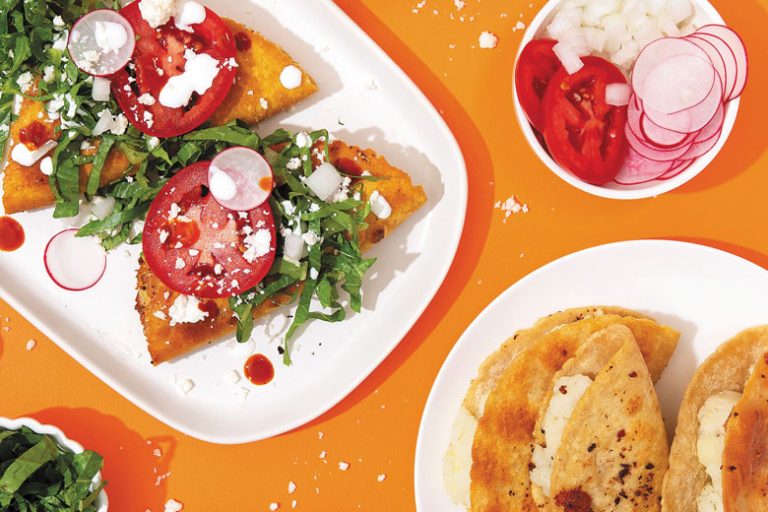
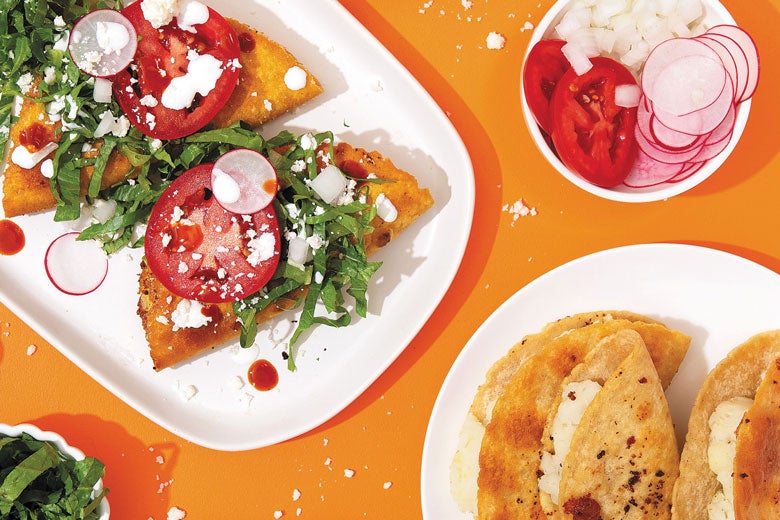
Tacos de Papa

4 RECIPES WE LOVE FROM CHICANO EATS

MICHELADA RIBS WITH HIBISCUS BBQ SAUCE
With its saturated magenta color and soft floral flavor, hibiscus has a savory side that’s worth getting to know, especially in these beer-braised ribs.

MI ABUELITA’S TACOS DE PAPA
These crispy tacos are filled with a garlicky potato mash and a bright adobo sauce.

MAC AND QUESO FUNDIDO
Castillo combines creamy, melty queso fundido with cavatappi pasta for a mac you can eat straight from the skillet.

DULCE DE LECHE CHOCOFLAN CAKE
Defying all logic and gravity, it’s a fudgy chocolate cake on the bottom, and a creamy dulce de leche flan on top.

MORE COOKBOOKS TO BUY, READ, AND COOK FROM

Random House has put together a free summer sampler of recipes from Ina Garten, Danny Trejo, Toni Tipton-Martin, Bryant Terry, Aaron Franklin, and more.

Last week, we talked to John deBary, the author of Drink What You Want. He has opinions about Singapore Slings and swim-up bars.

As big Spam fans, we obviously excited to see The Ultimate SPAM Cookbook.

Sports and tailgating may be on pause, but that doesn’t mean you can’t eat your fill of pulled pork and BBQ wings this summer. Let Tailgreat, by John Currence, show you the way.

Whether or not you’ve realized it, you’ve probably seen an Instagram photo of her famous pan-banging chocolate chip cookies at one time or another. If you’ve tried them yourself, you won’t want to miss Sarah Kieffer’s 100 Cookies, which comes out in August.

Journey to the Land of Prosciutto and Frico

“Friuli is a land of castles and giants and princes,” says cookbook author Meredith Erickson of the topic of her latest deep dive, Friuli Food and Wine, written with Bobby Stuckey and Lachlan Mackinnon-Patterson, co-owners of Frasca Food and Wine in Boulder. “Friuli is mysterious.” Erickson, along with her collaborators (who met working at The French Laundry before decamping to rural Colorado), is exploring this lore through a richly photographed travelogue and cookbook tackling the food of Italy’s extreme north.

Technically called Friuli Venezia Giulia, or FVG to avoid the marble mouth, the region borders Austria, Slovenia, and the Adriatic Sea. The food and wine culture can’t be put in a single box, influenced as it is by the neighboring Austro-Hungarian Empire countries, as well as the varied geography—the protruding Dolomites and Carnic Alps and the surf rolling into the port of Trieste. Wine is king, particularly the whites, and the prosciutto di San Daniele and frico made with local Montasio cheese are legendary. But looking closer, as the authors do, Friuli is far from the sun-soaked stereotypes of Italy’s south.

This is the land of crisp Friulano (the region’s namesake white wine) and the “OG polenta,” as Erickson writes in the book about the region’s buckwheat version that predates corn. FVG is a unique place, with a level of isolation from the rest of the Boot—both cultural and geographical—that feels almost like the island of Sicily in the south. But unlike Sicily, few in the United States have identified Friuli as a region to seek out for travel, or for cooking through at home. The authors give readers plenty of reason to do so here, and, as Erickson writes from her current home in Milan, plenty to love for the wine nerd, cyclist, runner, and Italian lover.

Why has Friuli been so overlooked as one of Italy’s finest regions for food and wine?
For some, the mystery comes from its border with Slovenia—we’re not in an Under the Tuscan Sun realm here. And that’s what I like about it. Much of Friuli sits in the shade of the Carnic Alps, and its real estate on the Adriatic—though completely singular with the lagoon of Grado—is relatively small. Millions flock to Venice each year, and I think Friuli is just outside of that spotlight. But I think that’s part of FVG’s appeal. You can land in Venice and literally be eating the freshest seafood an hour later in Grado and drinking Friulian wines. Don’t get me wrong—I love Venice—especially when it’s quiet, like it is now. But if you love the underdog and the undiscovered, and the warmest hospitality, my money is on FVG every time.

How were you introduced to the region, and how often do you visit?
I’ve always been intrigued by Friuli. I guess my first introduction was in Ernest Hemingway’s A Farewell to Arms. At that time, I was interested from a wine perspective, with the famed wines of Gravner, Radikon, and Vodopivec. When I started reading Bobby’s wine list at Frasca from my home in Montreal, well, it was one of the lists I was most impressed and excited by. I reached out to Bobby saying, “Hey, if you’re ever interested in a collaboration . . .” And he was in touch right away. We visited FVG four times for the book, and I’ve been back twice—all in the span of four years or so.

How did Bobby and Lachlan come to love the region, and what’s it like traveling there with them?
It was around 2001 that Bobby and Lachlan (pictured above right), along with Bobby’s wife, Danette, traveled to Friuli. A year later, they decided to move to the “culinary middle of nowhere” in Colorado to open a restaurant where the food and wine would be inspired by the relative middle of nowhere of Friuli Venezia Giulia, Italy. They’ve been visiting the region for the better part of 15 years, usually about two to three times a year. So it’s really the best, traveling with them. They have the whole routine down: Arrive and go straight to the FVG HQ (home away from home), La Subida. It’s the most incredible restaurant and inn—the best family, and what a wine list.

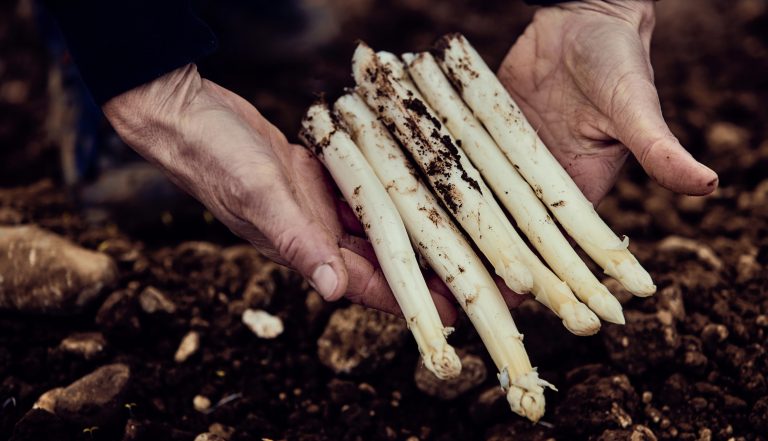
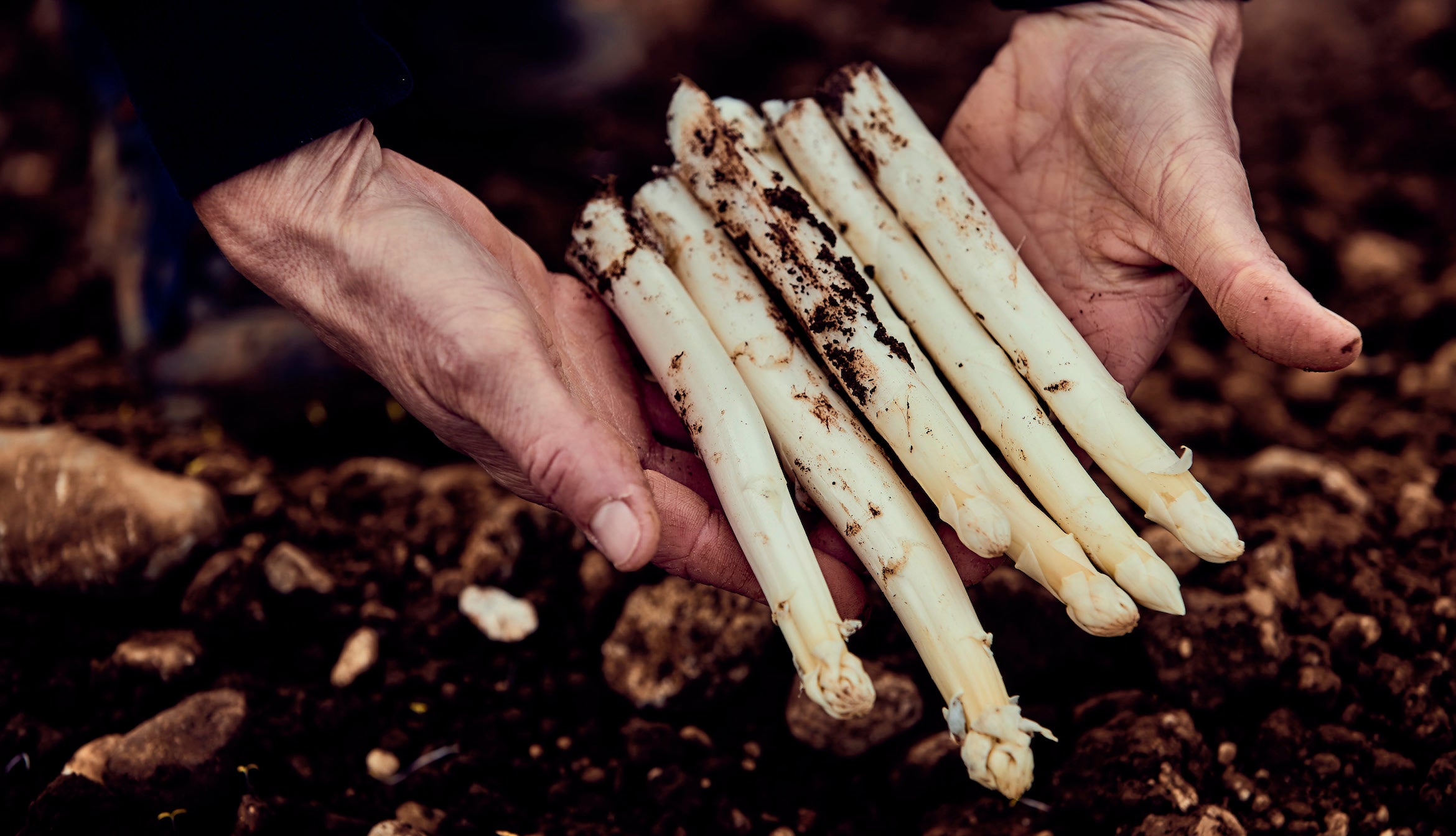
White Asparagus

The book’s photography is both rich and intimate. How did the photo shoots get organized, and how many shoot days do you estimate were done?
We wanted to portray FVG in both a full and whole sense, so we categorized the book (and our shoots) into three manageable sections, namely land (including vineyards, so this is where all the wine action happened), sea, and mountains. With mountains in mind, I should say that this part of the world was already on my Alpine Cooking radar, so discovering more about the Carnic and Julian Alps was a bonus. William Hereford, the photographer we worked with, might know the shooting days involved specifically, but all I can really say is that it was a lot.

The book details a number of regional specialities, and one I landed on is frico, which you write is considered the pizza of Friuli. What does that mean?
We say in the book that frico is to Friuli what pizza is to Naples. What we mean is that it’s an essential regional dish and the best one on offer. Frico is something that comes with a lot of opinions. At Frasca in Boulder, they do frico caldo and frico croccante. Both are ways to use up the scraps from Montasio, the FVG cheese. Hot, it’s served over the top of potatoes, almost like a rösti. Cold, they’re crispy baked pieces of cheese. Either way, frico is dangerously good, and I don’t trust myself around any of it!

What’s another little-known dish from the region that more people should know about?
I’ll give you the three dishes I always serve at a dinner in order. First, Rosa di Gorizia, apple, and horseradish salad. It doesn’t matter how you make this combination work, but these are three quintessential FVG products. Rosa di Gorizia (radicchio) are not always easy to find, so consult with your most esteemed and friendly grocer.

Tagliolini al Portonat knocks it out of the park every time. It’s so easy, yet so impressive for any guest. Essentially, it’s pasta with cream and poppy seeds, all wrapped in the thinnest strands of prosciutto di San Daniele you can get your hands on.

Gubana is a Friuliano sweet roll/cake filled with raisins soaked in Amaro Nonino (also Friulian!) for up to 24 hours. Its big and it’s boozy.

You were living in Italy when COVID-19 broke. How are you doing?
I was living in Italy up until March 12, at which point I decided to fly back to Montreal and ride out the storm. I was in deep solo isolation for a solid three months. When I left Milano, there was no one on the streets and strict curfews. Upon returning in July, it feels much less quiet and very safe. The summer is quiet in Milan, as many are in the mountains or at the sea. I’m just so thankful to be here that I barely want to leave my neighborhood.

Let’s talk about your previous book, Alpine Cooking, which is an amazing work. We talked about this on the TASTE Podcast a bit as well. Why is mountain food so misunderstood? What does your book do to smash that?
Thank you. My book reminds readers that the mountains are for everyone. That’s my pitch and my honest thought and feeling. Those who live in the mountains are the OG isolationists! It takes incredible will to not only survive but to thrive at altitude. It also means the blinders are on, in some ways, to the rest of the world—which leads to incredible clarity, a sort of purity, and also creativity.

What are you currently working on—bookwise, or anything else you want to share?
There are two things I can mention here, both of which I’m super excited about. First, in November, I’ll be hosting an Audible Original podcast called “Field Guide to Canada.” The first season is ten episodes; a cross-country version of “my” Canada complete with incredible characters, locations, and food, of course. Canada is so massive, and I often think about what my ultimate itinerary would be if I were driving coast to coast. This show highlights why I love certain locations and, moreover, shines a light on some really inspiring Canadians. It’s unique, and I’m loving the audio element and working with a team. I don’t think there’s anything else quite like it out there. But bookwise, I’m happy to announce my next book will be called “Alta Italia” and is all about Northern Italy. It’s the same vibe as Alpine (same team, same photographer: Christina Holmes). It’s a travelogue turned up to 11. Even though I’ve just started writing –it’s the reason I flew back to Milan as soon as I could—I think it’s going to be an incredible couple years.

This interview has been edited and condensed for clarity.

Woven Lasagna

5 RECIPES WE LOVE FROM FRIULI FOOD AND WINE

BUCKWHEAT BLECS WITH CHICKEN AND ROSEMARY
The authors joke that the alternate title for the book is “Weird Pasta Shapes,” with buckwheat “blecs” being one of them. But when done with this simple and robust braised chicken, what a winner it is.

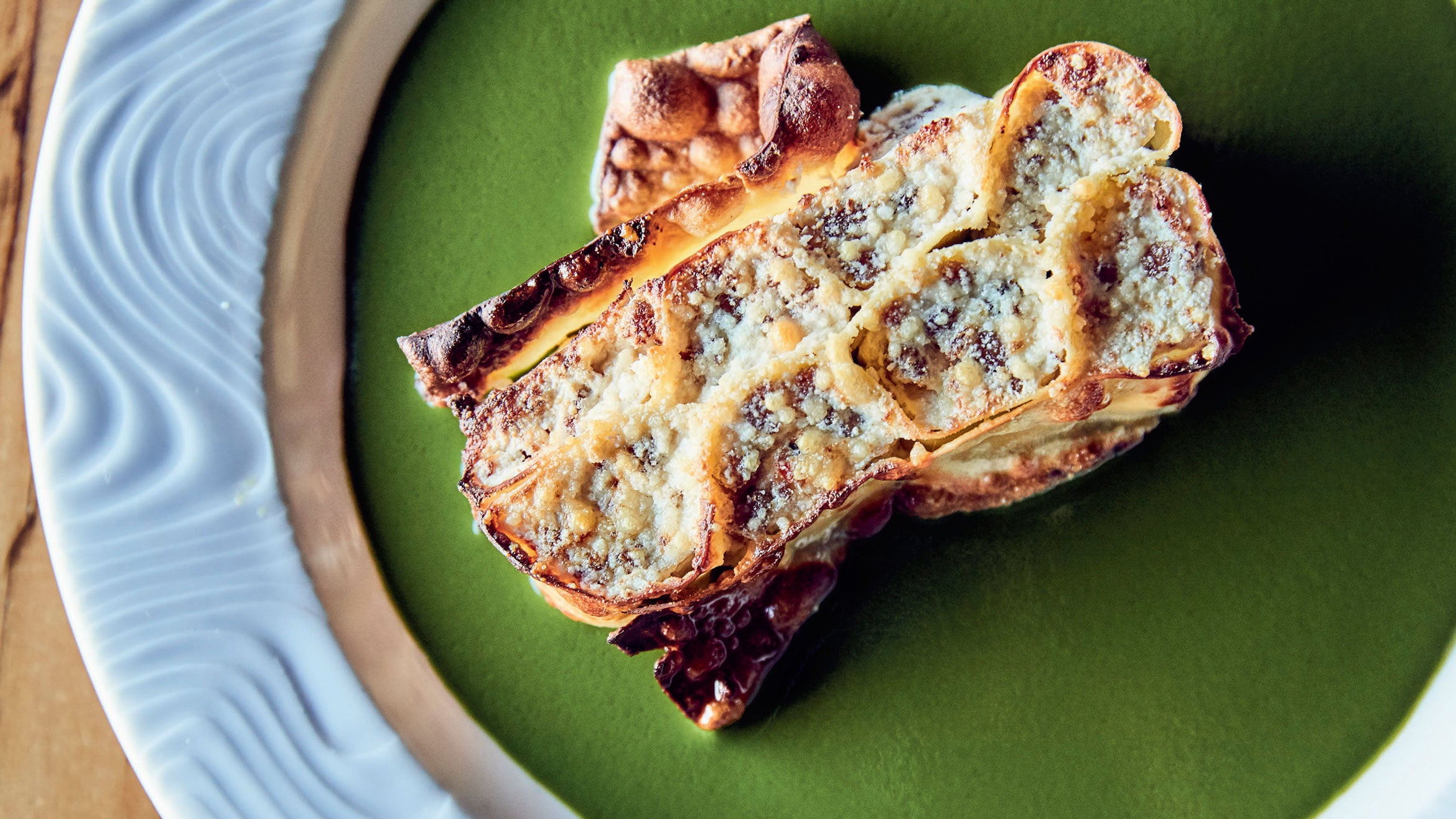
WOVEN LASAGNA
We know lasagna at TASTE—we wrote a book about it in 2019—and we will still scour this planet for new and creative versions. Here we are.

ROASTED PORK AND PEACHES
In summer or early fall, this is a simple and extremely wise way to cook a hunk of pork (in this case, a boneless pork loin). The authors believe that the light meat goes well with peaches (or persimmon in other months). We agree!

BAKED SPAGHETTI WITH MUSHROOMS IN PARCHMENT
It’s a baked gift from the spaghetti gods, and it’s probably our new favorite way to serve this classic pasta.

CHOCOLATE SALAMI
This is a Frasca original, and it was created by the restaurant’s pastry chef, Alberto Hernandez. Using really good chocolate and pistachios is pretty essential here, but overall, the dramatic dish is easier to make than you think.

OTHER BOOKS TO BUY, READ, AND COOK FROM

Random House has put together a free summer sampler of recipes from Ina Garten, Danny Trejo, Toni Tipton-Martin, Bryant Terry, Aaron Franklin, and more.

Last week, we talked to Esteban Castillo, the author of the new technicolor, Jell-O-filled, very exciting book Chicano Eats.

Rose Levy Beranbaum is one of the most renowned authors when it comes to pies, pastries, and cakes. In Rose’s Ice Cream Bliss, she takes on the world of frozen treats.

If you’re looking forward to cooling down with fall weather in a few months, get ready for all of the cooking that will go along with it, with Nigel Slater’s Greenfeast: Autumn, Winter.

A classic in our libraries this summer is Andrea Nguyen’s Vietnamese Food Any Day—especially when there’s extra eggplant around to bathe in smoky green onion oil, or a grill on hand for skewers of steak to top vermicelli bowls.

And hey, maybe you would like to pick up the book I wrote with Deuki Hong: Koreatown: A Cookbook.

[Close]