LATEST ARTICLES

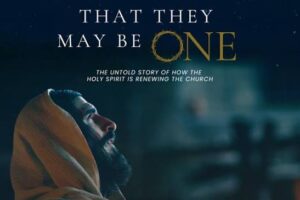
That They May Be One: A Christian Movie About Unity and the Power of Faith

That They May Be One is a Christian movie that highlights the importance of unity among believers and the need for Christians to stand together in faith. Inspired by the biblical call for unity in John 17:21, the title reflects Jesus Christ’s prayer that His followers would be one, just as He and the Father are one. The movie draws attention to the importance of love, understanding and togetherness within the body of Christ.

The film explores themes that challenge Christians to look beyond their differences, disagreements and personal interests and embrace the values that unite them in Christ. It reminds viewers that division can weaken the Church’s witness, while genuine love, forgiveness and cooperation can strengthen Christian communities and their impact on the world. Through its message, the movie encourages believers to prioritise their shared faith over the things that separate them.

Ultimately, That They May Be One serves as a reminder that Christian unity is more than simply belonging to the same church or denomination; it is about sharing the love of Christ and reflecting His character in our relationships with others. It encourages Christians everywhere to pursue peace, extend grace and work together in fulfilling God’s purpose. It is a timely message for the Church, reminding believers of Christ’s desire for His people to remain united in faith, love and purpose.

Four Christians in China Face Trial Over Sunday School Activities

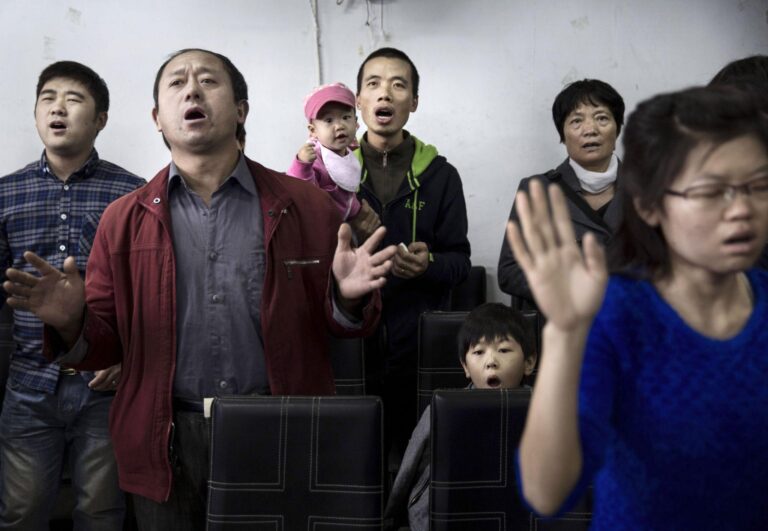
Four Christians in China’s southwestern Guizhou province are facing trial in a case connected to their involvement in church activities, including children’s Sunday school classes. The four men, identified as Wei Yongqiang, He Jinbao, Long Jian and Cheng Yongbing, are accused in a case that supporters say criminalises ordinary Christian religious activities. The development has raised fresh concerns about the treatment of independent Christian groups in China.

According to reports published on November 12, supporters of the four Christians have raised concerns about difficulties their defence lawyers are experiencing in obtaining copies of the case files. The situation has created uncertainty for the families and church communities following the legal proceedings. The case is being closely watched by religious freedom advocates who believe it could have wider implications for independent churches.

China has maintained strict oversight of religious organisations, particularly churches that operate outside officially recognised religious structures. Christian groups have repeatedly reported restrictions on worship, religious education and church leadership. The trial has therefore renewed concerns about the freedom of Christians to organise and practise their faith without government interference.


Christians March Across Indian Diocese Demanding Repeal of Anti-Conversion Law

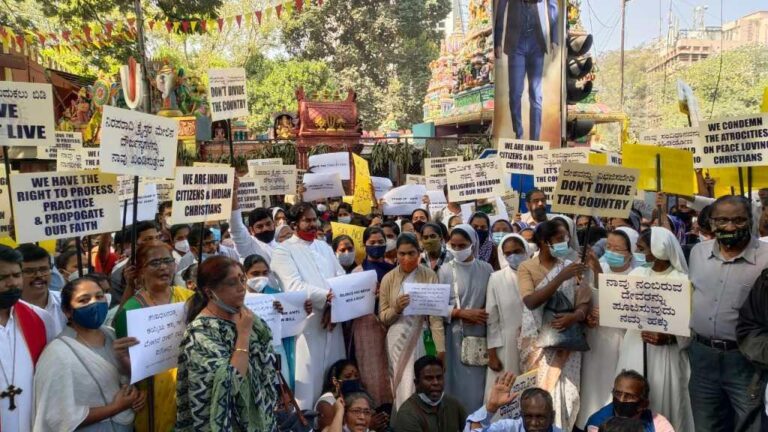
Christians across the Diocese of Belgaum in Karnataka, India, have staged coordinated peaceful demonstrations calling for the repeal of the state’s controversial anti-conversion legislation. The protests, which took place on November 12, brought together Christians from different denominations, churches and organisations. Participants called for justice, equality and the protection of their constitutional right to religious freedom.

In Bagalkot, demonstrators presented a memorandum to the Deputy Commissioner, Sangappa, requesting that their concerns be forwarded to the Karnataka government. The protesters expressed concerns that the anti-conversion legislation could be used to restrict religious activities and create difficulties for Christian communities practising and sharing their faith.

The demonstrations reflect growing concern among Christian leaders and communities about legislation they believe threatens religious freedom. By choosing peaceful marches and constitutional engagement, the participants are seeking government intervention and greater protection for the rights of religious minorities across the state.


Al-Shabaab Militants Kill Five Christians in Kenya

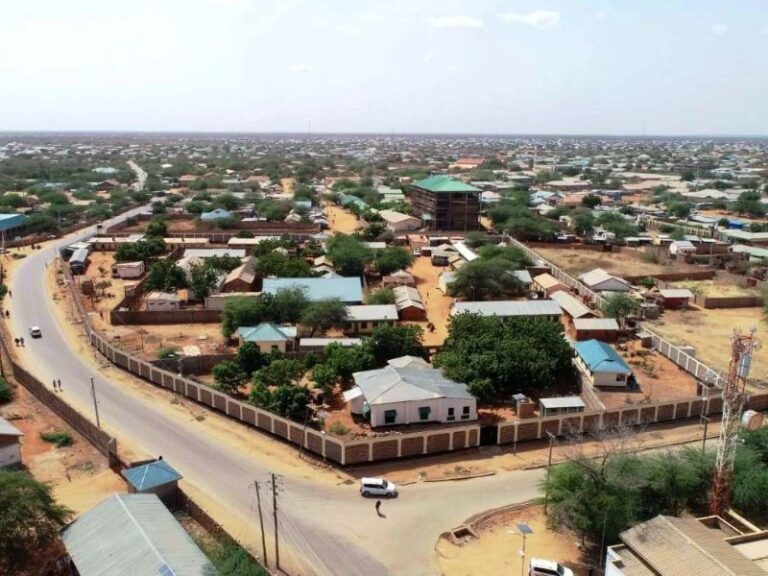
Five Christian construction workers have reportedly been killed in an attack by suspected Al-Shabaab militants in Mandera County, northeastern Kenya. According to reports, the incident occurred on November 10 along the Mandera-Arabia road in the Hagarsu area. The workers were reportedly carrying out construction-related inspections when the militants ambushed them.

The attack has renewed concerns about the safety of Christian workers and other civilians in northeastern Kenya, particularly communities living close to the country’s border with Somalia. Al-Shabaab, a Somalia-based extremist group, has repeatedly carried out attacks in the region, often targeting people it considers non-Muslims or supporters of the Kenyan government.

The incident highlights the continuing threat of religiously motivated violence in parts of East Africa. It also raises fresh concerns about the protection of vulnerable Christian communities and workers who continue to live and carry out their daily activities in areas affected by militant attacks.


Irish Religious Sisters Share Missionary Experiences Through New Film Highlighting Faith and Compassion

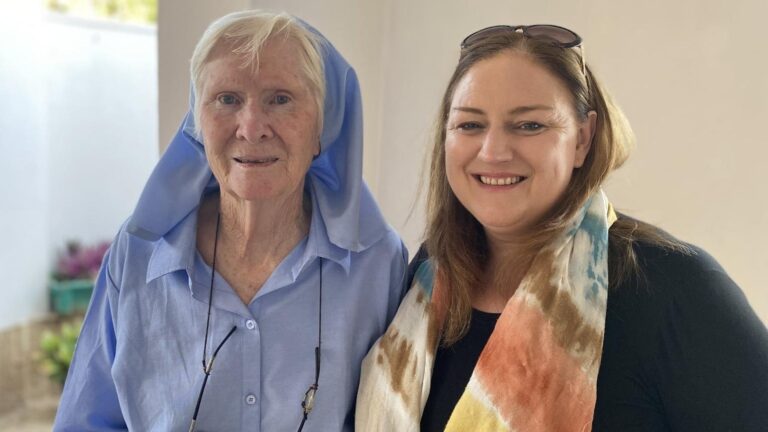
Four Irish religious sisters from different congregations are sharing their experiences of missionary service through a new short film highlighting the role of faith, compassion and commitment in serving vulnerable communities. The film, titled Lives of Mission, Lives of Hope!, was produced by Colm Flynn and commissioned by the Embassy of Ireland to the Holy See, with support from Ireland’s Department of Foreign Affairs and Trade. In a report published on 11 November, Vatican News explored the experiences of the sisters and their contributions to communities facing poverty, limited access to education and inadequate healthcare.

One of the sisters featured is Sr. Colette Keane of the Order of Preachers, whose missionary work included establishing schools and supporting women in Liberia and Tanzania. Her experience in Liberia was marked by a violent attack in which she sustained serious injuries to one eye and one ear. Despite the difficulties, she remained committed to her vocation. Her later work in Tanzania included establishing women’s groups across 35 villages, helping women recognise their value and develop their potential. Other sisters featured in the film also share experiences of responding to the needs of communities through healthcare, education and pastoral service.

The film also highlights how missionary service continues to evolve as communities face changing social and economic challenges. For the sisters, mission is not simply about travelling to distant countries but about recognising the dignity of every individual and responding to human needs with practical compassion. The report also highlights Sr. Mary Teresa Barron, Superior General of the Missionary Sisters of Our Lady of Apostles, who has been appointed by Pope Leo XIV as Adjunct Secretary of the Dicastery for Evangelization and President of the Pontifical Mission Societies, with her new responsibilities scheduled to begin on 4 January 2027.

Red Week Campaign Calls Global Churches to Stand with Persecuted Christians

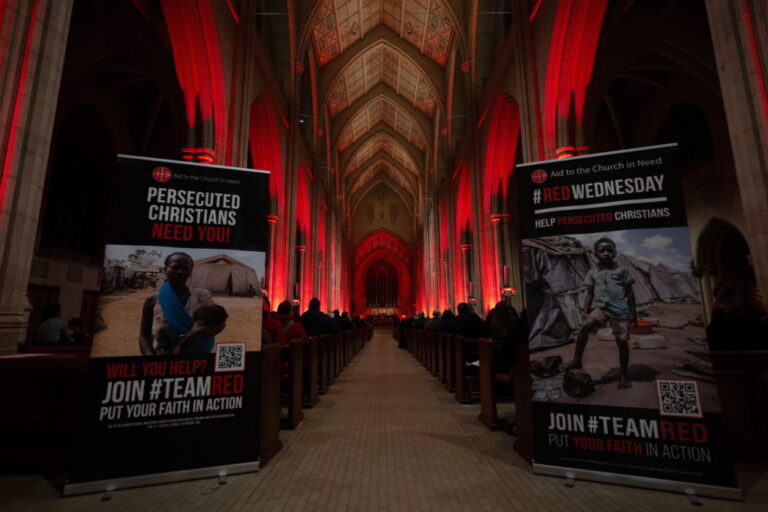
The international Catholic charity Aid to the Church in Need (ACN) is encouraging churches, schools, families and Christian communities to participate in its forthcoming Red Week campaign, an international initiative highlighting the persecution of Christians and the importance of religious freedom. In a report published on 11 November, UCA News highlighted the campaign’s preparations ahead of its scheduled observance from 15 to 22 November. The initiative is designed to bring greater attention to believers who experience discrimination, violence, imprisonment and restrictions because of their faith.

The campaign comes following the release of ACN’s latest report, Persecuted and Forgotten? A Report on Christians Oppressed for Their Faith 2024–26. The research examined conditions in 18 countries and found that the situation had deteriorated in 55 per cent of the countries studied. According to ACN, religious freedom is seriously violated in 62 of the world’s 196 countries, with approximately 220 million Christians directly exposed to persecution. These figures highlight the continuing difficulties facing Christian communities in several parts of the world.

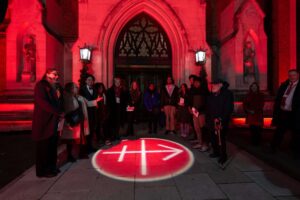
Through Red Week, participating communities are encouraged to organise prayer gatherings, awareness programmes and other activities that draw attention to religious persecution. Red-themed church lighting and special prayer services are among the ways communities can demonstrate solidarity with persecuted believers. The campaign also provides an opportunity for Christians to learn about the experiences of those who cannot freely practise their faith and to support efforts to defend freedom of religion around the world.

Pope Leo XIV Arrives in Peru for the Final Leg of His South American Apostolic Journey

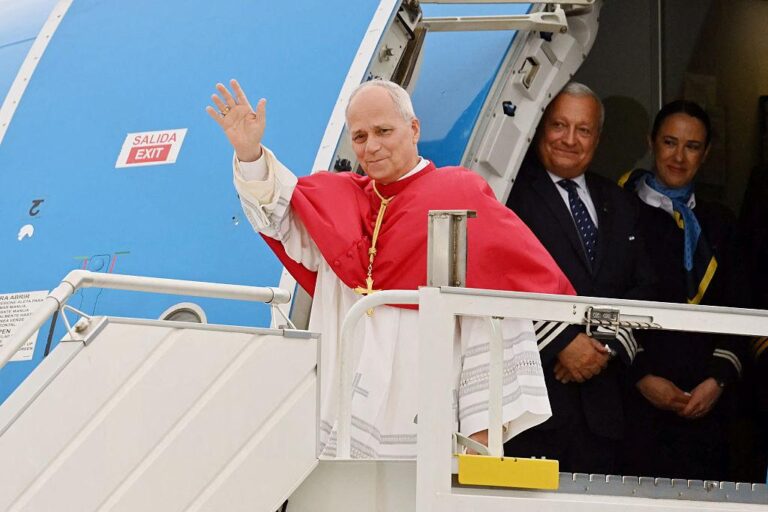
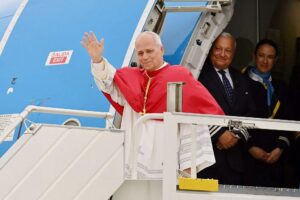
Pope Leo XIV arrived in Lima, Peru, on Wednesday, 11 November, marking the beginning of the final stage of his apostolic journey across South America. His arrival at Callao Air Base followed visits to Uruguay and Argentina, bringing him back to a country where he spent many years serving as an Augustinian missionary and later as Bishop of Chiclayo. His return has particular significance because of his longstanding relationship with the Peruvian people and the communities in which he previously carried out his pastoral ministry.

The Pope was welcomed by Peru’s President, Keiko Fujimori, Foreign Minister Carlos Espá and other civil and religious authorities. Two children presented him with flowers, while a choir from Sinfonía por el Perú performed during the reception. He also took time to greet members of the public, including children and people with disabilities. Following the official reception, the Pope proceeded to the Presidential Palace, where he met with the President before addressing government representatives, civil society organisations and members of the diplomatic corps at the Grand National Theatre in Lima.

His return to Peru is expected to be one of the most significant moments of the wider journey, particularly because of his personal connection to the country. His programme includes meetings with the Peruvian bishops, encounters with young people, visits to communities and opportunities to engage with indigenous populations. Beyond the ceremonial aspects of the visit, the journey provides an opportunity for the Pope to address questions of faith, social responsibility, peace and the challenges facing the Peruvian people.


More Than 80 Catholic Theologians Urge US Bishops to Oppose War with Iran

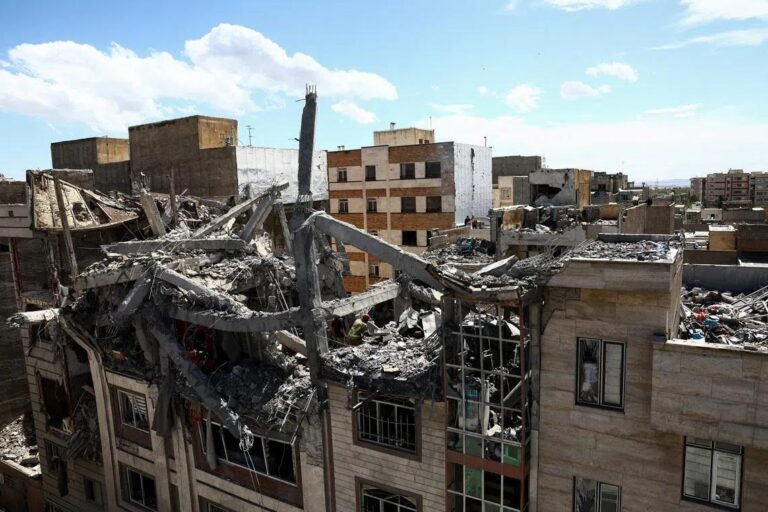
More than 80 Catholic theologians, university educators and other people of faith have called on Catholic bishops in the United States to speak out more strongly against the ongoing US-Israeli war with Iran. The appeal was reported by OSV News on 11 November, shortly before the United States Conference of Catholic Bishops was scheduled to hold its annual fall plenary assembly. The signatories argued that Church leaders have an important moral responsibility to promote peace, oppose further military escalation and provide a clear Christian witness against violence.

The initiative was spearheaded by Kevin Ahern, a professor of religious studies at Manhattan University, and Eli McCarthy, an adjunct lecturer in theology and religious studies at Georgetown University. In an open letter dated 9 November, the group urged the bishops to demonstrate greater clarity, urgency and unity in their opposition to the conflict. The letter included 83 signatories, comprising US-based and international scholars and people of faith. They expressed concern about the humanitarian consequences of the war and the possibility of further escalation across the Middle East.

Among their recommendations, the theologians called on the bishops to encourage political leaders to prioritise diplomacy, humanitarian assistance and peaceful solutions. They also urged Church leaders to oppose renewed military operations against Iran, promote nuclear disarmament and support efforts aimed at reconciliation. The appeal reflects a wider Christian discussion about the responsibility of religious institutions to speak against war and defend human dignity. It also places the principles of nonviolence and peacemaking at the centre of the Church’s response to international conflict.


Swiss Churches Present Christian Ethical Guidelines for Responsible Use of Artificial Intelligence

Christian churches and religious organisations in Switzerland are encouraging a more responsible approach to artificial intelligence through a shared ethical framework centred on human dignity. The World Council of Churches reported on 11 November that Switzerland’s Christian church bodies and umbrella organisations had presented a common vision for the digital future, supported by ten guidelines addressing the responsible use of artificial intelligence. The initiative reflects growing recognition that AI is becoming increasingly influential in society and that religious institutions need to consider its implications for human relationships, communication and community life.

The guidelines, titled Humanity in the Digital Age: Ethical Guidelines for the Responsible Use of Artificial Intelligence: An Ecumenical Christian Perspective, were originally released on 19 October. They address issues including transparency, personal data protection, accountability, environmental sustainability and the preservation of meaningful human relationships. According to Dr Manuel Schmid, who initiated the project and chaired the ecumenical working group, the framework was developed through collaboration between different Christian churches and organisations. The intention is to help church leaders make informed decisions about AI in areas such as administration, education, communication and pastoral care.

An important aspect of the framework is its recognition that artificial intelligence should neither be treated as an uncontrollable threat nor regarded as a solution to every human problem. Instead, the churches emphasise that technology must remain subject to human responsibility and should be developed and used in ways that benefit society. The Christian perspective presented in the guidelines is rooted in the belief that human beings possess dignity, creativity, freedom and responsibility. For churches increasingly exploring digital tools for ministry, the framework offers an opportunity to embrace technological developments while maintaining ethical standards and protecting the people they serve.

Christian Delegates Highlight Urgent Need for Climate Action at COP31 in Türkiye

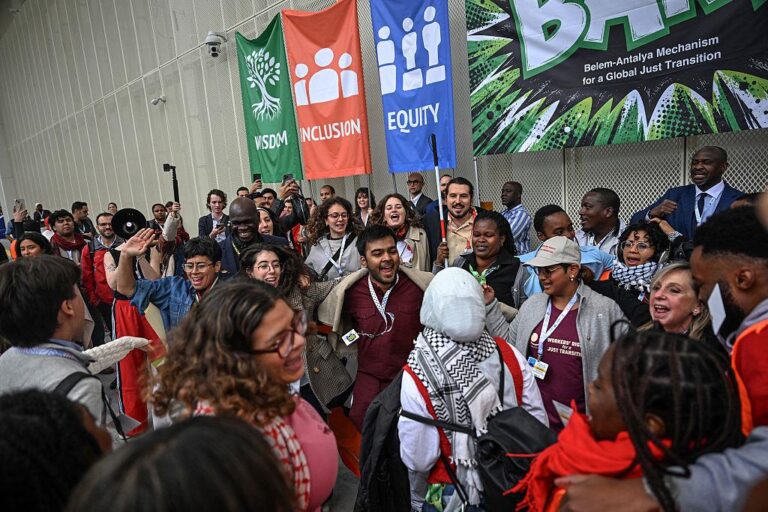
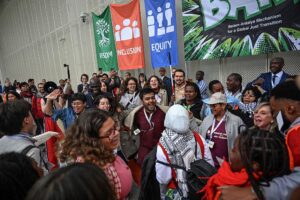
Christian representatives are participating in international climate discussions at COP31 in Antalya, Türkiye, as world leaders and environmental organisations consider the urgent need for stronger action against climate change. In a report published on 11 November, the Presbyterian Church (USA) highlighted the involvement of its delegation at the United Nations climate conference. The gathering brings together representatives from governments, international organisations, environmental groups, indigenous communities and faith-based organisations to discuss practical responses to the global climate crisis.

Among the Christian representatives participating in the discussions is Clare Balsan of the Presbyterian Ministry at the United Nations, alongside other members of the Presbyterian delegation and partner organisations. Their participation reflects the growing involvement of religious institutions in climate advocacy, particularly in discussions concerning environmental protection, the needs of vulnerable communities and the responsibility of governments to implement meaningful climate commitments. The conference also provides an opportunity for faith representatives to engage with other civil society organisations and bring ethical and humanitarian perspectives into international discussions.

The Presbyterian report draws attention to the contrast between increasing scientific warnings about climate change and the challenges of securing sufficient political commitment to address the crisis. It highlights concerns about extreme weather events, international cooperation and the need to translate climate promises into practical action. For Christian organisations, participation in COP31 is also connected to the broader responsibility of caring for creation and protecting communities most affected by environmental degradation. Their presence reinforces the importance of including faith-based voices in conversations about sustainability, climate justice and the future of the planet.