
Donald Trump Discusses Faith, Forgiveness and Immigration Deportations

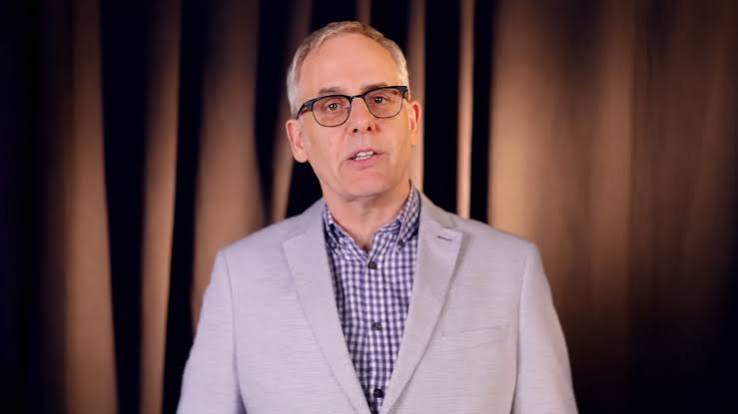
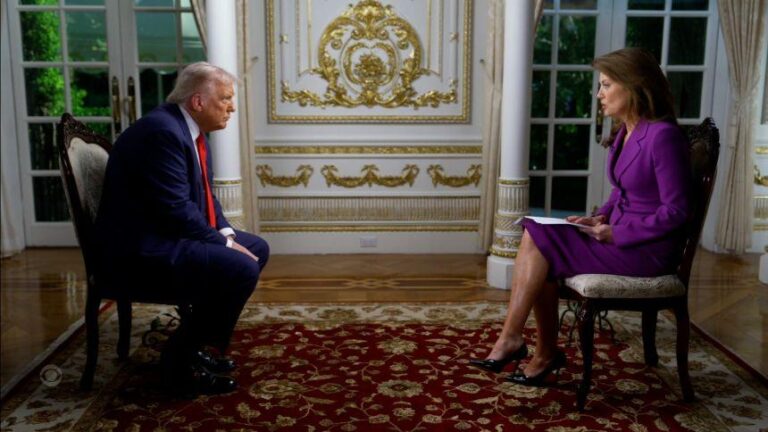
President Donald Trump has sparked renewed discussion about his Christian faith following an interview with Ross Douthat on CBS’s 60 Minutes, which aired on 8 November 2026. During the conversation, Douthat questioned Trump about his understanding of death, eternity and the possibility of going to heaven. Trump described himself as a religious person and said he hoped to enter heaven, adding that he did not want to go to hell. However, when asked whether he could forgive political opponents such as James Comey and Nancy Pelosi, Trump admitted that he probably could not. He maintained that he hated some of his enemies and believed they had treated him unfairly

His comments have attracted criticism and concern among Christian commentators, particularly because forgiveness is a central teaching of Christianity. Al Mohler, president of Southern Baptist Theological Seminary, described Trump’s response as very sad, explaining that genuine forgiveness requires God’s grace and the work of the Holy Spirit in a person’s heart. Mohler also encouraged Christians to pray for the president, emphasising that believers are not inherently better than others simply because they are able to forgive. The discussion has consequently renewed questions about the relationship between political leadership, personal faith and the biblical responsibility to love one’s enemies.

In a separate but equally significant part of the same interview, Trump acknowledged that his administration’s immigration enforcement and deportation policies might have been too tough. Following the Republican Party’s losses in the November 2026 midterm elections, he expressed willingness to work with Democrats on immigration reform, particularly concerning undocumented immigrants who have lived in the United States for years and maintained employment. World Relief President and CEO Myal Greene welcomed the remarks, arguing that deportation policies had harmed families, including people who were lawfully present in the country and children left without the support of their parents. Greene urged political leaders from both parties to pursue reforms that would protect vulnerable families.
Mass Evangelism Milestone in Liberia as 45,000 Students Reportedly Embrace Christianity

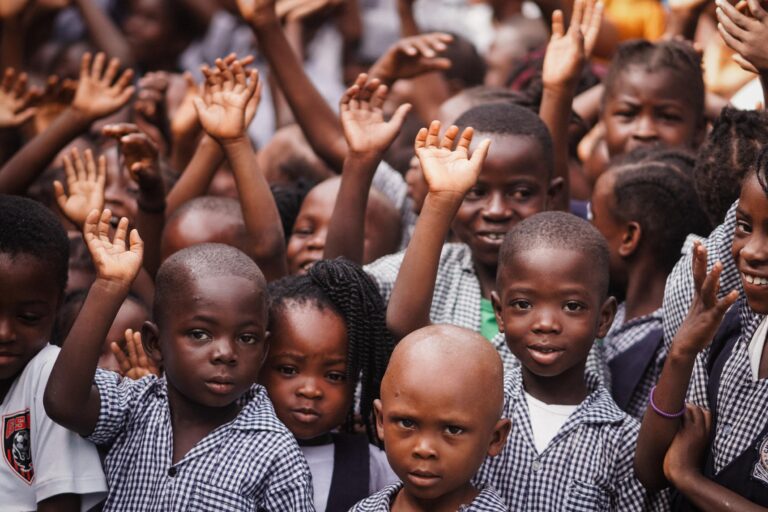
A major evangelism and discipleship initiative in Liberia has reportedly reached an extraordinary milestone, with approximately 45,000 students said to have embraced Christianity through the 2026 outreach efforts. The achievement was announced by The Forge ministry, which has been involved in church-based evangelism programmes designed to reach young people with the message of the Gospel. The reported development highlights the growing efforts of Christian ministries to introduce students to Christianity and encourage spiritual growth among younger generations.

The outreach initiative demonstrates the importance of taking evangelism beyond traditional church settings and engaging young people within their communities and educational environments. Through evangelistic activities and discipleship programmes, ministries seek not only to introduce individuals to the Christian faith but also to help them develop a deeper understanding of biblical teachings. Reaching thousands of students represents a significant reported milestone for the ministry and its local church partners.

The reported 45,000 conversions also draw attention to the importance of follow-up discipleship in sustaining the impact of large-scale evangelism campaigns. Beyond initial decisions to embrace Christianity, continued teaching, mentorship and involvement in local churches can help young believers establish a lasting foundation in their faith. The initiative serves as an encouraging example of the role Christian organisations can play in reaching and nurturing the next generation.


Former Acts 29 CEO Charged with Historical Rape

Stephen Timmis, the former chief executive of the global church-planting network Acts 29, has reportedly been charged alongside his wife, Janet, with multiple counts of rape. The charges relate to alleged incidents dating back approximately 18 years, during the period when Timmis was leading a church in Sheffield, England. The development has attracted attention within Christian circles, particularly because of his previous leadership position in one of the international evangelical church-planting networks.

Timmis was removed from his executive role at Acts 29 in 2020 following allegations of abusive leadership. His latest legal situation has once again brought questions of accountability, leadership conduct and safeguarding within Christian organisations into public discussion. The allegations are serious, and the legal proceedings will be important in establishing the facts and determining the outcome of the case.

The development highlights the importance of transparency, responsible leadership and appropriate safeguarding measures within churches and Christian ministries. Religious leaders are entrusted with significant responsibility and influence, making accountability essential to maintaining the trust of congregations and the wider Christian community. As the legal process continues, it is important to distinguish between allegations and established findings while allowing the judicial system to address the charges.

Three Students Killed in Myanmar Bible School Airstrike

A devastating attack on a Christian Bible school in Myanmar’s Karen State has reportedly left three students dead and six others injured. According to a Christian advocacy group, the country’s military carried out an air and drone strike targeting the institution. The incident has raised serious concerns about the safety of Christian communities and educational institutions operating in areas affected by ongoing conflict.

The reported attack has drawn condemnation and renewed international attention to the challenges faced by religious minorities in Myanmar. Bible schools and other Christian institutions play an important role in educating young believers, preparing future church leaders and strengthening local congregations. The loss of students in such an attack is particularly heartbreaking, as it highlights the vulnerability of young people who should be able to pursue their education and faith without fear of violence.

Christian organisations and human rights advocates continue to call for the protection of civilians, religious institutions and educational facilities in conflict-affected regions. The incident also serves as a reminder of the difficult circumstances experienced by many Christian communities around the world. Prayers and support remain important for the affected families, injured students and communities mourning those who lost their lives.


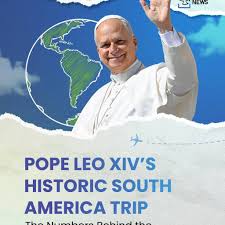
Pope Leo XIV Begins Historic South American Tour

Pope Leo XIV has embarked on a highly anticipated apostolic journey to South America, marking a significant moment in his papacy and the Catholic Church’s engagement with the region. The visit, described as a historic homecoming, has attracted considerable attention from Catholic communities and religious observers. Departing from Rome on Friday, the Pope began a series of engagements aimed at strengthening the Church’s relationship with local communities and encouraging greater unity among Christians across the continent.

During his visit to Uruguay, Pope Leo XIV reportedly spent time interacting with local parishioners and participating in religious engagements. He also delivered messages emphasising the importance of unity, faith and cooperation among communities. One of the key highlights of his visit was his call for prayer and fasting for vocations, encouraging the faithful to pray for more individuals willing to dedicate their lives to priesthood and religious service.

The Pope’s South American journey underscores the importance of pastoral leadership, spiritual renewal and strengthening the Catholic faith across the region. His engagements are expected to provide opportunities for dialogue, encouragement and reflection among local Christian communities. The visit also highlights the continuing role of the Church in promoting peace, unity and spiritual development.

Salvation Ministries Dedicates 120,000-Seat Hand of God Cathedral in Port Harcourt

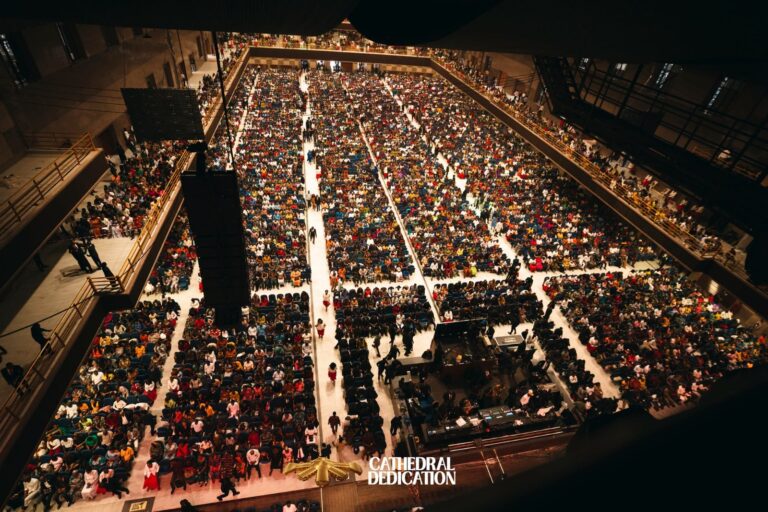
Salvation Ministries, led by its Founder and General Overseer, Pastor David Ibiyeomie, has officially dedicated its new worship centre, the Hand of God Cathedral, in Igwuruta, along the Port Harcourt International Airport Road, Rivers State. The dedication ceremony took place on Friday, 6 November 2026, with Bishop David Oyedepo, Founder of Living Faith Church Worldwide, officiating at the historic occasion. The cathedral, which serves as the ministry’s new global headquarters, is reported to have a seating capacity of 120,000 worshippers and covers approximately 56,130 square metres. Its dedication marks a major milestone in the history of Salvation Ministries and the completion of a project that has been years in the making.

Construction of the Hand of God Cathedral began in 2010, with the original plan designed to accommodate approximately 40,000 people. The project was subsequently expanded to its reported capacity of 120,000 worshippers. Its distinctive architectural design features a central dome and five wings shaped like the fingers of an open hand, giving rise to its name, the “Hand of God Cathedral”. Speaking during the dedication, Pastor Ibiyeomie disclosed that the project was completed without loans or foreign financial assistance. He also recalled the challenges surrounding the land on which the cathedral was built and expressed gratitude for the completion of the project. The reported seating capacity would place the cathedral among the largest church auditoriums in the world, although the figure has not been independently verified.

The ceremony attracted several prominent Christian leaders and guests, including Bishop David Oyedepo and his wife, Faith; Pastor Paul Enenche and his wife, Becky; Bishop Mike Okonkwo; Archbishop Wale Oke; Bishop Feb Idahosa; Pastor Jerry Eze; Pastor Korede Komaiya; and other ministers and dignitaries. During the service, Bishop Oyedepo prayed that the cathedral would remain a place dedicated to genuine worship and the work of God. The ministry is expected to hold its first Sunday service at the new cathedral on 8 November 2026. The dedication represents an important chapter in the growth of Salvation Ministries, which was founded in Port Harcourt in 1997, and provides a new centre for its worship services and ministry activities.

ReadyUK Issues Emergency Preparedness Warning, Urging Churches to Prepare for Severe Weather and Security Risks

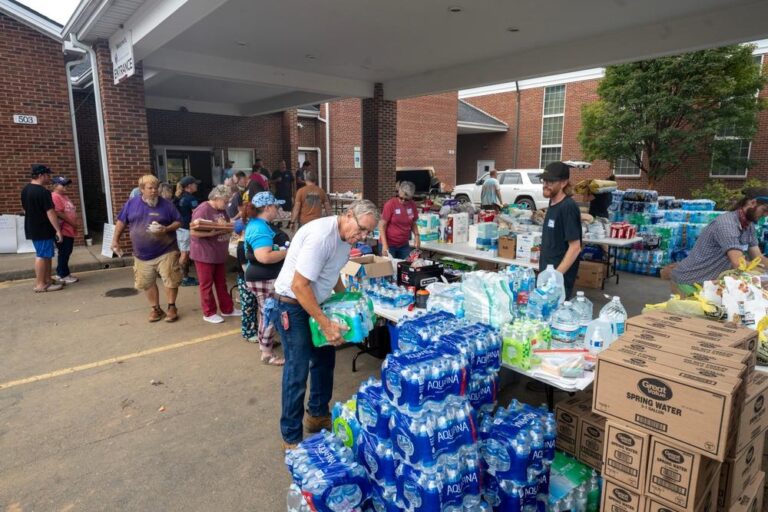
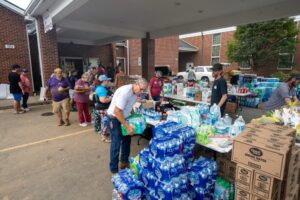
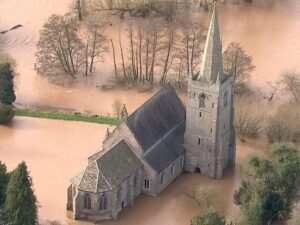
The Christian Emergency Network ReadyUK has issued a new resilience briefing encouraging churches across the United Kingdom to strengthen their emergency preparedness arrangements in response to potential threats, including severe flooding and terrorist attacks. The guidance, reported by the Religion Media Centre on 6 November 2026, urges church leaders to review their existing safety procedures and ensure that their buildings, leadership teams and congregations are prepared for unexpected emergencies. One of the central recommendations is that churches should maintain essential supplies capable of supporting people for up to 72 hours if normal services become disrupted. These include food, drinking water, lighting, warmth, communication equipment, money, medical supplies and access to important documents. The guidance also encourages churches to appoint a designated emergency and resilience lead who will coordinate preparations and help ensure that responsibilities are clearly understood.

The briefing further advises church leaders to maintain their buildings, secure important paper records and keys, communicate relevant government safety advice to congregations and establish reliable systems for contacting members during emergencies. Particular attention is given to vulnerable people who may require additional assistance, including older adults, individuals with disabilities and those who live alone. Churches frequently serve as important community centres, providing food assistance, pastoral care, youth activities and other support services. Consequently, emergencies such as flooding, severe storms, power outages and security incidents can affect not only church buildings but also the people who depend on these services. Having clear emergency procedures could help congregations respond more effectively, protect essential resources and provide practical assistance when normal community services are disrupted. The organisation’s recommendations also reflect wider concerns about natural disasters and technological disruptions, including cyber-attacks.

ReadyUK’s initiative highlights the importance of preparedness as part of responsible church leadership and community service. Churches may be called upon to assist individuals and families during periods of disruption, but they must also ensure that their own facilities and volunteers are adequately prepared. Appointing emergency coordinators, maintaining essential supplies and developing communication plans can help congregations respond more effectively when unexpected situations arise. The 72-hour recommendation is consistent with wider UK government emergency preparedness advice, which encourages households and communities to consider how they would manage if essential services such as electricity, water, transport and communications were temporarily unavailable. The guidance is not intended to create panic but to encourage sensible preparation. By taking these practical steps, churches can strengthen their ability to protect worshippers, support vulnerable members and continue serving their communities during difficult circumstances.

Church of England’s Abuse Redress Scheme Criticised as ‘Not Fit for Purpose’ by Survivors’ Representatives

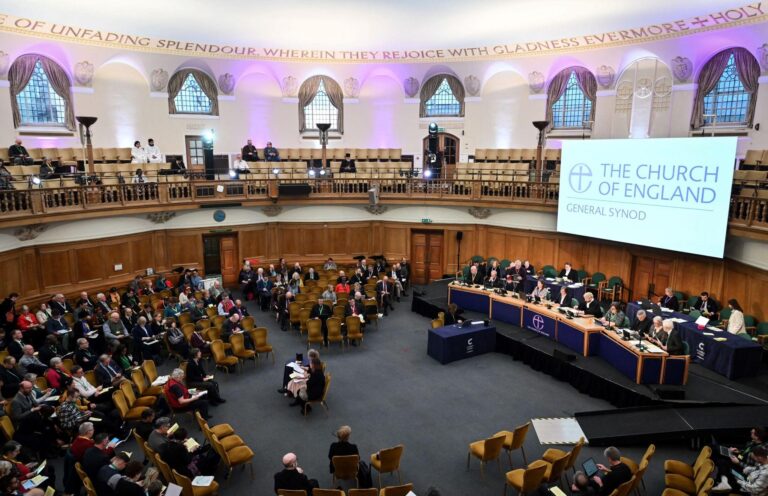
The Church of England’s proposed abuse redress scheme has come under serious criticism from survivors’ representatives, with legal experts warning that its current arrangements could prevent some victims from receiving adequate recognition and compensation. The scheme, which is expected to launch towards the end of 2026, is intended to provide financial compensation and other forms of support to individuals who experienced abuse connected to the Church. However, Malcolm Johnson, head of the abuse team at Lime Solicitors, which represents survivors, has described the proposed framework as “not fit for purpose”. His concerns include restrictive eligibility requirements and what he considers insufficient consultation with survivors. The scheme is expected to offer compensation ranging from £5,000 to £667,000, depending on the nature and circumstances of the abuse. It is intended to cover sexual, physical, spiritual and financial abuse, as well as neglect and other forms of maltreatment.

The proposed initiative follows years of scrutiny over safeguarding failures within the Church of England, particularly after the Independent Inquiry into Child Sexual Abuse identified serious shortcomings in the Church’s protection of children and its response to allegations of abuse. The redress scheme is intended to acknowledge the harm suffered by survivors and provide a structured process through which eligible individuals can receive financial and non-financial support. This may include compensation, an apology and access to therapy. However, the latest criticism has intensified following the withdrawal of support by five members of the Church’s own Survivor Advisory Group. The group was established to ensure that survivors’ experiences and recommendations contributed to the development of the scheme. Their withdrawal has raised questions about whether the consultation process and proposed compensation arrangements adequately reflect the needs of those affected. For many survivors, the issue is not simply about receiving money but also about being believed, acknowledged and treated with dignity after years of suffering.

The controversy presents another significant challenge for the Church of England as it seeks to rebuild confidence in its safeguarding structures and demonstrate accountability for past failures. Legal representatives argue that a redress scheme must be accessible and fair, particularly for individuals whose experiences may not fit neatly into restrictive eligibility categories. The Church has maintained that survivors have contributed extensively to the scheme’s development over several years, influencing numerous policy decisions. Its official information confirms that the scheme is not yet open and that further legislative and administrative preparations are required before applications can begin. The latest criticism is likely to increase pressure on church authorities to address concerns raised by survivors and their representatives before the scheme launches. The issue also serves as a wider reminder to religious organisations that protecting vulnerable people, responding properly to abuse and providing meaningful support to survivors must remain central responsibilities of Christian leadership.

Tanzanian Government Reportedly Pressures Churches to Promote Tax Policies

Christian pastors in Tanzania are reportedly facing increasing government pressure to use their church platforms to encourage citizens to support and comply with official tax policies, raising concerns about religious independence and the relationship between churches and government authorities. According to a report published by Christianity Today on 5 November 2026, the Tanzania Revenue Authority has been engaging religious leaders to promote tax compliance following the introduction of new tax legislation. The government reportedly believes that pastors and other religious leaders can help communicate the importance of paying taxes because of their influence within local communities. However, some church leaders are uncomfortable with the expectation that government policies should become part of their preaching and church activities. They argue that although citizens have a responsibility to pay taxes, churches must retain the freedom to determine their own messages and address issues affecting society without inappropriate government interference.

The growing tension is connected to political developments surrounding Tanzania’s October 2025 general elections, which were followed by widespread protests and concerns about electoral fairness. The Christianity Today report describes how demonstrations demanding electoral reforms were met with a severe government response, including a five-day internet shutdown and curfews. Simon Patilo, pastor of Dodoma Reformed Baptist Church, recounted hearing gunshots near his home and described the difficulties families experienced during the unrest. He also said that security forces killed 197 protesters across the country, a figure attributed in the report to BBC reporting. Patilo explained that churches had previously called for laws that would guarantee free and fair elections, but the government’s response reportedly damaged relations between religious leaders and state authorities. The report also discusses the deregistration of Glory of Christ Church in Dar es Salaam in June 2025 and the arrest of Lutheran church leader Eleth Mtaita in October of the same year, developments that have contributed to concerns about the treatment of religious leaders who criticise government policies.

The situation has created a difficult position for Christian leaders, who must balance their responsibility to preach the Gospel with their desire to speak about issues affecting their communities. Some pastors have chosen to avoid political discussions to prevent divisions within their congregations, while others believe the Church must retain the freedom to address injustice, political accountability and human rights. The controversy also raises wider questions about the separation of religious institutions from government influence. Churches play important roles in education, healthcare, humanitarian assistance and community development, making their independence particularly significant. Although governments can legitimately encourage citizens to fulfil their tax obligations, religious leaders should be able to exercise their responsibilities without being compelled to promote particular political positions. The developments have renewed concerns about religious freedom in Tanzania and the ability of Christian institutions to maintain their independence while engaging constructively with public authorities.

Conceivable

Inspired by true events, Conceivable is an independent PG-13 drama that tells a deeply moving story about faith, family, unexpected circumstances, and the power of grace. The film follows Brielle Burns (played by Jana Lee Hamblin), a respected 45-year-old Christian ministry leader, devoted wife, and mother whose seemingly settled life takes an unexpected turn when she discovers that she is pregnant. The news leaves her overwhelmed with questions and uncertainty, forcing her to confront emotions and circumstances she never imagined she would face at this stage of her life.

As Brielle struggles to process the pregnancy, she must also navigate the reactions of her husband and family, the expectations placed upon her as a Christian leader, and the judgment of members of her church community. Accustomed to guiding others through difficult situations, she now finds herself in need of understanding, compassion, and support. The situation challenges her relationships and places her faith under pressure as she tries to reconcile her personal struggles with the public image others have of her.

Through Brielle’s journey, Conceivable explores the complexities of unexpected pregnancy, the weight of societal and religious expectations, and the difference between judgment and genuine Christian compassion. It raises important questions about responsibility, forgiveness, acceptance, and what it truly means to extend grace to others. Ultimately, the film reminds viewers that even those who appear strong in faith can face difficult and uncertain seasons, and that compassion and understanding should always take precedence over condemnation.