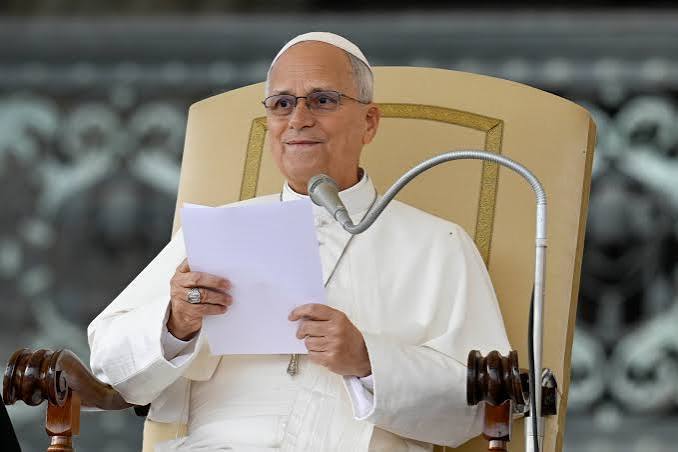
Pope Leo XIV has urged Catholics to develop a mature relationship between their Christian faith and the culture in which they live, cautioning against approaching the modern world with hostility or isolation. His message emphasised that faith should engage with contemporary society and contribute positively to human development, education and intellectual life.
The Pope delivered the message during his Wednesday General Audience in St. Peter’s Square on 28 October 2026. Continuing his catechesis on the documents of the Second Vatican Council, he focused on Gaudium et Spes, the Pastoral Constitution on the Church in the Modern World, particularly its teaching on the relationship between faith and culture.
In his address, Pope Leo explained that the Church has long supported education and cultural development through schools and other institutions that promote human, intellectual and spiritual formation. He noted that the growth of knowledge raises important questions that Christians should be prepared to consider thoughtfully while remaining rooted in their faith.
The Pope stressed that scientific knowledge and intellectual development should go hand in hand with a deeper understanding of Christian belief. Rather than treating modern culture as something to oppose automatically, Catholics are encouraged to understand the ideas, experiences and circumstances that shape the lives of people around them. Such engagement, he indicated, can help believers communicate the Gospel more effectively and credibly.
His teaching also reflected the importance of the Incarnation in understanding the relationship between Christianity and culture. Since the Word became flesh, faith is not meant to remain detached from everyday human experience. Instead, it should influence how people live, serve others, understand the world and contribute to their communities.
Pope Leo’s message offers an important reminder for Christians navigating a rapidly changing society. It encourages believers to combine a firm commitment to their faith with a willingness to learn, think critically and engage respectfully with others. By doing so, Christians can bear witness to their beliefs without withdrawing from the wider world or treating cultural differences as an automatic source of conflict.