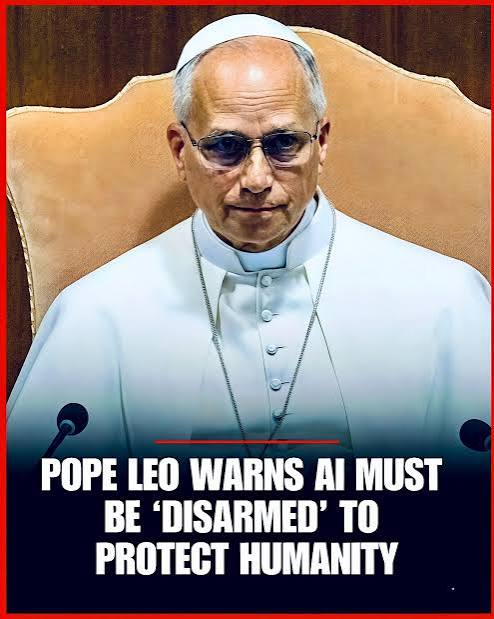
The United States Conference of Catholic Bishops (USCCB) has warned that the rapid development of artificial intelligence could create new risks for religious freedom, particularly if emerging technologies are used to monitor, discriminate against or persecute religious communities.
In a statement issued ahead of International Religious Freedom Day on 27 October 2026, church leaders highlighted the potential for artificial intelligence and other digital tools to expand surveillance and intensify existing forms of religious discrimination. They stressed that human dignity must remain central to decisions about how these technologies are developed and used.
Artificial intelligence is increasingly being applied in areas such as communications, security, data analysis and public administration. While these tools can provide significant benefits, their misuse may allow governments or other organisations to collect and analyse information about individuals on a much larger scale. Where adequate safeguards are absent, such capabilities could be used to identify people based on their beliefs, monitor religious gatherings or restrict the activities of faith communities.
The bishops expressed concern that technology could make it easier to carry out discrimination through automated systems. If AI tools are used irresponsibly, decisions affecting individuals or communities could be influenced by biased data, unfair classifications or inadequate oversight. Religious minorities and people living under restrictive governments may be particularly vulnerable where there are few effective protections for freedom of belief.
The USCCB called for cooperation between governments, religious leaders, technology companies and other stakeholders to ensure that digital tools respect human rights and religious liberty. Its message emphasised that technological progress should not come at the expense of the dignity and freedom of individuals.
The bishops have also taken steps to strengthen the Church’s engagement with AI-related ethical questions. In October 2026, the USCCB announced the establishment of a task force focused on preserving human dignity in the age of artificial intelligence. The group is expected to help church leaders assess both the opportunities and risks of AI in areas including education, healthcare, communications, employment and the protection of vulnerable people.
The discussion reflects a growing need for clear ethical standards as artificial intelligence becomes more deeply integrated into everyday life. For religious communities, the challenge is to benefit from technological innovation while ensuring that personal information, freedom of worship and the right to practise one’s faith remain protected.
The bishops’ warning serves as a reminder that technology is not separate from questions of human rights and responsibility. As AI systems become more powerful, governments and companies will face increasing pressure to ensure that their use promotes human dignity rather than creating new opportunities for discrimination or persecution.