Faith Takes Centre Stage as Christian Leaders Make Gains in US Midterm Elections

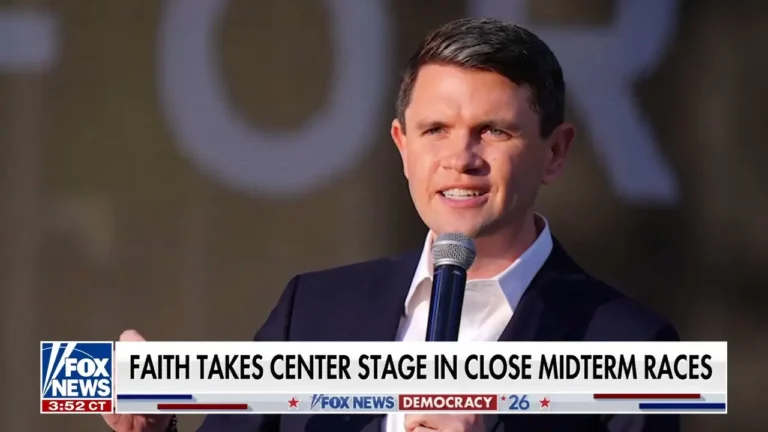
Christian leaders and faith-driven candidates have made significant strides in the 2026 US midterm elections, bringing renewed attention to the role of faith in American politics. Among the notable victories was former North Carolina Governor Roy Cooper, who defeated Republican candidate Michael Whatley to secure a Senate seat, helping Democrats flip a previously Republican-held seat.

Cooper, a Presbyterian church elder and former Sunday school teacher of 20 years, has frequently spoken about the influence of his Christian faith. Following his victory, he referenced Luke 12:48, declaring, “To whom much is given, much is required.”

Other Christian candidates also recorded historic victories. Methodist pastor Adam Hamilton defeated incumbent Republican Senator Roger Marshall in Kansas, ending a 94-year period without a Democratic Senate victory in the state. Meanwhile, Baptist pastor Frederick Douglas Haynes III won the race for Texas’ 30th Congressional District.

Their victories highlight the growing involvement of faith leaders in American public life, with several candidates drawing on biblical principles of compassion, justice, service and care for vulnerable communities. The results have also demonstrated that religious faith continues to play an important role in political conversations across the United States.


Pope Leo XIV Prays for Victims of War During All Souls’ Day Mass

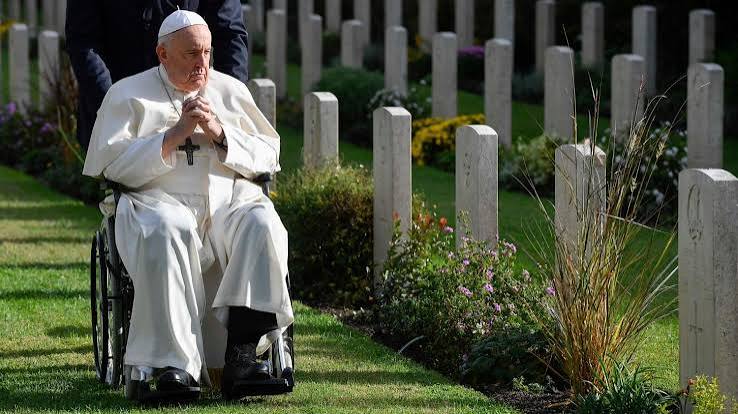
Pope Leo XIV has offered prayers for families mourning loved ones killed in war, calling on those with the power to end conflicts to listen to the suffering of innocent people.

The Pope made the appeal on Monday, November 2, 2026, while celebrating Mass for the Commemoration of All the Faithful Departed at Rome’s Campo Verano Cemetery.

Reflecting on Jesus’ teaching, “Blessed are those who mourn, for they shall be comforted” (Matthew 5:4), Pope Leo remembered those who had recently lost family members, particularly victims of ongoing wars and violence.

He prayed that the tears of mothers, children and elderly people affected by conflict would touch the consciences of those capable of bringing an end to the violence.

The Mass was celebrated as Catholics around the world observed All Souls’ Day, a special occasion dedicated to praying for the faithful departed and remembering loved ones who have died.

The Pope also reflected on the Christian hope of eternal life, reminding the faithful that their bond with those who have died is not broken but transformed through faith in Christ.

His message renewed the Church’s call for peace and compassion amid ongoing conflicts around the world.


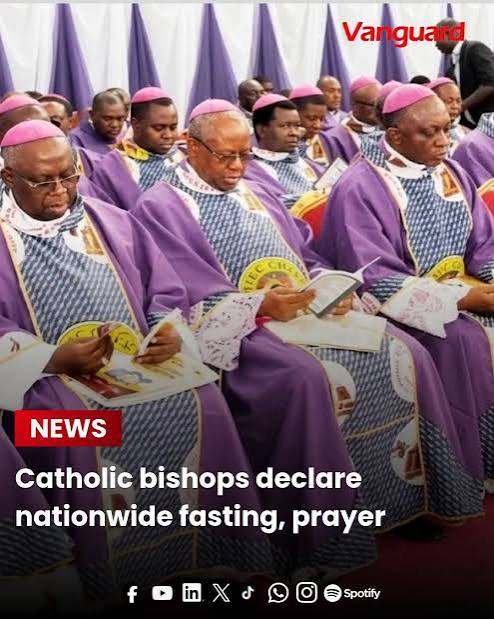
Nigerian Catholic Bishops Organise Nationwide Prayer and Fasting Ahead of 2027 Elections

The Catholic Bishops’ Conference of Nigeria (CBCN) has announced a nationwide programme of prayer and fasting ahead of the country’s 2027 general elections, calling for peaceful, free, fair and credible polls.

The initiative, announced on October 19, 2026, is themed “Let Justice and Peace Flow”, inspired by Amos 5:24. It aims to encourage Nigerians to pray for justice, responsible leadership and an electoral process that reflects the genuine wishes of the people.

In their announcement, the bishops expressed concern over electoral violence, manipulation, vote-buying and ethnic and religious divisions. They urged dioceses, parishes, church groups, families and individuals to participate in the spiritual initiative.

The programme includes three nationwide parish days of prayer and fasting scheduled for October 31 and November 28, 2026, and January 15, 2027. December 8, 2026, has also been designated as a nationwide diocesan day of prayer.

Activities during the parish observances will include fasting, Holy Mass, Rosary recitations, processions where possible, and prayers specifically prepared for the 2027 general elections. Participants may fast until noon or 6 p.m., depending on their health and circumstances.

The bishops are also calling on electoral officials, security agencies and the judiciary to act with impartiality and integrity throughout the electoral process.

Through the initiative, the Catholic Church hopes to encourage both spiritual commitment and responsible civic participation, stressing the importance of peaceful elections that uphold justice, national unity and the common good.

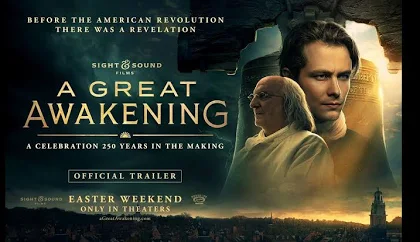
A Great Awakening: A Powerful Story of Faith, Friendship and American History

A Great Awakening is a historical faith-based drama that tells the remarkable true story of the unlikely friendship between Christian evangelist George Whitefield and American founding father Benjamin Franklin. Set during the First Great Awakening, the film explores how faith, powerful preaching and religious revival influenced American society during a defining period in its history.

As the American colonies face uncertainty and division, George Whitefield emerges as a powerful preacher whose passionate sermons inspire thousands and encourage a renewed interest in Christian faith. His growing friendship with Benjamin Franklin, a prominent publisher and political thinker, becomes an unexpected partnership that helps spread the message of the religious revival.

The film highlights the connection between spiritual freedom and the development of American society, exploring how religious convictions helped shape conversations about liberty, leadership and the nation’s future.

Directed by Joshua Enck, the film stars Jonathan Blair as George Whitefield and John Paul Sneed as Benjamin Franklin. It was released in cinemas on April 3, 2026, and is now available on digital platforms and streaming through Wonder Project.

With its blend of history, faith and inspiring storytelling, A Great Awakening offers audiences an opportunity to discover an important chapter of Christian history and reflect on the lasting influence of faith in society.


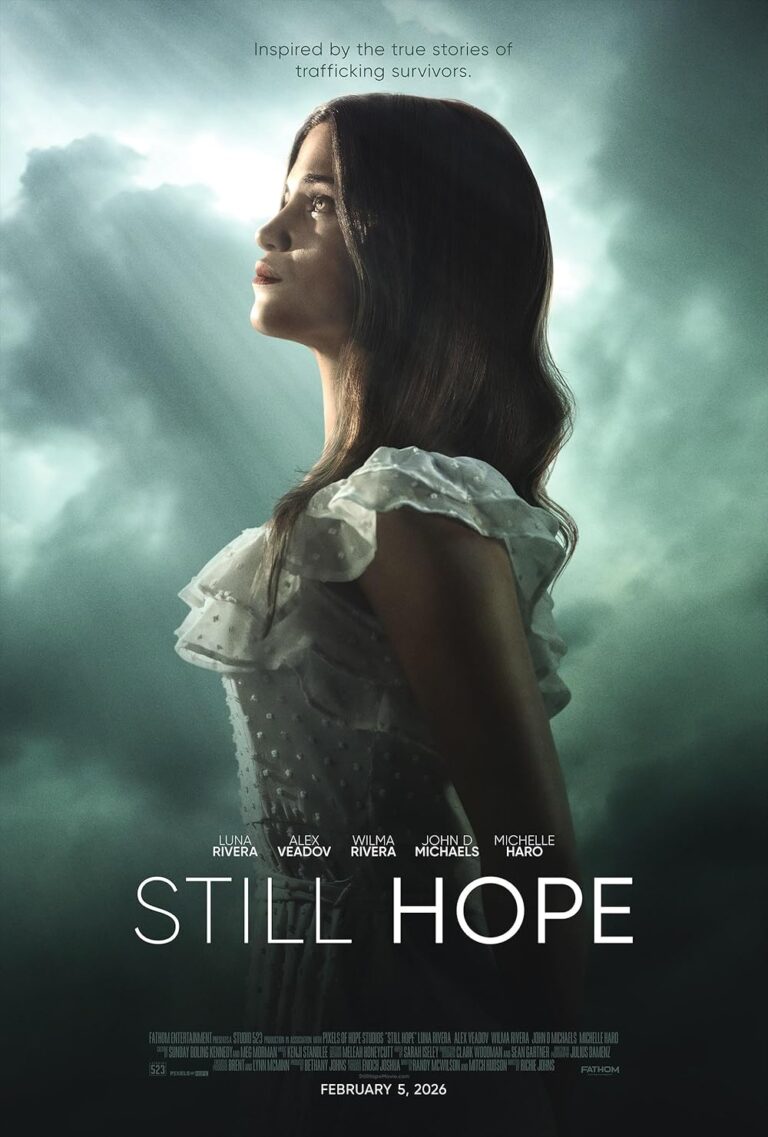
Still Hope

Still Hope is a powerful faith-based drama that explores the realities of human trafficking and the difficult journey towards healing and recovery. Inspired by true stories, the film follows Hope, a 16-year-old girl who is abducted and forced into sexual exploitation after trusting someone she believes to be a friend.

After years of abuse, Hope eventually escapes and reunites with her family. However, returning home is only the beginning of another difficult journey as she struggles to overcome her trauma, rebuild relationships and rediscover her sense of identity.

Directed by Richie Johns, the film highlights the importance of family support, compassion, resilience and hope in the recovery of trafficking survivors. It also raises awareness about human trafficking and the lasting impact of exploitation.

Featuring Luna Rivera, Alex Veadov and Wilma Rivera, Still Hope was released in cinemas in February 2026 and became available for streaming on Angel on 20 February 2026.

Through its emotional storyline, the film reminds viewers that even after painful experiences, healing is possible and a new beginning can still be found.

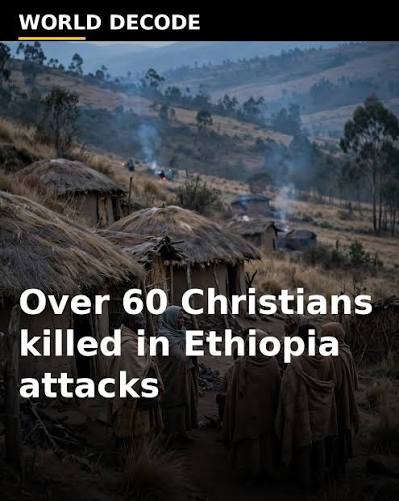
More Than 60 Orthodox Christians Killed in Brutal Attacks in Ethiopia

More than 60 Orthodox Christians have reportedly been killed in a series of brutal attacks in Ethiopia’s Oromia region, while at least 20 others sustained serious injuries.

According to reports, the attackers went from house to house, targeting residents in a violent assault that left families devastated and entire communities in fear.

The killings represent another troubling development in the security crisis affecting parts of Ethiopia, where religious communities continue to face threats of violence and displacement.

The attacks have renewed concerns about the safety of Christians in the region and the urgent need for authorities to strengthen security measures to protect vulnerable communities.

The incidents also highlight the importance of accountability and justice for victims of religiously motivated violence, as further details surrounding the attacks continue to emerge.

Nine Killed in Deadly Shooting at Greek Orthodox Church in Jordan

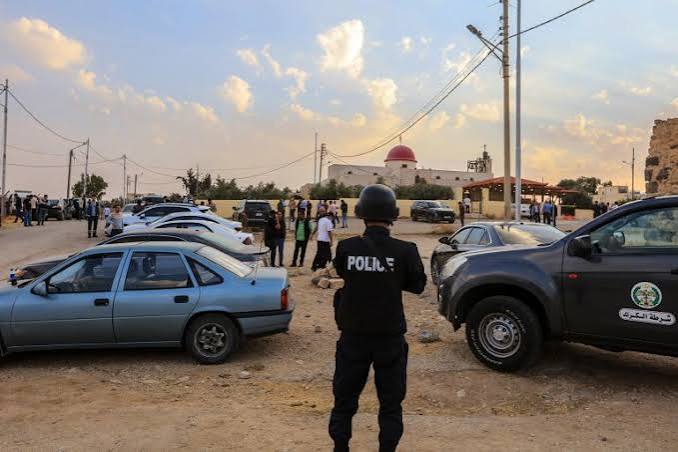
A deadly shooting reportedly occurred during a funeral Mass at St. George’s Greek Orthodox Church in Karak, Jordan, leaving nine people dead and approximately 40 others injured.

According to reports, gunmen armed with automatic weapons opened fire during the religious gathering, turning a solemn funeral service into a scene of panic and devastation.

The attack has raised serious concerns about the safety of Christian worshippers and the protection of religious gatherings. Those present at the service were caught in the violence, with several sustaining injuries.

The incident has drawn attention to the security challenges facing religious communities and the need for stronger protection of places of worship.

Further details surrounding the motive behind the attack and the full circumstances of the shooting remain subject to confirmation.

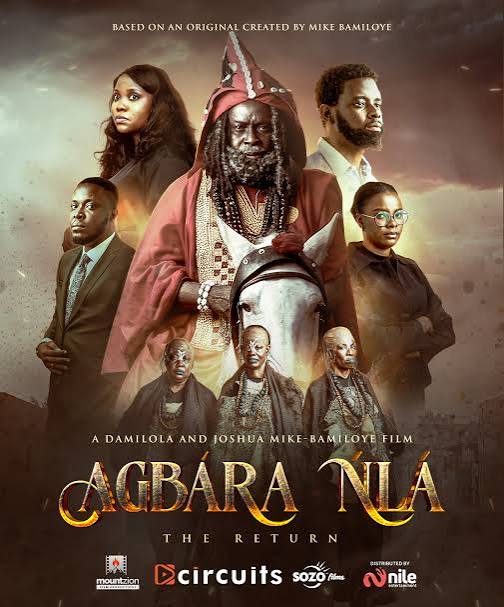
Agbara Nla: The Return

A modern cinematic revival of the Nigerian Christian classic Agbara Nla, this film explores themes of spiritual warfare, redemption, and the triumph of God’s power over evil. Directed by Damilola Mike-Bamiloye and Joshua Mike-Bamiloye, the production brings a fresh cinematic perspective to a familiar Christian story.

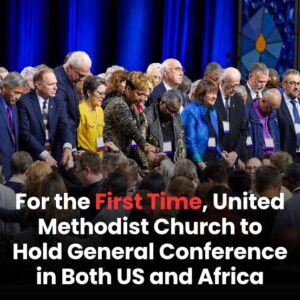
United Methodist Church to Hold Its 2028 General Conference Across Two Locations

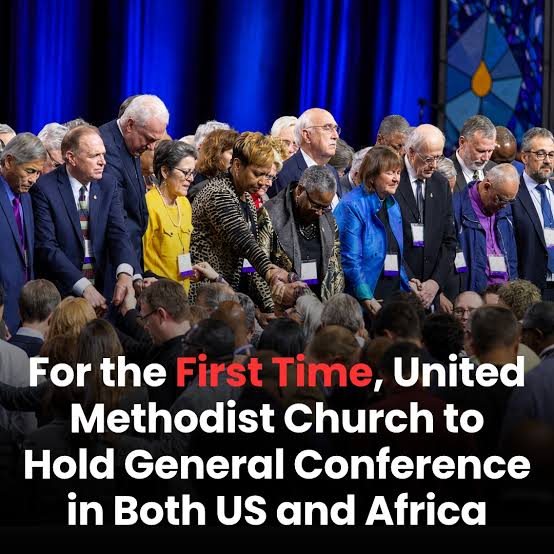
The United Methodist Church has announced a historic plan to hold its 2028 General Conference simultaneously in two locations: Minneapolis, Minnesota, in the United States, and Harare, Zimbabwe, in Africa. The decision represents a significant development in the denomination’s efforts to make its highest legislative gathering more accessible to delegates from different parts of the world.

The announcement was made on 27 October 2026 by the Commission on the General Conference, the body responsible for organising the denomination’s major legislative meeting. According to the commission, Harare was selected as the African location alongside Minneapolis to accommodate delegates who may be unable to travel to the United States, including those facing visa difficulties.

The General Conference is the United Methodist Church’s principal lawmaking body and normally meets every four years. Delegates gather to consider proposals, revise church law, adopt resolutions and make decisions affecting the denomination’s mission, governance and future direction. Its decisions can have far-reaching implications for congregations and church leaders around the world.

The decision to use two simultaneous locations reflects the denomination’s international character and the growing importance of its membership outside the United States. Africa is home to a substantial and growing share of United Methodist members, making representation from the continent an important consideration in discussions about the church’s future.

Organisers said the two sites would operate concurrently, enabling delegates at both locations to participate in the proceedings in real time. The arrangement is intended to improve access for delegates who face travel restrictions while supporting participation in the denomination’s legislative process. However, the commission acknowledged that managing a conference across two locations would present practical and technological challenges.

These challenges include coordinating proceedings, ensuring reliable communication between the sites and providing delegates with equal opportunities to participate in discussions and decision-making. Careful planning will be necessary to ensure that differences in location do not undermine the integrity of the conference or the representation of participating delegates.

The choice of Harare also highlights the importance of the African church within the wider denomination. By hosting part of the gathering on the continent, the United Methodist Church is recognising the need to accommodate its global membership and consider the practical barriers that can prevent some delegates from attending international meetings.

The 2028 General Conference will therefore be an important test of how a worldwide church can adapt its decision-making structures to serve members across different continents. Its success will depend on effective coordination, inclusive participation and the ability of delegates at both locations to contribute meaningfully to decisions that will shape the denomination’s future.


US Catholic Bishops Warn That Artificial Intelligence Could Increase Religious Surveillance

The United States Conference of Catholic Bishops (USCCB) has warned that the rapid development of artificial intelligence could create new risks for religious freedom, particularly if emerging technologies are used to monitor, discriminate against or persecute religious communities.

In a statement issued ahead of International Religious Freedom Day on 27 October 2026, church leaders highlighted the potential for artificial intelligence and other digital tools to expand surveillance and intensify existing forms of religious discrimination. They stressed that human dignity must remain central to decisions about how these technologies are developed and used.

Artificial intelligence is increasingly being applied in areas such as communications, security, data analysis and public administration. While these tools can provide significant benefits, their misuse may allow governments or other organisations to collect and analyse information about individuals on a much larger scale. Where adequate safeguards are absent, such capabilities could be used to identify people based on their beliefs, monitor religious gatherings or restrict the activities of faith communities.

The bishops expressed concern that technology could make it easier to carry out discrimination through automated systems. If AI tools are used irresponsibly, decisions affecting individuals or communities could be influenced by biased data, unfair classifications or inadequate oversight. Religious minorities and people living under restrictive governments may be particularly vulnerable where there are few effective protections for freedom of belief.

The USCCB called for cooperation between governments, religious leaders, technology companies and other stakeholders to ensure that digital tools respect human rights and religious liberty. Its message emphasised that technological progress should not come at the expense of the dignity and freedom of individuals.

The bishops have also taken steps to strengthen the Church’s engagement with AI-related ethical questions. In October 2026, the USCCB announced the establishment of a task force focused on preserving human dignity in the age of artificial intelligence. The group is expected to help church leaders assess both the opportunities and risks of AI in areas including education, healthcare, communications, employment and the protection of vulnerable people.

The discussion reflects a growing need for clear ethical standards as artificial intelligence becomes more deeply integrated into everyday life. For religious communities, the challenge is to benefit from technological innovation while ensuring that personal information, freedom of worship and the right to practise one’s faith remain protected.

The bishops’ warning serves as a reminder that technology is not separate from questions of human rights and responsibility. As AI systems become more powerful, governments and companies will face increasing pressure to ensure that their use promotes human dignity rather than creating new opportunities for discrimination or persecution.