LATEST ARTICLES

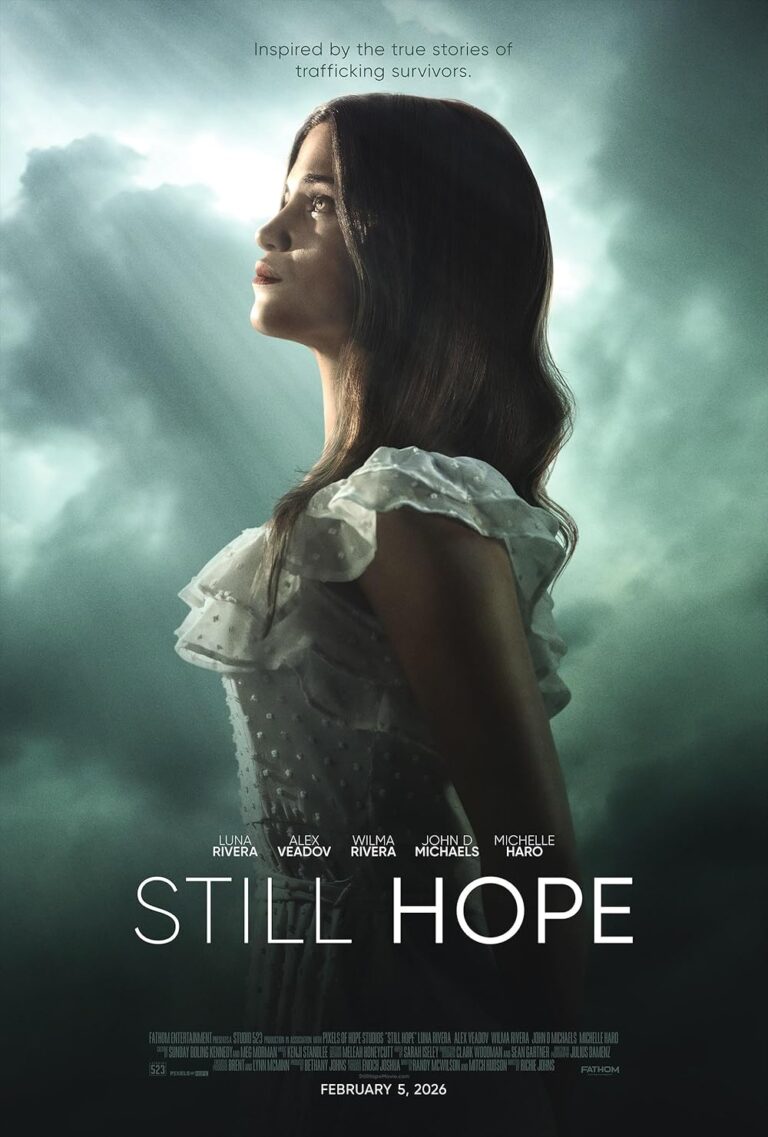
Still Hope

Still Hope is a powerful faith-based drama that explores the realities of human trafficking and the difficult journey towards healing and recovery. Inspired by true stories, the film follows Hope, a 16-year-old girl who is abducted and forced into sexual exploitation after trusting someone she believes to be a friend.

After years of abuse, Hope eventually escapes and reunites with her family. However, returning home is only the beginning of another difficult journey as she struggles to overcome her trauma, rebuild relationships and rediscover her sense of identity.

Directed by Richie Johns, the film highlights the importance of family support, compassion, resilience and hope in the recovery of trafficking survivors. It also raises awareness about human trafficking and the lasting impact of exploitation.

Featuring Luna Rivera, Alex Veadov and Wilma Rivera, Still Hope was released in cinemas in February 2026 and became available for streaming on Angel on 20 February 2026.

Through its emotional storyline, the film reminds viewers that even after painful experiences, healing is possible and a new beginning can still be found.

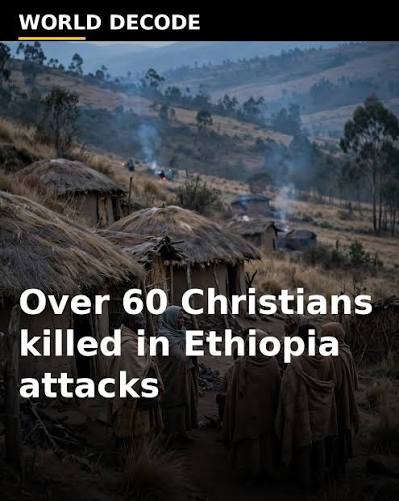
More Than 60 Orthodox Christians Killed in Brutal Attacks in Ethiopia

More than 60 Orthodox Christians have reportedly been killed in a series of brutal attacks in Ethiopia’s Oromia region, while at least 20 others sustained serious injuries.

According to reports, the attackers went from house to house, targeting residents in a violent assault that left families devastated and entire communities in fear.

The killings represent another troubling development in the security crisis affecting parts of Ethiopia, where religious communities continue to face threats of violence and displacement.

The attacks have renewed concerns about the safety of Christians in the region and the urgent need for authorities to strengthen security measures to protect vulnerable communities.

The incidents also highlight the importance of accountability and justice for victims of religiously motivated violence, as further details surrounding the attacks continue to emerge.

Nine Killed in Deadly Shooting at Greek Orthodox Church in Jordan

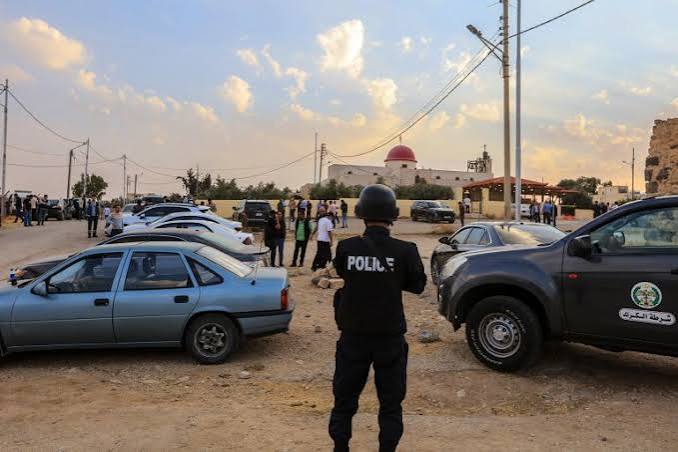
A deadly shooting reportedly occurred during a funeral Mass at St. George’s Greek Orthodox Church in Karak, Jordan, leaving nine people dead and approximately 40 others injured.

According to reports, gunmen armed with automatic weapons opened fire during the religious gathering, turning a solemn funeral service into a scene of panic and devastation.

The attack has raised serious concerns about the safety of Christian worshippers and the protection of religious gatherings. Those present at the service were caught in the violence, with several sustaining injuries.

The incident has drawn attention to the security challenges facing religious communities and the need for stronger protection of places of worship.

Further details surrounding the motive behind the attack and the full circumstances of the shooting remain subject to confirmation.

Agbara Nla: The Return

A modern cinematic revival of the Nigerian Christian classic Agbara Nla, this film explores themes of spiritual warfare, redemption, and the triumph of God’s power over evil. Directed by Damilola Mike-Bamiloye and Joshua Mike-Bamiloye, the production brings a fresh cinematic perspective to a familiar Christian story.

United Methodist Church to Hold Its 2028 General Conference Across Two Locations

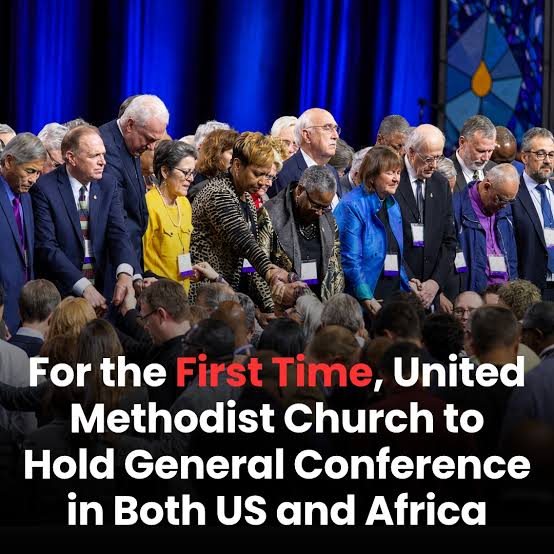
The United Methodist Church has announced a historic plan to hold its 2028 General Conference simultaneously in two locations: Minneapolis, Minnesota, in the United States, and Harare, Zimbabwe, in Africa. The decision represents a significant development in the denomination’s efforts to make its highest legislative gathering more accessible to delegates from different parts of the world.

The announcement was made on 27 October 2026 by the Commission on the General Conference, the body responsible for organising the denomination’s major legislative meeting. According to the commission, Harare was selected as the African location alongside Minneapolis to accommodate delegates who may be unable to travel to the United States, including those facing visa difficulties.

The General Conference is the United Methodist Church’s principal lawmaking body and normally meets every four years. Delegates gather to consider proposals, revise church law, adopt resolutions and make decisions affecting the denomination’s mission, governance and future direction. Its decisions can have far-reaching implications for congregations and church leaders around the world.

The decision to use two simultaneous locations reflects the denomination’s international character and the growing importance of its membership outside the United States. Africa is home to a substantial and growing share of United Methodist members, making representation from the continent an important consideration in discussions about the church’s future.

Organisers said the two sites would operate concurrently, enabling delegates at both locations to participate in the proceedings in real time. The arrangement is intended to improve access for delegates who face travel restrictions while supporting participation in the denomination’s legislative process. However, the commission acknowledged that managing a conference across two locations would present practical and technological challenges.

These challenges include coordinating proceedings, ensuring reliable communication between the sites and providing delegates with equal opportunities to participate in discussions and decision-making. Careful planning will be necessary to ensure that differences in location do not undermine the integrity of the conference or the representation of participating delegates.

The choice of Harare also highlights the importance of the African church within the wider denomination. By hosting part of the gathering on the continent, the United Methodist Church is recognising the need to accommodate its global membership and consider the practical barriers that can prevent some delegates from attending international meetings.

The 2028 General Conference will therefore be an important test of how a worldwide church can adapt its decision-making structures to serve members across different continents. Its success will depend on effective coordination, inclusive participation and the ability of delegates at both locations to contribute meaningfully to decisions that will shape the denomination’s future.


US Catholic Bishops Warn That Artificial Intelligence Could Increase Religious Surveillance

The United States Conference of Catholic Bishops (USCCB) has warned that the rapid development of artificial intelligence could create new risks for religious freedom, particularly if emerging technologies are used to monitor, discriminate against or persecute religious communities.

In a statement issued ahead of International Religious Freedom Day on 27 October 2026, church leaders highlighted the potential for artificial intelligence and other digital tools to expand surveillance and intensify existing forms of religious discrimination. They stressed that human dignity must remain central to decisions about how these technologies are developed and used.

Artificial intelligence is increasingly being applied in areas such as communications, security, data analysis and public administration. While these tools can provide significant benefits, their misuse may allow governments or other organisations to collect and analyse information about individuals on a much larger scale. Where adequate safeguards are absent, such capabilities could be used to identify people based on their beliefs, monitor religious gatherings or restrict the activities of faith communities.

The bishops expressed concern that technology could make it easier to carry out discrimination through automated systems. If AI tools are used irresponsibly, decisions affecting individuals or communities could be influenced by biased data, unfair classifications or inadequate oversight. Religious minorities and people living under restrictive governments may be particularly vulnerable where there are few effective protections for freedom of belief.

The USCCB called for cooperation between governments, religious leaders, technology companies and other stakeholders to ensure that digital tools respect human rights and religious liberty. Its message emphasised that technological progress should not come at the expense of the dignity and freedom of individuals.

The bishops have also taken steps to strengthen the Church’s engagement with AI-related ethical questions. In October 2026, the USCCB announced the establishment of a task force focused on preserving human dignity in the age of artificial intelligence. The group is expected to help church leaders assess both the opportunities and risks of AI in areas including education, healthcare, communications, employment and the protection of vulnerable people.

The discussion reflects a growing need for clear ethical standards as artificial intelligence becomes more deeply integrated into everyday life. For religious communities, the challenge is to benefit from technological innovation while ensuring that personal information, freedom of worship and the right to practise one’s faith remain protected.

The bishops’ warning serves as a reminder that technology is not separate from questions of human rights and responsibility. As AI systems become more powerful, governments and companies will face increasing pressure to ensure that their use promotes human dignity rather than creating new opportunities for discrimination or persecution.


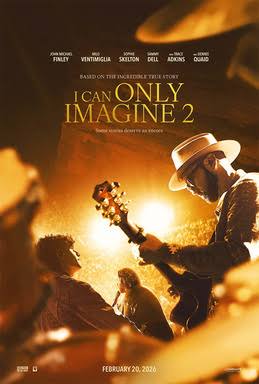
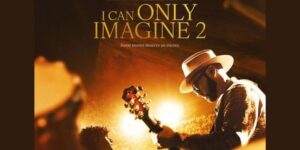
I Can Only Imagine 2

The highly anticipated biographical sequel from Kingdom Story Company and Lionsgate follows MercyMe lead singer Bart Millard as he faces profound personal challenges, including a serious medical diagnosis affecting his young son. Inspired by the real-life events behind MercyMe’s hit song “Even If,” the film explores themes of faith, perseverance, fatherhood, and grief, highlighting the strength required to hold on to hope during life’s most difficult moments.

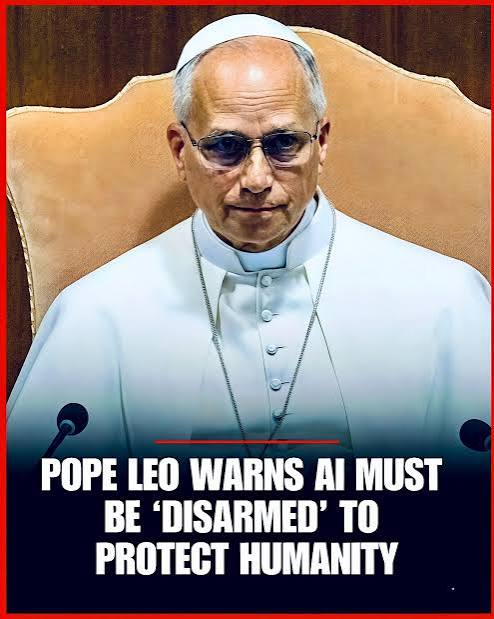
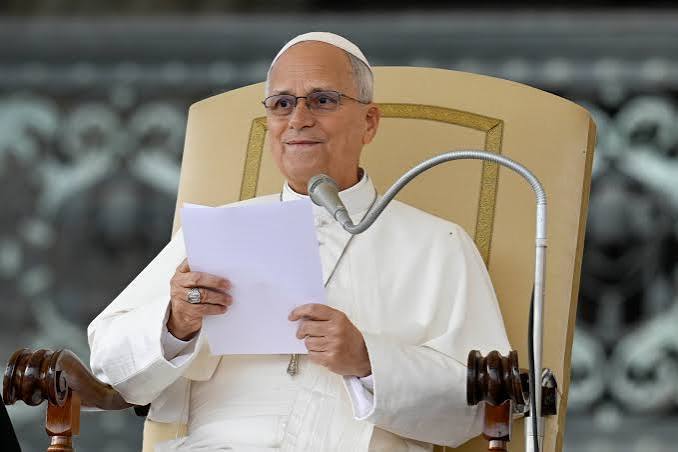
Pope Leo XIV Calls for a Mature Relationship Between Faith and Culture

Pope Leo XIV has urged Catholics to develop a mature relationship between their Christian faith and the culture in which they live, cautioning against approaching the modern world with hostility or isolation. His message emphasised that faith should engage with contemporary society and contribute positively to human development, education and intellectual life.

The Pope delivered the message during his Wednesday General Audience in St. Peter’s Square on 28 October 2026. Continuing his catechesis on the documents of the Second Vatican Council, he focused on Gaudium et Spes, the Pastoral Constitution on the Church in the Modern World, particularly its teaching on the relationship between faith and culture.

In his address, Pope Leo explained that the Church has long supported education and cultural development through schools and other institutions that promote human, intellectual and spiritual formation. He noted that the growth of knowledge raises important questions that Christians should be prepared to consider thoughtfully while remaining rooted in their faith.

The Pope stressed that scientific knowledge and intellectual development should go hand in hand with a deeper understanding of Christian belief. Rather than treating modern culture as something to oppose automatically, Catholics are encouraged to understand the ideas, experiences and circumstances that shape the lives of people around them. Such engagement, he indicated, can help believers communicate the Gospel more effectively and credibly.

His teaching also reflected the importance of the Incarnation in understanding the relationship between Christianity and culture. Since the Word became flesh, faith is not meant to remain detached from everyday human experience. Instead, it should influence how people live, serve others, understand the world and contribute to their communities.

Pope Leo’s message offers an important reminder for Christians navigating a rapidly changing society. It encourages believers to combine a firm commitment to their faith with a willingness to learn, think critically and engage respectfully with others. By doing so, Christians can bear witness to their beliefs without withdrawing from the wider world or treating cultural differences as an automatic source of conflict.

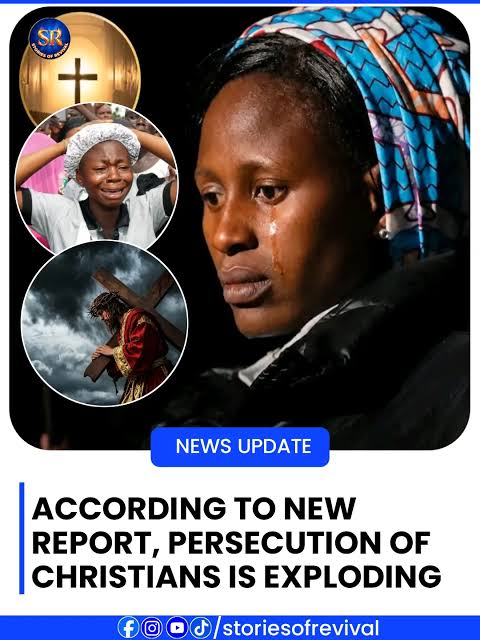
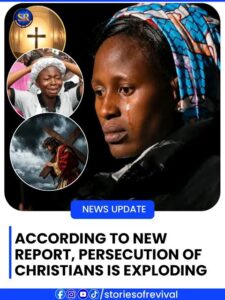
Global Christian Persecution Worsens as 220 Million Believers Face Severe Threats

A new international report has raised fresh concerns about the growing persecution of Christians worldwide, warning that millions of believers continue to face violence, discrimination and restrictions on their religious freedom. The report, Persecuted and Forgotten? A Report on Christians Oppressed for Their Faith 2024–2026, published by Aid to the Church in Need (ACN), documents worsening conditions in several countries and highlights the challenges facing Christian communities across Africa, Asia and the Middle East.

According to the report, persecution deteriorated in 55% of the 18 countries examined, with none recording an overall improvement during the period under review. Approximately 220 million Christians worldwide are directly exposed to severe persecution, while an estimated 413 million live in countries where serious violations of religious freedom occur. These figures highlight the scale of the problem and the vulnerability of believers living in regions affected by religious extremism and authoritarian rule.

Sub-Saharan Africa remains one of the regions most affected by extremist violence. In countries such as Nigeria, Burkina Faso, Mali and Mozambique, Christian communities have endured killings, kidnappings, attacks on places of worship and forced displacement. In some areas, continuing insecurity has forced families to abandon their homes and livelihoods, creating uncertainty about the future of established Christian communities.

The report also draws attention to persecution in parts of Asia, where Christians face different forms of pressure, including government restrictions, discrimination and hostility driven by religious nationalism. In some countries, believers struggle to worship freely or practise their faith without fear of intimidation or punishment.

Beyond the immediate violence, displacement presents a significant challenge. When Christian families are forced to leave their homes, they may lose access to churches, schools, employment and the wider support networks that sustain their communities. Prolonged displacement can also weaken the historic Christian presence in regions where believers have lived for generations.

The findings have renewed calls for governments and international organisations to protect religious freedom and hold perpetrators of religiously motivated violence accountable. The report also stresses the importance of international awareness and solidarity with affected communities, warning against allowing the suffering of persecuted Christians to go unnoticed.

Washington School District Reverses Bible-Handling Policy in Settlement

EVERETT, Washington, United States — October 23, 2026

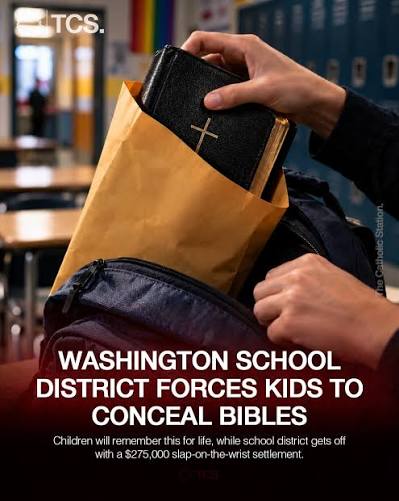
Everett Public Schools in Washington state has agreed to change policies challenged by LifeWise Academy, a provider of voluntary Bible education outside school grounds during school hours.

According to The Christian Institute, the dispute included a requirement for students to conceal Bibles and related materials in sealed envelopes when returning to school after participating in the programme. LifeWise also challenged restrictions on its participation in community events and distribution of information.

Under the reported settlement, the district agreed to amend its policies, issue a public apology, pay $275,000 in legal fees and provide religious-liberty training.

The case has raised questions about how public schools should balance religious expression, equal treatment and the rights of students who take part in voluntary faith-based programmes. The settlement concerns the district’s policies; it does not require public schools to endorse religious teaching.