PODCAST: The Scripture & the Sense Podcast #437: Amos 3:13-15 (with Daniel Whyte III)

This is Daniel Whyte III president of Gospel Light Society International with The Scripture & the Sense Podcast #437, where I read the Word of God and give the sense of it based on an authoritative commentary source such as the Bible Knowledge Commentary or Matthew Henry Commentary. This podcast is based upon Nehemiah 8:8 where it says Ezra and the Levites “read in the book in the law of God distinctly, and gave the sense, and caused them to understand the reading.” The aim of this podcast is that through the simple reading of the Word of God and the giving of the sense of it, the church would be revived and the world would be awakened.

Today we are reading Amos 3:13-15.

13 Hear ye, and testify in the house of Jacob, saith the Lord God, the God of hosts,

14 That in the day that I shall visit the transgressions of Israel upon him I will also visit the altars of Bethel: and the horns of the altar shall be cut off, and fall to the ground.

15 And I will smite the winter house with the summer house; and the houses of ivory shall perish, and the great houses shall have an end, saith the Lord.

________

That was Amos 3:13-15. Now here is the sense of it.

The Bible Knowledge Commentary reads:

God addressed the Northern Kingdom as the house of Jacob, using the patriarchal name to remind them of His early commitment to their ancestors. In times past God had been a Warrior on their behalf. But now He would lead another army against them to punish them for their sins. God Almighty designates the most awesome Warrior. Throughout these chapters which describe Israel’s violations the Lord is repeatedly presented as a mighty Su-ze-rain who commands vast forces, whose power to punish rebels is both massive and irresistible. In punishing them, God would destroy the altars of Bethel. Bethel was the royal sanctuary of Jeroboam II, the most popular religious center in Israel. As the site of the golden calf erected by Jeroboam I, its altars symbolized Israel’s continued rebellion against God. The horns of these altars were projections on the altars’ corners. Fugitives could grab these horns to claim asylum from their pursuers. Murderers, however, could not receive protection, but were torn by force from the altar. Israel’s sin was similarly so great that God Himself was going to cut off the means of claiming asylum. There would be no sanctuary from the enemy who was coming against them. God would not only destroy their religious center; He would also tear down the luxurious mansions which resulted from their commercial exploitation. Once only kings could afford both a winter house and a summer house. For example, in the ninth century Ahab had a winter palace in the warmer plains of Jez-reel besides his Samaria residence. Luxury houses adorned with ivory inlay or furnishings were likewise the province of royalty. Yet the ill-gotten prosperity of Israel’s upper classes had enabled them to build such dwellings. All these, however, would be demolished on the day God would punish Israel.

____________

Thank you for listening to the Scripture & The Sense Podcast. Remember to read the Word of God each and every day and pray without ceasing to God for wisdom to understand it and apply it to your life. Most importantly, believe on the Lord Jesus Christ and thou shalt be saved. Please stay tuned for a complete presentation of the Gospel of the Lord Jesus Christ so that you can get your soul saved from Hell to that wonderful place called Heaven when you die. May God bless you and keep you is my prayer.

All Content & Images are provided by the acknowledged source

Michael Wear and Amy Black on Why the Stories We Tell About Our Country and Our Faith Matter

Michael Wear, who led religious outreach for former President Barack Obama’s re-election campaign, is founder of Public Square Strategies, LLC. Amy E. Black is professor of political science at Wheaton College. The views expressed in this commentary are solely those of the author(s) and do not necessarily represent those of BCNN1.

Pluralism, the presence of socially or politically meaningful diversity in a society, is a defining feature of 21st-century American life. It is the source of great tensions that ripple through our society and our politics. How to contend with diversity is one of the great questions of our day for political leaders, religious leaders and the American people.

In a new report we co-authored for The Trinity Forum, with support from Democracy Fund, titled “Christianity, Pluralism and Public Life in the United States: Insights from Christian Leaders,” a diverse group of Catholic, Protestant and Orthodox Christian clergy, institutional directors and thought leaders told us about their faith’s place in the public square and how they see Christianity portrayed in a polarized environment that thrives on toxic conflict.

Too many influential people believe and tell the story that either a diverse America is a threat to Christianity, or that Christianity is a threat to a diverse America.

But in more than 50 in-depth interviews with Christian leaders, we heard different stories that are worth telling. They pointed out that Christians are quietly working in myriad ways to improve their communities, making positive contributions to public life that often go underreported. The Rev. Michael Curry, presiding bishop of the Episcopal Church, talked about Christian “hospitals and schools and universities and other human service institutions … (that) provided human service delivery that was a living out of the ethical and moral teachings of their faith.”

Christianity’s long history of service, hospitality and compassion in communities around the country rests in the Christian’s foundational belief in the dignity of the human person and the call to love one’s neighbor and even one’s enemies. Duke Kwon, pastor of Grace Church in Washington, D.C., told us that “Christians, more than anyone, should be willing to vote for or labor towards interests that might actually come at the cost of their own,” calling that “the basic cruciformity of life — bearing the cross and loving others, even at the cost of ourselves.”

In this sense, the Christian tradition provides some of the ideas that are key to our common public life. This includes the pluralism that is the basis of American democracy.

Source: Religion News Service

All Content & Images are provided by the acknowledged source

Rolls-Royce Reportedly Cancels Offer for Private Mass With Pope Francis

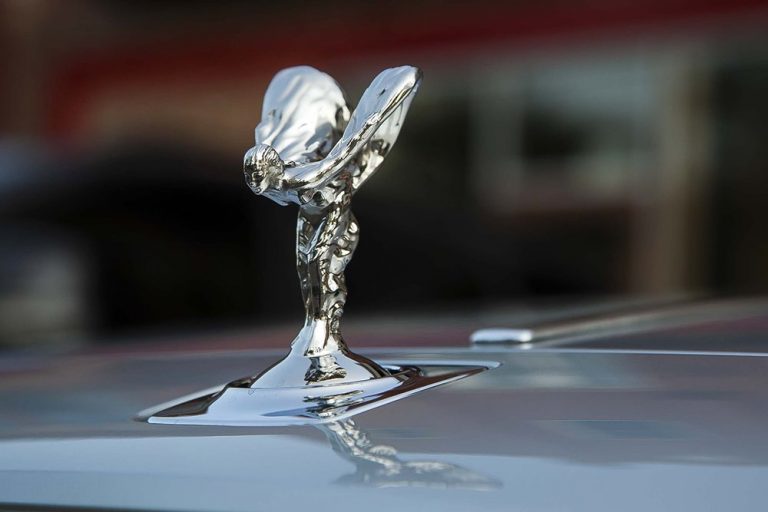
A high-priced offer to attend a private Mass with Pope Francis made available only to owners of Rolls-Royce cars has reportedly been canceled, with the company no longer promoting the chance to meet the pontiff on its exclusive app.

Religion News Service reported on Thursday (March 5) that Rolls-Royce promoted an offer — which the Vatican press office said it was unaware of — to attend a private Mass with the pope via the company’s Whispers app. The advertisement for the promotion, which carried a price tag of about $155,000, in addition to a suggested donation to the Catholic Church of $112,000, promised potential customers that Francis “will administer the Holy Sacrament by his very own hands, leaving you and your guest(s) with personal blessing that will be unique to each of you.”

But according to Catholic News Agency, the organization facilitating the offer, Italian Luxury Living, has now rescinded it in the wake of RNS’ reporting.

“The offer does not exist anymore,” Ananda Gari of Italian Luxury Living told CNA.

CNA reported that Rolls-Royce and Italian Luxury Living “have decided mutually to cancel the offer to meet Pope Francis.”

In addition, Italian Luxury Living’s website has been taken down. It now carries a message written in Portuguese that roughly translates as: “The site is down for maintenance. The return forecast is for April 5, 2020 2:25 pm.”

Representatives for Rolls-Royce and Italian Luxury Living did not immediately respond to requests for comment.

Source: Religion News Service

All Content & Images are provided by the acknowledged source

Shops at the Vatican Risk Closure Due to Coronavirus Fears

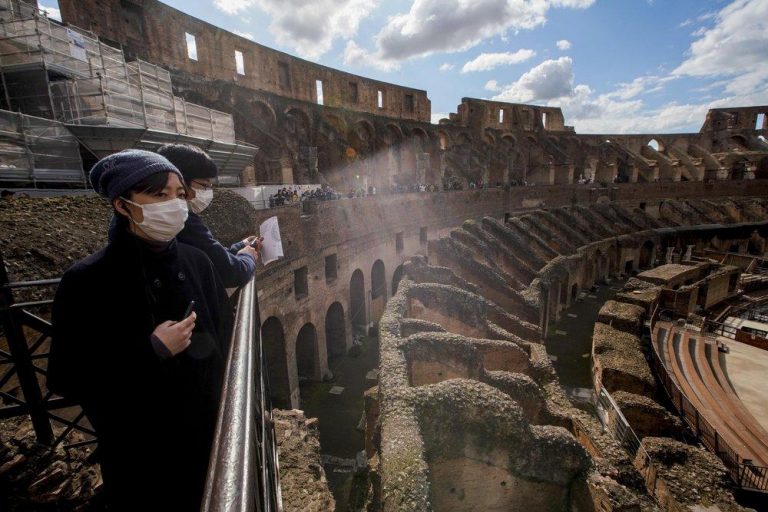
Streets near the Vatican, usually bustling with tourists, are empty. Restaurants and gift shops are deserted, and idled tour guides sit on the sidewalk, smoking cigarettes and complaining of not having worked in days.

As fears of the coronavirus have spread across Italy, with more than 3,000 cases and 141 deaths reported as of Friday (March 6), many shop owners who depend on tourism are weighing whether to cut their losses by reducing their hours of operation, while others have already closed entirely.

“Starting from Monday before last there has been a drop of at least 80, 90% of our clientele compared to last year,” said Leonardo Di Bartolomeo, the son of the owner of the restaurant La Vittoria, only a few steps from St. Peter’s Square, in an interview with Religion News Service on Thursday (March 5).

Groups have canceled their reservations until at least late April, when pilgrims from all over the world normally flock to the Eternal City for Easter celebrations. But for now seats remain empty and morale is low as business owners look for any sign that the spread of COVID-19 is beginning to stabilize.

Di Bartolomeo said that Americans have led the cancellations since last week, when President Trump recommended not flying to Italy as the virus, which first had its major outbreak near the northern cities of Milan and Venice, began to spread to the rest of the peninsula.

“If things go on like this I think that either someone will have to go on leave of absence or we will have to start laying people off,” said Di Bartolomeo. “Otherwise we can’t cover our bills; that’s the problem.”

While Di Bartolomeo worries that La Vittoria, a fixture in the neighborhood since 1919, may not survive, he notes that limiting his inventory will pass La Vittoria’s hardship on to his suppliers, creating a domino effect through Rome’s economy.

Italy’s leftist governing coalition has suspended taxes for shopkeepers for the month of March, but Di Bartolomeo fears the next month when he will be faced with double the amount of taxes, with no increased income.

Still, he said, they carry on “with a smile.” After all, he added, “We’ve been here a while… we’ve got broad shoulders.”

Tourists wear face masks as they visit the Trevi fountain in Rome, Feb. 28, 2020. (AP Photo/Gregorio Borgia)

Across the street, Martin Duli, the owner of the bistro Feffo, sits in his empty restaurant, eager to share his concerns. “For the moment, things are really bad,” he told RNS. “We are considering closing, at least from Tuesday to Friday.”

“The problem is that all of us are trying to bring the bread home,” he added, pointing to the only waiter in service, who has also just become a father. “What happens to him if I send him home?” he asked.

Just outside St. Peter’s Colonnade surrounding the square, a religious gift shop called Mondo Cattolico is completely empty, and the numerous staff has little to do.

“After doing all the cleaning and making the place suitable for visiting tourists, there are no tourists,” said owner Gabriele Rossetti as his staff gathered around him. He blames the media for creating a “climate of terror” that discouraged even the few visitors willing to face coronavirus fears from rescheduling their canceled flights.

“From a financial point of view, it’s clear now that this is a disaster, but we try and think about the health of everybody,” he said.

Source: Religion News Service

All Content & Images are provided by the acknowledged source
How Reddit is Helping Former Members of La Luz Del Mundo Cope With Life After the Cult

It took Raquel Guerra years to get over her fear of thunderstorms.

Growing up, she believed rain and lightning were signs that the end of the world was coming. If that happened, Guerra worried that her sins, like the time she stole a candy from Walmart or that one day she talked back to her parents, were enough to send her to hell.

“I was like, OMG, it’s happening — the end. The sky is opening. It’s all over,” said Guerra, 41, a former member of La Luz del Mundo, a tight-knit Mexico-based Pentecostal movement that claims 5 million members around the world.

Guerra and her family attended a La Luz del Mundo church in Bexar County, Texas. Her childhood and teen years were devoted to the church, where she would attend daily evening services or volunteer cooking and selling food for the church.

Early on, she began to doubt the church’s teachings about the Judgment Day being near and feared “evil spirits” were luring her away from salvation.

Still, the church played a major role in shaping her life. At 14, the church convinced her parents to allow her to marry a 16-year-old boy after they had premarital sex. Getting married felt like the right thing to do because she had sinned, Guerra said.

Raquel Guerra was baptized into La
Luz del Mundo church in 1993 in
Santa Maria, California. Photo
courtesy of Raquel Guerra

“I felt forced in a way that if I didn’t, no one else in La Luz del Mundo would ever want to marry me since I wasn’t pure, as they call it,” she said.

They had a child together. Then, said Guerra, they divorced when she was 18.  

A year later, Guerra left the church because she was pregnant and in a relationship with a man who was not part of La Luz del Mundo. An insular community, the church frowned on relationships with outsiders, Guerra said. She recalls church leaders saying the child was a product of sin.

The church did not respond to requests for comment, but in a statement denied the charges against Garcia. “The Apostle of Jesus Christ has always adhered to the law and demonstrated full respect to government institutions and the dignity of all persons,” the statement said.

Transitioning to life outside the church wasn’t easy. She didn’t know anybody who could relate to her specific anxieties, like the way she felt during thunderstorms, or who could understand why she was married and divorced so young. For years, she could not find anyone who could sympathize with what she had been through.

That changed a year ago when she found an online community of former La Luz del Mundo members like herself on a message board — known as a subreddit — at Reddit.com. Known as EXLLDM, the message board has about 1,400 subscribers and has been active since about 2017. Members are anonymous and have usernames like FreeAndLovingLife, secular_mind and free4romthatcult.

Guerra stumbled upon the group in June 2019 when news emerged about the arrest of Naasón Joaquín García, the leader of La Luz del Mundo. García, who goes by the title of apostle, was charged with sex crimes involving minors. He has pleaded not guilty and is awaiting trial in California. Guerra scoured the internet for church-related news and eventually came across the subreddit. She scrolled through the online discussions, created a username and soon started chiming in.

The message board appears to include comments from former and current members of the church who are nonbelievers but remain involved with La Luz del Mundo for their families and loved ones. EXLLDM defines itself as a place for “exit support and comfort” that encourages civil discussion, personal experiences and “occasional laughs.” Users must abide by a set of rules to participate in discussions. The message board’s rules forbid “argumentative apologists” and harassment and do not allow members to post any identifying information like phone numbers and personal accounts.

“I had no idea that so many other people felt the way that I had been feeling for years,” Guerra said of the group.

A range of discussions take place on EXLLDM, from updates of García’s court case to more in-depth conversations about the theology of the church or explanations about why people left.

In one discussion, a user imagines the “wild” and “perhaps impossible” possibility of church members secularizing La Luz del Mundo. In that vision, they would continue to meet weekly, cook meals and have festivals — basically keep the community of the church — “without all the religious nonsense.”

In other exchanges, they talk about failed relationships they attribute to the church and encourage one another to seek therapy. One discussion provided tips on how to fake receiving the Holy Spirit while at church to please parents.

La Luz del Mundo was founded in 1926 by García’s grandfather, Eusebio Joaquín González. The church rejects the concept of the Trinity and teaches that Jesus is God’s son and that church leaders, like García, his father and grandfather, are his apostles. They eschew religious symbolism, viewing crucifixes as idolatry. Worshippers yelp and cry during services. In February, an ex-member sued the church and more than a dozen of its leaders, alleging decades of abuse at the hands of the group’s leaders.

A number of La Luz del Mundo temples are in Southern California, predominantly in Latino communities such as East Los Angeles, Huntington Park and San Bernardino. There also are temples in Redlands and Pasadena.

During worship, genders are segregated in the pews, and women cover their hair and wear long, modest skirts. Followers of La Luz del Mundo do not celebrate Christmas or Easter, but they do recognize the birthdays of García and the other apostles.

García’s father was the subject of child sex abuse allegations in 1997, but authorities in Mexico never filed criminal charges, according to The Associated Press. Last month, a former member sued the church and its leaders, alleging years of abuse.

Source: Religion News Service

All Content & Images are provided by the acknowledged source
Why You Must Trust in the Lord in Hard Times

All of us who trust in the Lord will go through challenging and hard times. We live in a fallen world. We suffer ourselves at times. At times we suffer because our children or grandchildren are suffering or not walking with the Lord. I recently talked with a couple whose daughter is living with her boyfriend, not following Jesus and seems to want little to do with her parents. Another parent I know grieves on a regular basis because her son has chosen to live a homosexual lifestyle. I know another believer whose business is struggling. And I know several believers who are going through serious health problems. In all these kinds of struggles we can be tempted to fear or wonder if the Lord will help us.

Am I going to trust in the Lord and his Word or my own heart and assessment of the situation? Am I going to trust God’s promises or my own understanding?

God tells us we have two options: To trust in the Lord with all our heart and to acknowledge him in all our ways or to lean on our own understanding and be wise in our own eyes.

This means we should trust God’s word wholeheartedly. Without doubt. Not partially. We must not think, “Well, maybe God’s word doesn’t apply to this situation. Maybe it applies to most situations, but not this one.”

We must believe that if God has made a promise he will fulfill it somehow. Some way. In his timing. I think this is especially hard with his promises for our children. He has made numerous promises to save them and to answer our prayers for them. I know many parents who did all they could to teach their kids about the Lord and bring them up in the knowledge of him. They took their children to church every week. Sent them to youth camps, etc. And now their children are not following the Lord. It is grieving to the parents. It is so hard to understand. After all God’s word promises that he will “establish” our children (Psalm 102:28), fill them with his Word and Spirit (Isaiah 59:21), and personally teach all our children (Isaiah 54:19). Yet they aren’t following as adults. So hard to understand.

We need to trust in the Lord and not lean on our own understanding in all kinds of other situations. When we are tempted to lust. Tempted to get involved in sexual sin. Satan will lie to us, just like he lied to Eve in the garden. “You will not surely die. Nothing is going to happen to you. No one will ever know.”

We need to trust God with our finances. “I tithe, I give to the poor, yet why am I so tight? I thought God promised to bless me. Yet here we are. Financially tight. Why should I keep giving to the Lord?”

God tells us: Trust in the LORD with all your heart, and do not lean on your own understanding. He also tells us: Be not wise in your own eyes; fear the LORD, and turn away from evil.

That’s the big question: who will we trust? The Lord or ourselves? The Lord, who is all-powerful, all-wise, all-knowing, and completely good and loving, or our own understanding? Our own “eyes” or our own limited view of things, our own limited assessment of things.

Source: Church Leaders

All Content & Images are provided by the acknowledged source

Study Says Steep Decline in Practicing Christians Will Have Major Repercussions for Church Leaders

New research from the Barna Group found that the share of practicing Christians in the United States has nearly dropped in half over the last two decades — a shift the group warns will have “major repercussions” for church leaders.

The latest research from the evangelical Christian polling firm, which examined the role of Christianity in the American Church, reveals that that just 25 percent of Americans are practicing Christians, compared to 45 percent in 2000.

Barna defines a “practicing Christian” as someone who identifies as a Christian, agrees strongly that faith is very important in their lives and has attended church within the past month.

According to Barna, half of those who identified as practicing Christians in 2000 fell away from consistent faith engagement, essentially becoming non-practicing Christians (2000: 35 percent vs. 2020: 43 percent), while the other half moved into the non-Christian segment (2000: 20 percent vs. 2019: 30 percent).

David Kinnaman, president of Barna, said the findings indicate a “major reshuffling of Americans’ spiritual lives.”

“Monthly, committed churchgoers are now about half as common as they were two decades ago,” he said. “This shift has major repercussions for church leaders as there is increased struggle to attract and retain the active segment of churchgoers.”

The findings are part of the State of the Church 2020 study, a year-long examination of the spiritual and religious trends that define American life these days. For the report, Barna explored data collected among 96,171 surveys over more than 20 years.

The report also found that while 36 percent fewer Americans attended church weekly in 2020 than in 1993, consistency of Bible reading has remained steady for nearly a decade. Nearly the same percent of U.S. adults today report reading their Bibles weekly as did in 1993 (2020: 35 percent vs. 1993: 34 percent).

Additionally, large majorities of Americans still say that prayer is something that they do on a weekly basis: From 1996 to 2010, there “was no statistical difference in the percentage of Americans who prayed, with the number hovering around 83 percent,” notes Barna.

The research indicates that Americans are “softening in their practice of Christianity,” according to Kinnaman. He said it “raises urgent questions for church leaders about the nature of the relationship Americans have to Christian practice.”

“What redefines and what anchors the churchgoing, Bible reading and prayer of adults? Among the interesting stories in the data is that private practices of faith—such as prayer and Scripture intake—aren’t sliding as much as church attendance,” he said.

Source: Christian Post

All Content & Images are provided by the acknowledged source
Travel Chaos Rrupts as Italy Quarantines North to Halt Coronavirus

ROME (AP) — Italy announced a sweeping quarantine early Sunday for its northern regions, igniting travel chaos as it restricted the movements of a quarter of its people in a bid to halt the new coronavirus’ relentless march across Europe.

Shortly after midnight, Italian Prime Minister Giuseppe Conte signed a decree affecting 16 million people in the country’s prosperous north, including the Lombardy region and at least 14 provinces in neighboring regions. The extraordinary measures will be in place until April 3.

“For Lombardy and for the other northern provinces that I have listed, there will be a ban for everybody to move in and out of these territories and also within the same territory,” Conte said. “Exceptions will be allowed only for proven professional needs, exceptional cases and health issues.”

Around the world, other countries have been increasingly imitating China – where the virus first emerged late last year — by imposing travel controls and shutting down public events. China has suffered about three-fourths of the world’s 106,000 coronavirus infections and most of its nearly 3,600 deaths.

There was chaos and confusion in the hours before Conte signed the decree, as word leaked to the news media about the planned quarantine. Students at the University of Padua in northern Italy who had been out at bars on a Saturday night saw the rumors on their cellphones and rushed back to their apartments to grab their belongings and head to the train station.

Hundreds of passengers, some wearing face masks and rubber gloves, crammed onto the last local train leaving Padua at 11:30 p.m. Anxious students wrapped scarves around their heads, shared sanitizing gel, and sat on their suitcases in the aisles. No conductor came by to check tickets.

“I read two hours ago that they may be putting out an urgent decree putting Padua in the red zone. Because I would like to return down south to my relatives, I decided to go earlier,” said one student, Roberto Pagliara, who moved up a planned Tuesday departure for his hometown of Puglia in southern Italy.

Italy on Saturday reported its biggest daily increase in coronavirus cases since its outbreak began on Feb. 21. The number of infected people rose 1,247 in the previous 24 hours, taking the total to 5,883. Italy’s death toll rose to 233.

Regional politicians were taken aback by the lockdown. Stefano Bonaccini, president of the Emilia Romagna region, said parts of the decree were confusing. The mayor of Asti, in the Piedmont region, posted an irate video on his Facebook page slamming Rome for not keeping regional leaders in the loop.

“Nobody told me,” Maurizio Rasero screamed, adding that he had hundreds of messages on his cell phone from alarmed citizens. “It’s incredible that information that is so delicate and important would come out in the newspaper first.”

The fate of foreign visitors stuck in red zones in northern Italy was not immediately clear.

The move echoed China’s lockdown of some 60 million people in central Hubei province in late January, which is now in its sixth week. China’s harsh travel restrictions came too late to prevent infected people from seeding outbreaks elsewhere, but the World Health Organization has credited the lockdown with slowing the spread of the virus and “buying the world time” to handle the outbreak.

With a nose-dive in tourist traffic and disruptions to supply chains, stocks got off to another rocky start Sunday as Mideast indexes opened down 6% to 8%.

Around the world, more events and festivals were called off, including the women’s world hockey championships in Canada. Bahrain said its Formula One race this month will take place without spectators over virus fears. Japan’s time-honored grand sumo tournament opened Sunday in Osaka to no fans and wrestlers arrived wearing face masks.

The virus outbreak has left the cruise ship industry in disarray.

The Grand Princess cruise ship, where 21 people have tested positive for the virus, was headed to the port of Oakland, California, after idling off San Francisco for days. There is evidence the ship was the breeding ground for a deadly cluster of almost 20 cases during an earlier voyage.

“Those that will need to be quarantined will be quarantined,” U.S. Vice President Mike Pence said. “Those who will require medical help will receive it.”

The ship, which is carrying more than 3,500 people from 54 countries, is expected to reach Oakland on Monday. According to the ship’s captain, guests who require acute medical treatment will be transported to health care facilities in California; healthy Californians will go into quarantine in state; other U.S. residents will go to quarantines elsewhere; the crew will be quarantined and treated aboard the ship.

Grand Princess Capt. John Smith said he was not yet told what will happen to passengers from other countries.

In Egypt, a cruise ship on the Nile carrying more than 150 people was under quarantine in the southern city of Luxor after 45 people on board tested positive for the virus.

The port of Penang in Malaysia turned away the Costa Fortuna cruise ship because 64 of the 2,000 aboard are from Italy. The ship, which had already been rejected by Thailand, was heading to Singapore.

And in Malta, which reported its first case of the virus Saturday, the MSC Opera ship agreed not to enter the Mediterranean country’s port amid local worries — even though there are no infections suspected on board. The ship continued to Messina, Sicily, where passengers were allowed to disembark.

In the United States, the U.S. Centers for Disease Control and Prevention urged older adults and people with severe medical conditions to “stay home as much as possible” and avoid crowds. A federal official told The Associated Press that the W hite House had overruled health officials who wanted to recommend that elderly and sick Americans not fly on commercial airlines. The U.S. death toll from the virus climbed to 19, with all but three victims in Washington state.

While many scientists said the world is clearly in the grips of a pandemic — a serious global outbreak – the World Health Organization isn’t calling it that yet, saying the word might spook the world further.

“I think it’s pretty clear we’re in a pandemic and I don’t know why WHO is resisting that,” said Michael Osterholm, director of the Center for Infectious Disease Research and Policy at the University of Minnesota.

As of Saturday, nearly 90,000 cases have been reported in Asia; more than 8,000 in Europe; 6,000 in the Mideast; about 450 in North America, Latin America and the Caribbean, and fewer than 50 cases reported so far in Africa.

In Iran, fears over the virus and the government’s waning credibility has become a major challenge to leaders already reeling from American sanctions. More than 1,000 infections were confirmed overnight, bringing the country’s total to 5,823 cases, including 145 deaths.

China on Sunday reported 44 new cases over the past 24 hours, the lowest level since it began publishing nationwide figures on Jan 20, and 27 new fatalities. South Korea reported 272 new cases, taking the total to 7,313, with 50 deaths overall.

The virus has not even spared islands in the middle of the Indian Ocean, with the tiny archipelago nation of the Maldives reporting its two first cases

Copyright 2020. The Associated Press. All rights reserved.

Source CBN

All Content & Images are provided by the acknowledged source
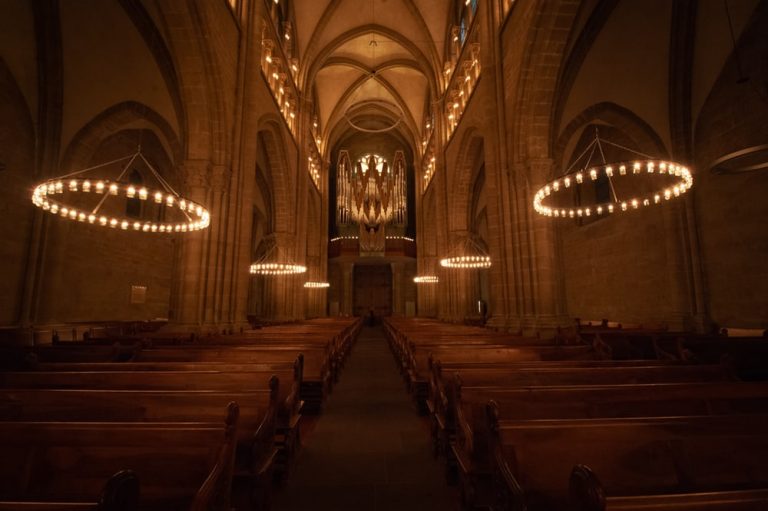
Travel Chaos Rrupts as Italy Quarantines North to Halt Coronavirus

ROME (AP) — Italy announced a sweeping quarantine early Sunday for its northern regions, igniting travel chaos as it restricted the movements of a quarter of its people in a bid to halt the new coronavirus’ relentless march across Europe.

Shortly after midnight, Italian Prime Minister Giuseppe Conte signed a decree affecting 16 million people in the country’s prosperous north, including the Lombardy region and at least 14 provinces in neighboring regions. The extraordinary measures will be in place until April 3.

“For Lombardy and for the other northern provinces that I have listed, there will be a ban for everybody to move in and out of these territories and also within the same territory,” Conte said. “Exceptions will be allowed only for proven professional needs, exceptional cases and health issues.”

Around the world, other countries have been increasingly imitating China – where the virus first emerged late last year — by imposing travel controls and shutting down public events. China has suffered about three-fourths of the world’s 106,000 coronavirus infections and most of its nearly 3,600 deaths.

There was chaos and confusion in the hours before Conte signed the decree, as word leaked to the news media about the planned quarantine. Students at the University of Padua in northern Italy who had been out at bars on a Saturday night saw the rumors on their cellphones and rushed back to their apartments to grab their belongings and head to the train station.

Hundreds of passengers, some wearing face masks and rubber gloves, crammed onto the last local train leaving Padua at 11:30 p.m. Anxious students wrapped scarves around their heads, shared sanitizing gel, and sat on their suitcases in the aisles. No conductor came by to check tickets.

“I read two hours ago that they may be putting out an urgent decree putting Padua in the red zone. Because I would like to return down south to my relatives, I decided to go earlier,” said one student, Roberto Pagliara, who moved up a planned Tuesday departure for his hometown of Puglia in southern Italy.

Italy on Saturday reported its biggest daily increase in coronavirus cases since its outbreak began on Feb. 21. The number of infected people rose 1,247 in the previous 24 hours, taking the total to 5,883. Italy’s death toll rose to 233.

Regional politicians were taken aback by the lockdown. Stefano Bonaccini, president of the Emilia Romagna region, said parts of the decree were confusing. The mayor of Asti, in the Piedmont region, posted an irate video on his Facebook page slamming Rome for not keeping regional leaders in the loop.

“Nobody told me,” Maurizio Rasero screamed, adding that he had hundreds of messages on his cell phone from alarmed citizens. “It’s incredible that information that is so delicate and important would come out in the newspaper first.”

The fate of foreign visitors stuck in red zones in northern Italy was not immediately clear.

The move echoed China’s lockdown of some 60 million people in central Hubei province in late January, which is now in its sixth week. China’s harsh travel restrictions came too late to prevent infected people from seeding outbreaks elsewhere, but the World Health Organization has credited the lockdown with slowing the spread of the virus and “buying the world time” to handle the outbreak.

With a nose-dive in tourist traffic and disruptions to supply chains, stocks got off to another rocky start Sunday as Mideast indexes opened down 6% to 8%.

Around the world, more events and festivals were called off, including the women’s world hockey championships in Canada. Bahrain said its Formula One race this month will take place without spectators over virus fears. Japan’s time-honored grand sumo tournament opened Sunday in Osaka to no fans and wrestlers arrived wearing face masks.

The virus outbreak has left the cruise ship industry in disarray.

The Grand Princess cruise ship, where 21 people have tested positive for the virus, was headed to the port of Oakland, California, after idling off San Francisco for days. There is evidence the ship was the breeding ground for a deadly cluster of almost 20 cases during an earlier voyage.

“Those that will need to be quarantined will be quarantined,” U.S. Vice President Mike Pence said. “Those who will require medical help will receive it.”

The ship, which is carrying more than 3,500 people from 54 countries, is expected to reach Oakland on Monday. According to the ship’s captain, guests who require acute medical treatment will be transported to health care facilities in California; healthy Californians will go into quarantine in state; other U.S. residents will go to quarantines elsewhere; the crew will be quarantined and treated aboard the ship.

Grand Princess Capt. John Smith said he was not yet told what will happen to passengers from other countries.

In Egypt, a cruise ship on the Nile carrying more than 150 people was under quarantine in the southern city of Luxor after 45 people on board tested positive for the virus.

The port of Penang in Malaysia turned away the Costa Fortuna cruise ship because 64 of the 2,000 aboard are from Italy. The ship, which had already been rejected by Thailand, was heading to Singapore.

And in Malta, which reported its first case of the virus Saturday, the MSC Opera ship agreed not to enter the Mediterranean country’s port amid local worries — even though there are no infections suspected on board. The ship continued to Messina, Sicily, where passengers were allowed to disembark.

In the United States, the U.S. Centers for Disease Control and Prevention urged older adults and people with severe medical conditions to “stay home as much as possible” and avoid crowds. A federal official told The Associated Press that the W hite House had overruled health officials who wanted to recommend that elderly and sick Americans not fly on commercial airlines. The U.S. death toll from the virus climbed to 19, with all but three victims in Washington state.

While many scientists said the world is clearly in the grips of a pandemic — a serious global outbreak – the World Health Organization isn’t calling it that yet, saying the word might spook the world further.

“I think it’s pretty clear we’re in a pandemic and I don’t know why WHO is resisting that,” said Michael Osterholm, director of the Center for Infectious Disease Research and Policy at the University of Minnesota.

As of Saturday, nearly 90,000 cases have been reported in Asia; more than 8,000 in Europe; 6,000 in the Mideast; about 450 in North America, Latin America and the Caribbean, and fewer than 50 cases reported so far in Africa.

In Iran, fears over the virus and the government’s waning credibility has become a major challenge to leaders already reeling from American sanctions. More than 1,000 infections were confirmed overnight, bringing the country’s total to 5,823 cases, including 145 deaths.

China on Sunday reported 44 new cases over the past 24 hours, the lowest level since it began publishing nationwide figures on Jan 20, and 27 new fatalities. South Korea reported 272 new cases, taking the total to 7,313, with 50 deaths overall.

The virus has not even spared islands in the middle of the Indian Ocean, with the tiny archipelago nation of the Maldives reporting its two first cases

Copyright 2020. The Associated Press. All rights reserved.

Source CBN

All Content & Images are provided by the acknowledged source
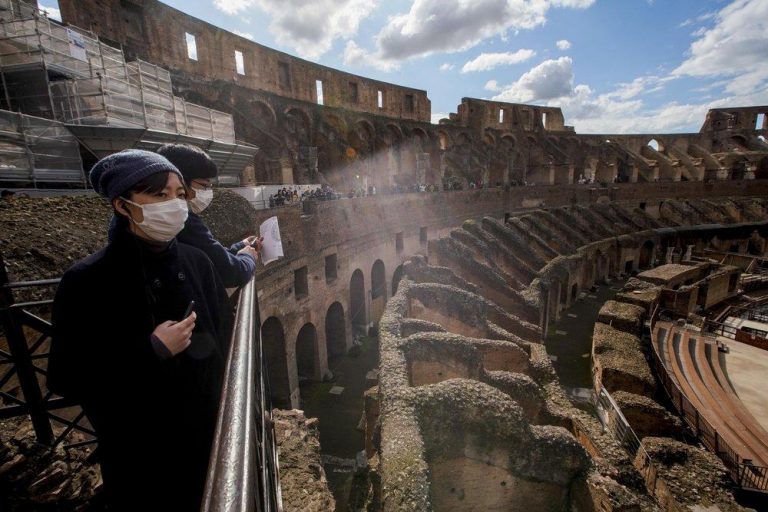
Pray for First Baptist Mt. Juliet

Location: Mt. Juliet, Tennessee

Pastor: Dr. Phillip Dunn

Weekly Worship: Sundays at 8:15 and 10:00 am, Central

Fast Facts: Several large tornados touched down in the Nashville, Tennessee area just after midnight on Tuesday, March 3, 2020 causing a large path of destruction and devastation. One of the tornadoes was on the ground for over 60 miles, destroying churches, schools, houses, and businesses. First Baptist Mt. Juliet was in the path of this powerful storm, and they sustained serious damage to their sanctuary and educational building.

Even in the midst of the devastation to their building, First Baptist is serving those in need in their community. They are using space on their campus as a ministry hub to distribute water, supplies, and assist others with disaster relief. Please pray for Dr. Dunn as he leads the church through the cleanup and recovery process. Pray for the members as they minister to each other and those in the community. Also pray for the church this morning as they meet for services at a local high school.

First Baptist is also home to Mt. Juliet Christian Academy. Please pray for the students and families who have been impacted by the damage to their school facilities. Also pray for the faculty and staff as they make plans for the remainder of the school year.

You can follow First Baptist’s progress and read specific prayer requests here: https://www.facebook.com/firstbaptistMJ/

Website: FBCMJ.org


“Pray for . . .” is the Sunday blog series at ThomRainer.com. We…

… Read More

—

Click here to read the rest of the story from our content source/partners – Thom Rainer.

قالب وردپرس