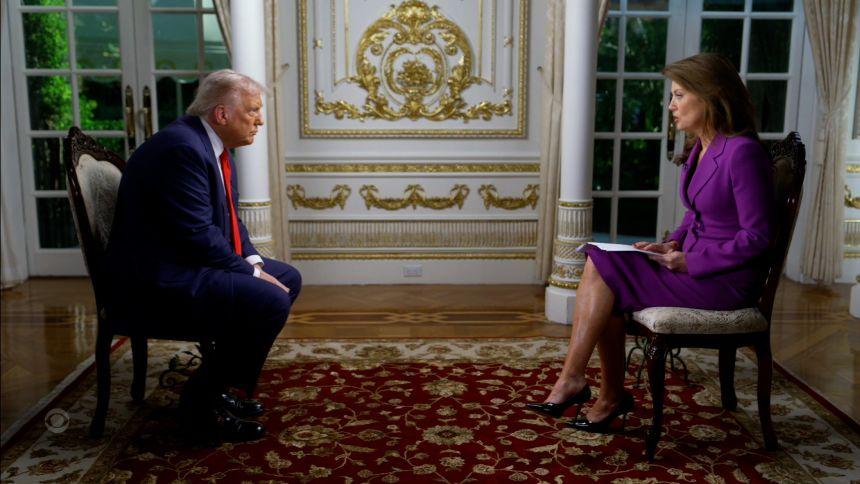
President Donald Trump has sparked renewed discussion about his Christian faith following an interview with Ross Douthat on CBS’s 60 Minutes, which aired on 8 November 2026. During the conversation, Douthat questioned Trump about his understanding of death, eternity and the possibility of going to heaven. Trump described himself as a religious person and said he hoped to enter heaven, adding that he did not want to go to hell. However, when asked whether he could forgive political opponents such as James Comey and Nancy Pelosi, Trump admitted that he probably could not. He maintained that he hated some of his enemies and believed they had treated him unfairly
His comments have attracted criticism and concern among Christian commentators, particularly because forgiveness is a central teaching of Christianity. Al Mohler, president of Southern Baptist Theological Seminary, described Trump’s response as very sad, explaining that genuine forgiveness requires God’s grace and the work of the Holy Spirit in a person’s heart. Mohler also encouraged Christians to pray for the president, emphasising that believers are not inherently better than others simply because they are able to forgive. The discussion has consequently renewed questions about the relationship between political leadership, personal faith and the biblical responsibility to love one’s enemies.
In a separate but equally significant part of the same interview, Trump acknowledged that his administration’s immigration enforcement and deportation policies might have been too tough. Following the Republican Party’s losses in the November 2026 midterm elections, he expressed willingness to work with Democrats on immigration reform, particularly concerning undocumented immigrants who have lived in the United States for years and maintained employment. World Relief President and CEO Myal Greene welcomed the remarks, arguing that deportation policies had harmed families, including people who were lawfully present in the country and children left without the support of their parents. Greene urged political leaders from both parties to pursue reforms that would protect vulnerable families.