
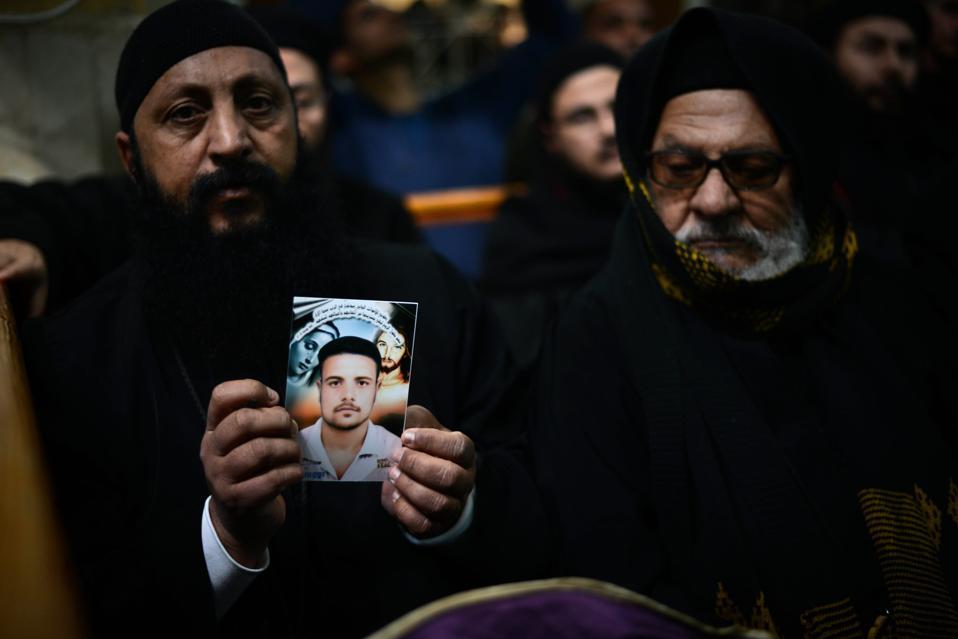
According to accounts provided by his two Muslim companions, who were subsequently released, the militants discovered that Malak was the only Christian among the kidnapped workers. He was allegedly subjected to torture, threats and repeated pressure to renounce Christianity and convert to Islam. His family also reportedly attempted to secure his release by paying a ransom, but the militants refused to release him because of his religious identity. Despite the threats and pressure, Malak reportedly remained committed to his Christian faith until his death. His body was eventually returned to his family, and relatives and fellow Christians gathered to mourn him on 28 October 2026.
His death has drawn renewed attention to the dangers facing Christians in Libya, where religious minorities continue to experience serious threats from extremist groups and armed militants. The incident also recalls the 2015 killing of 21 Christian men, including 20 Egyptians and one Ghanaian, by Islamic State militants in Libya after they refused to renounce their faith. His reported killing serves as another reminder of the vulnerability of migrant workers and religious minorities in areas affected by extremism, insecurity and weak protection for human rights.