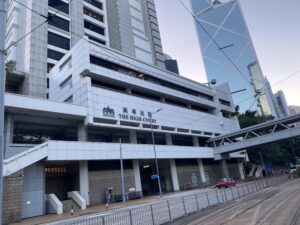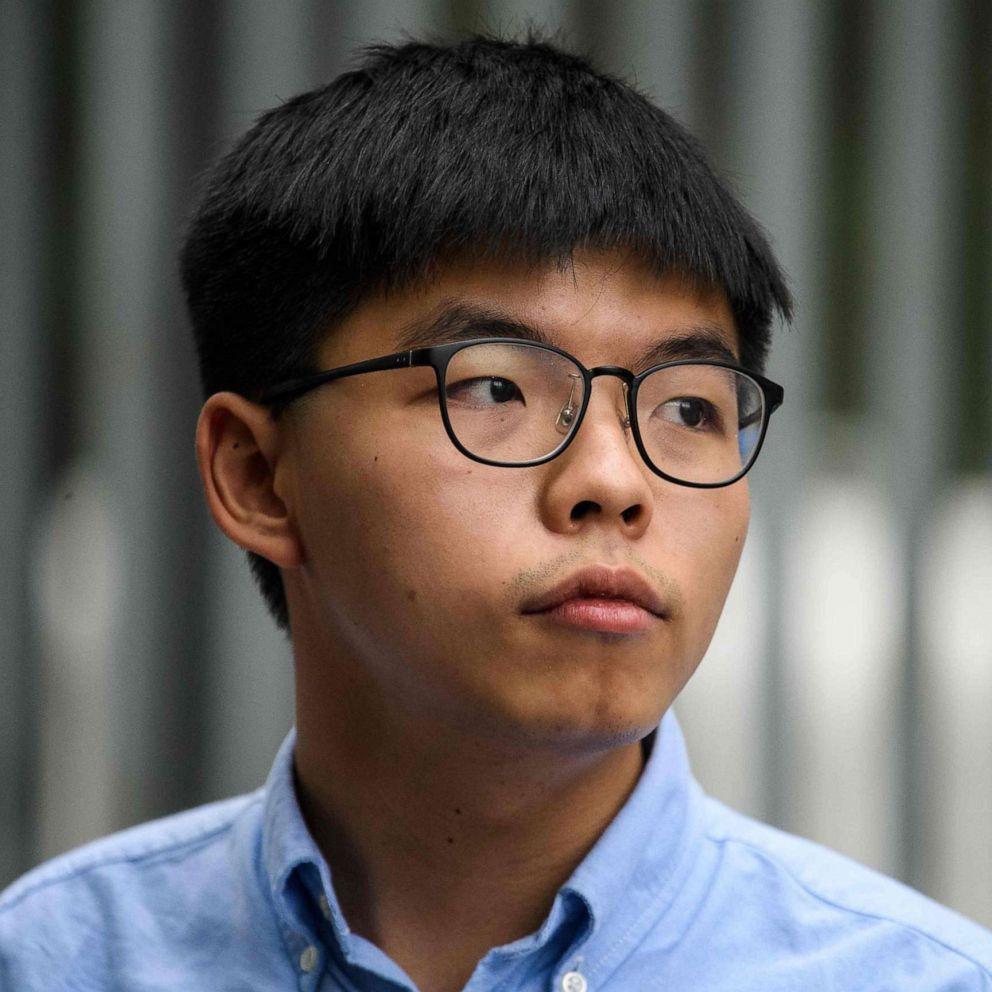
Hong Kong pro-democracy activist Joshua Wong has been sentenced to 10 years in prison after pleading guilty to conspiring to collude with foreign forces under the National Security Law imposed by Beijing in 2020. The sentence was handed down by the High Court on Thursday, 5 November 2026. Wong, now 30, was accused of working with self-exiled activist Nathan Law and others to encourage foreign governments and organisations to impose sanctions, blockades and other measures against Hong Kong and China. Prosecutors presented evidence of his international lobbying activities, including meetings with prominent American politicians. Judge William Tam said the seriousness of the offence required a substantial prison sentence, although Wong’s guilty plea and other mitigating circumstances were taken into consideration.
Wong first became internationally recognised as a teenager when he led campaigns against proposed changes to Hong Kong’s education system in 2012. He later became one of the leading figures of the 2014 Umbrella Movement, which demanded greater democratic freedoms and electoral reforms. He subsequently helped establish Demosisto, a political organisation that advocated greater autonomy and democratic rights for Hong Kong. Following the introduction of the National Security Law in 2020, several pro-democracy organisations were disbanded, while prominent activists were arrested or went into exile. Wong has been in detention since November 2020 and was already serving a prison sentence connected to an earlier national security case. His latest conviction means he will remain behind bars for considerably longer than previously expected.
The sentencing has attracted international attention, with human rights organisations and foreign governments expressing concern about the implications for political freedom and freedom of expression in Hong Kong. Critics argue that the National Security Law has increasingly restricted peaceful political opposition and created an atmosphere of fear among activists and civil society organisations. Chinese and Hong Kong authorities, however, maintain that the legislation is necessary to protect national security and restore stability following the widespread protests of 2019. Wong’s case has therefore become another major point of international debate about the balance between national security and civil liberties. His imprisonment also raises wider questions about the protection of peaceful expression, democratic participation and human rights.