MacKenzie Scott is donating her billions much faster than her ex Jeff Bezos – Vox.com

A year ago, Jeff and MacKenzie Bezos set records with the world’s biggest divorce settlement. On July 28, MacKenzie Bezos (now MacKenzie Scott) announced that she’s spent the time since aiming to set a much more inspiring record — for how fast she can give the money away.

When the couple divorced in 2019, they were splitting the largest personal fortune in history, estimated at the time at about $145 billion. The couple announced a settlement in April 2019 that left Jeff Bezos 75 percent of his Amazon fortune, while Scott departed the marriage with $35 billion, making her at the time of the announcement the third-richest woman in the world (a recent Forbes ranking now has her at fourth).

Right away, Scott indicated that her approach to philanthropy would be profoundly different from the approach she and Bezos had used as a couple. Jeff Bezos’s forays into philanthropy have been limited. While the wealthiest man in the world, he has not signed the Giving Pledge to eventually donate a significant share of his wealth, and he’s donated a far smaller percentage of it than other ultra-wealthy figures like Bill Gates, Mark Zuckerberg, Warren Buffett, or Mike Bloomberg. When he has given, I’ve criticized his approach for a lack of rigor and clarity.

One month after the divorce, Scott signed the Giving Pledge that Bezos never did. “I have a disproportionate amount of money to share,” she wrote in her pledge letter. “I won’t wait. And I will keep at it until the safe is empty.” And it seems like she’s been acting on that declaration.

MacKenzie Scott’s deeply unusual approach to philanthropy

A year later, she has published an update, and it’s an astonishing one. In the past year, she has donated $1.7 billion to 116 organizations working in areas of interest to her, from racial justice and LGBTQ equality to climate change and global health.

All the organizations listed are established nonprofits, selected, Scott says, for their leadership’s “track record of effective management and significant impact in their fields.” The largest area of grants — $586.7 million — went to organizations working on racial equity, an issue where awareness has grown quickly over the past few months amid protests sparked by George Floyd’s killing by Minneapolis police. Other top priorities included economic mobility ($399.5 million), gender equity, public health, and global development (more on these below).

The total amount — $1.7 billion — is obviously just a fraction of her fortune, but it is deeply unusual for billionaires to give away that much money this quickly, especially without a preexisting organization to do grant research and vetting.

Her methods, too, are unusual. “It was a gift that just fell from the sky,” Jorge Valencia, executive director and CEO of one of those 116 organizations, the Point Foundation, told the Chronicle of Philanthropy. The organization, which offers scholarships to LGBTQ+ students, did not apply for a grant and had no connection to Scott.

And while it’s common for philanthropists to give grants that are restricted for a specific purpose, paid out over the course of several years or conditional on various benchmarks for grant success, Scott says she did none of that. “I gave each a contribution and encouraged them to spend it on whatever they believe best serves their efforts. Unless organization leadership requested otherwise, all commitments were paid up front and left unrestricted to provide them with maximum flexibility,” she wrote in her announcement.

“It’s an interesting contrast to the more technocratic giving of the tech billionaires,” Rob Reich, a Stanford philosopher who writes about the role of philanthropy in society, told me.

Another interesting contrast is the way Scott approached publicizing her giving. The announcement two years ago that Jeff Bezos planned to give $2 billion to education and homelessness charities attracted, Reich says, “fanfare with zero follow-up.” Almost two years later, the website for Bezos’s Day One Fund lists just under $200 million in grants, about 10 percent of the amount initially pledged. Half of the initial pledge was for education, and no progress in this area has been officially announced yet (though Bezos has posted updates on Instagram).

In 2020, Bezos announced on Instagram a planned $10 billion in grants to fight climate change through what he called the Bezos Earth Fund. The Bezos Earth Fund has no website. Bezos’s original Instagram post says that grants will start this summer, though they appear to have not yet started.

All this is not unusual (and it doesn’t suggest that Bezos won’t eventually meet his commitments; he has paid out other grants he’s made, including $100 million to Feeding America for coronavirus relief earlier this year). Typically, philanthropic announcements get widespread coverage even if they are substantially in advance of the actual disbursement of money. And in some cases, money is disbursed to donor-advised funds or other instruments, which means they may take even longer to reach recipients. There is nothing wrong with taking your time to make grants if that means the grants do more good — but it’s easy for delays to mean that givers enjoy all the positive publicity of a major grant long before anyone’s life is improved by it.

Scott, by announcing her gifts only after she’d already disbursed all the money, avoids that pitfall — and could offer a glimpse of a new model of how to give, one that is focused on moving money quickly, not attaching any requirements or conditions, and shifting the power dynamics of the philanthropy world.

Does this model of giving work?

Scott’s fast, massive disbursements and other recent experiments in quickly moving large sums of money to where they are needed, with much less review and fewer application steps than in traditional grantmaking, “weakens the case that giving away $1.7 billion is difficult,” Reich said. “There remains a question about whether it’s difficult to do well.”

Giving away money very quickly with a minimal process does have some disadvantages.

Many charitable interventions don’t work, and the differences between the best organizations and the average organizations can be quite large. It’s reasonable that many funders don’t want to take that chance.

But there’s a good argument that at least some funders should be happy to make lots of grants, many of which may disappoint them anyway. Vetting often adds lots of overhead, delays, and communication problems for charities; a faster process that gets money where it’s needed sooner can make a big difference. In some specific fields (say, scientific research), studies have shown that all the effort-intensive work to find the “best” grants is fairly arbitrary; researchers don’t agree with each other’s rankings at all. In a case like that, you might as well just get money out the door, with minimal vetting — as Scott has done.

And in some areas, like coronavirus relief, getting money to people quickly is really important. If it takes months to make a grant and more months for the money to arrive, it may be too late to help. Scott donated to GiveDirectly, a nonprofit that gives people cash, no strings attached, and which has dramatically expanded its operations this year in order to help people around the world deal with the coronavirus crisis.

Scott’s team reached out to GiveDirectly after having already done their research, GiveDirectly’s managing director Joe Huston told me. Very little staff time was tied up in making the donation happen. (The nonprofit tracks how many resources are expended per dollar raised and said that Scott’s gift was one of the lowest-scoring, on that metric, they could remember.) The money arrived in early June, and 95 percent of it was sent out to recipients within 10 days.

“The pandemic is giving donors experience in handing over the reins in philanthropy,” Huston told me, so that help can reach people as fast as it’s needed. “My hope is that when people are just looking to help, they’ll start with that in general.”

There are other pitfalls to trying to give away money quickly, though Scott avoided many of the biggest ones. Lots of donors making large gifts gravitate toward targets like Stanford, Harvard, or MIT — big research universities with well-staffed donor relations departments that can absorb enormous gifts. (“For the love of God, rich people, stop giving Ivy League colleges money,” my colleague Dylan Matthews wrote after one such mega-gift, and I agree.) Scott donated to several historically Black colleges and universities; in each case, her donation of $20 million to $40 million was the largest single donation in the school’s history.

The money will help ”lift the financial burden off of deserving students and help make ends meet so they can focus on graduating on time,” Howard University said in a statement. “This pure act of benevolence is clearly a game-changer and it could not have come at a better time,” Hampton president William R. Harvey told the HBCU Digest.

In general, picking organizations run by people affected firsthand by the injustices Scott targeted was a priority. “On this list, 91 percent of the racial-equity organizations are run by leaders of color, 100 percent of the LGBTQ+ equity organizations are run by LGBTQ+ leaders, and 83 percent of the gender-equity organizations are run by women, bringing lived experience to solutions for imbalanced social systems,” she wrote in her note announcing the gifts.

That fact might provide a useful lens for evaluating her donations. MacKenzie Scott does not know how to solve racial justice, women’s rights, or LGBTQ+ equality. She just happens to, unlike most of us, be in possession of $35 billion, and so she decided that if she gave much of that money to Black activists and LGBTQ+ activists and women’s activists, probably they would be better suited than she is to figure out how the money could be spent to solve those problems.

The same theme recurs in Scott’s letter and in nonprofits’ descriptions of her process. There wasn’t very much vetting because Scott does not particularly expect that she’s better at vetting than these organizations are. There weren’t restrictions on the grants because Scott does not particularly believe she’s more suited than the recipients to guess what restrictions would be useful. She is “trusting the leaders of the organizations chosen,” Reich told me, “with a very deliberate eye toward leaders with the lived experience of the work they’re doing.”

There’s something deeply inspiring about that. I am in favor of philanthropists putting in the work to identify the most effective approaches to social problems and direct their money with precision where it will do the most good, when they have the resources to do that. I think that work is often well worth the effort.

“There’s room for the bigger foundations, the Bill and Melinda Gates Foundation, that kind of heavyweight model,” Huston told me when I asked whether more philanthropists should be imitating Scott. “But I’m glad there’s more examples, like [MacKenzie] Bezos, like Twitter’s Jack Dorsey,” where philanthropists make donation decisions quickly and trust the decision-making to others.

If you have $35 billion, that fact does not in itself make you qualified to figure out how to fix the world — and if you think that other people are more qualified, you might decide the best plan is to just shovel the money out the door so they can run with it. That seems to be MacKenzie Scott’s approach to philanthropy so far — and a society grappling with the role of billionaires in our world and in our giving should be watching.

Sign up for the Future Perfect newsletter and we’ll send you a roundup of ideas and solutions for tackling the world’s biggest challenges — and how to get better at doing good.


Support Vox’s explanatory journalism

Every day at Vox, we aim to answer your most important questions and provide you, and our audience around the world, with information that has the power to save lives. Our mission has never been more vital than it is in this moment: to empower you through understanding. Vox’s work is reaching more people than ever, but our distinctive brand of explanatory journalism takes resources — particularly during a pandemic and an economic downturn. Your financial contribution will not constitute a donation, but it will enable our staff to continue to offer free articles, videos, and podcasts at the quality and volume that this moment requires. Please consider making a contribution to Vox today.

Is It Time to Buy the Dow Jones 3 Worst-Performing July Stocks? – Motley Fool

Beaten-down stocks are often tempting as an investment, particularly when they’re blue chips. Quality always (eventually) shines through. Investors thinking about stepping into the Dow Jones Industrial Average’s worst-performing components from July right now, however, may want to think twice about it — and then decide not to.

These stocks are down for reasons bigger than just a little volatility, ill-timed bad luck, or knee-jerk reactions from investors. Now into the sixth month of COVID-19’s invasion of the United States and the ninth month since it was first recognized as a deadly disease, it’s starting to become clear some companies face headaches well beyond the temporary ones put in place by the coronavirus.

Metallic dice with "buy" and "sell" printed on them, laying on top of a stock chart

Image source: Getty Images.

Three losers of the DJIA

If you’re wondering, the DJIA tickers in question are Intel (NASDAQ:INTC), Boeing (NYSE:BA), and Raytheon Technologies (NYSE:RTX) — all well-founded stalwarts that will certainly be around years from now, but also all names that have been sold off for a reason. That is, their revival isn’t exactly imminent.

Intel’s setback was largely driven by another round of familiar bad news. It is experiencing more research and development delays that were partially prodded by the coronavirus outbreak this time around.

The tech company has been repeatedly plagued by problems with its 7-nanometer (nm) CPU foundry technology, while rival CPU maker Advanced Micro Devices already sells 7nm processors. It’s still not clear when Intel might come to the market with a competing chip either, as the company warned yet again on its recent second-quarter conference call that its 7nm CPU timeline had been extended. COVID-19 made it tough to get much done on this front. That news alone was enough to upend the stock, yet just a few days later, news that now-former chief engineer Murthy Renduchintala would be leaving only fanned those bearish flames.

All told, Intel shares fell 20% in July, with investors perhaps now wondering if there’s a far bigger fundamental flaw in how the company’s been planning and managing product development. That’s much tougher to fix than a mere retooling.

Boeing didn’t slide nearly as much as Intel did, but its stock’s 11% loss last month is hardly modest given the Dow’s 19% gain for July.

The company’s relatively new 737 MAX jets were once touted as game-changing. A couple of catastrophic crashes shortly after they went into service in 2019, however, forced most regulators of the world’s airspace to ground the plane until its problems were solved. Boeing’s engineers have seemingly made some measurable progress, with the FAA in 2020 nearing a renewed assessment of the aircraft’s airworthiness.

A recertification may not be enough, though. Airlines are now experiencing weakened demand for air travel thanks to COVID-19, and it’s not inconceivable many are still worried there could be something else wrong with the 737 MAX that’s yet to be realized. Between the two headwinds, more than 350 orders for the aircraft were canceled during the first half of this year. There’s no clarity as to when or even if those canceled orders will be replaced, either.

Finally, Raytheon’s 10% tumble in July isn’t harrowing, but it’s certainly not dismissible.

To its credit, the company topped its second-quarter earnings and revenue estimates when the numbers were reported on Tuesday. The problem is those numbers were well down on year-over-year basis, reminding the market that the same weakening demand for Boeing’s jets also means waning demand for related aircraft components that Raytheon produces.

Read between the lines

In some regards, being an investor in March was easy: Assume all companies are going to be hit hard. The late-February/early March sell-off was pretty indiscriminate, dragging most everything lower. In a similar sense, the rally from March’s low to current levels was also a rather sweeping one, steering most stocks and most investment categories higher. It was difficult not to do well no matter how you played the market.

As July turns into August though, clarity is starting to bloom.

Take a closer look at the reasons these three names suffered last month while most other Dow Jones stocks didn’t. Every company struggled when the coronavirus was new, including these three. Only certain companies will continue to struggle in the aftermath of the pandemic, though. Air travel looks like one of those industries set for prolonged turbulence. Even as COVID-19 seems to fade away, the public may remain worried about sitting in a confined space for so long with so many other people. Passage through an airport terminal isn’t exactly a germ-free experience, either. The aircraft headwind could last a while. This is the outbreak’s ripple effect.

As for Intel, the coronavirus didn’t cause its problems, but it certainly exposed and exacerbated them. Its research and development process will get back to normal at some point in the near future, but Intel’s “normal” isn’t necessarily great. Its new leadership structure will require time to reset, but time is the one thing Intel doesn’t really have to give.

It’s not just Raytheon, Intel, and Boeing, though. Unlike most points between March and now, investors now know why they’re bidding a stock up or sending it lower. It’s not mere panic or fear of missing out. If a stock’s down, it’s probably down for a reason. It would be wise to start taking the market’s hints instead of merely buying the dips and selling the rips. We’re just not in that kind of volatile, easily reversed environment anymore.

5 ways the coronavirus changed how we eat fast food – CNN

‘);$vidEndSlate.removeClass(‘video__end-slate–inactive’).addClass(‘video__end-slate–active’);}};CNN.autoPlayVideoExist = (CNN.autoPlayVideoExist === true) ? true : false;var configObj = {thumb: ‘none’,video: ‘business/2020/03/04/fast-food-breakfast-wendys-mcdonalds-orig.cnn’,width: ‘100%’,height: ‘100%’,section: ‘international’,profile: ‘expansion’,network: ‘cnn’,markupId: ‘large-media_0’,adsection: ‘const-article-carousel-pagetop’,frameWidth: ‘100%’,frameHeight: ‘100%’,posterImageOverride: {“mini”:{“width”:220,”type”:”jpg”,”uri”:”//cdn.cnn.com/cnnnext/dam/assets/200204170525-20200204-wendys-breakfast-menu-small-169.jpg”,”height”:124},”xsmall”:{“width”:300,”type”:”jpg”,”uri”:”//cdn.cnn.com/cnnnext/dam/assets/200204170525-20200204-wendys-breakfast-menu-medium-plus-169.jpg”,”height”:173},”small”:{“width”:460,”type”:”jpg”,”uri”:”//cdn.cnn.com/cnnnext/dam/assets/200204170525-20200204-wendys-breakfast-menu-large-169.jpg”,”height”:259},”medium”:{“width”:780,”type”:”jpg”,”uri”:”//cdn.cnn.com/cnnnext/dam/assets/200204170525-20200204-wendys-breakfast-menu-exlarge-169.jpg”,”height”:438},”large”:{“width”:1100,”type”:”jpg”,”uri”:”//cdn.cnn.com/cnnnext/dam/assets/200204170525-20200204-wendys-breakfast-menu-super-169.jpg”,”height”:619},”full16x9″:{“width”:460,”type”:”jpg”,”uri”:”//cdn.cnn.com/cnnnext/dam/assets/200204170525-20200204-wendys-breakfast-menu-full-169.jpg”,”height”:259},”mini1x1″:{“width”:100,”type”:”jpg”,”uri”:”//cdn.cnn.com/cnnnext/dam/assets/200204170525-20200204-wendys-breakfast-menu-small-11.jpg”,”height”:100}}},autoStartVideo = false,isVideoReplayClicked = false,callbackObj,containerEl,currentVideoCollection = [{“title”:”Why fast food is going big on breakfast”,”duration”:”00:46″,”sourceName”:”CNN”,”sourceLink”:””,”videoCMSUrl”:”/video/data/3.0/video/business/2020/03/04/fast-food-breakfast-wendys-mcdonalds-orig.cnn/index.xml”,”videoId”:”business/2020/03/04/fast-food-breakfast-wendys-mcdonalds-orig.cnn”,”videoImage”:”//cdn.cnn.com/cnnnext/dam/assets/200204170525-20200204-wendys-breakfast-menu-large-169.jpg”,”videoUrl”:”/videos/business/2020/03/04/fast-food-breakfast-wendys-mcdonalds-orig.cnn/video/playlists/business-fast-food/”,”description”:”Chains like Wendy’s, McDonald’s, and Panera are rolling out expanded breakfast menus to lure customers. It’s a battle to own breakfast, one of the only growth opportunities in fast food. “,”descriptionText”:”Chains like Wendy’s, McDonald’s, and Panera are rolling out expanded breakfast menus to lure customers. It’s a battle to own breakfast, one of the only growth opportunities in fast food. “},{“title”:”This small business stood for a century, but Covid-19 closed it in months”,”duration”:”02:45″,”sourceName”:”CNNBusiness”,”sourceLink”:””,”videoCMSUrl”:”/video/data/3.0/video/business/2020/07/30/small-businesses-restaurants-economy-unemployment-covid-19.cnnbusiness/index.xml”,”videoId”:”business/2020/07/30/small-businesses-restaurants-economy-unemployment-covid-19.cnnbusiness”,”videoImage”:”//cdn.cnn.com/cnnnext/dam/assets/200730122220-gem-spa-closed-large-169.jpg”,”videoUrl”:”/videos/business/2020/07/30/small-businesses-restaurants-economy-unemployment-covid-19.cnnbusiness/video/playlists/business-fast-food/”,”description”:”Gem Spa – a corner store in New York’s East Village – is one of thousands of small businesses in the US shuttered by the pandemic. CNN’s Vanessa Yurkevich reports.”,”descriptionText”:”Gem Spa – a corner store in New York’s East Village – is one of thousands of small businesses in the US shuttered by the pandemic. CNN’s Vanessa Yurkevich reports.”},{“title”:”McDonald’s sales plummet in dismal quarter”,”duration”:”01:43″,”sourceName”:”CNNBusiness”,”sourceLink”:””,”videoCMSUrl”:”/video/data/3.0/video/business/2020/07/28/mcdonalds-second-quarter-earnings.cnnbusiness/index.xml”,”videoId”:”business/2020/07/28/mcdonalds-second-quarter-earnings.cnnbusiness”,”videoImage”:”//cdn.cnn.com/cnnnext/dam/assets/200728081850-02-mcdonalds-us-restaurant-large-169.jpg”,”videoUrl”:”/videos/business/2020/07/28/mcdonalds-second-quarter-earnings.cnnbusiness/video/playlists/business-fast-food/”,”description”:”McDonald’s revenue sank 30% in the second quarter compared to a year ago. CNN’s Clare Sebastian reports.”,”descriptionText”:”McDonald’s revenue sank 30% in the second quarter compared to a year ago. CNN’s Clare Sebastian reports.”},{“title”:”Cheez-It releases limited-edition box with wine pairing”,”duration”:”00:49″,”sourceName”:”HLN”,”sourceLink”:”https://www.cnn.com/specials/videos/hln”,”videoCMSUrl”:”/video/data/3.0/video/business/2020/07/22/cheez-it-house-wine-pairing-mxp-vpx.hln/index.xml”,”videoId”:”business/2020/07/22/cheez-it-house-wine-pairing-mxp-vpx.hln”,”videoImage”:”//cdn.cnn.com/cnnnext/dam/assets/190722151051-wine-and-cheez-it-large-169.jpg”,”videoUrl”:”/videos/business/2020/07/22/cheez-it-house-wine-pairing-mxp-vpx.hln/video/playlists/business-fast-food/”,”description”:”Kellogg’s Cheez-It and House Wine have teamed up to create a u003ca href=”https://www.cnn.com/2019/07/23/business/cheez-it-wine/index.html” target=”_blank”>wine-and-Cheez-It boxu003c/a>. HLN’s u003ca href=”https://www.cnn.com/profiles/robin-meade” target=”_blank”>Robin Meadeu003c/a> and u003ca href=”https://www.cnn.com/profiles/melissa-knowles” target=”_blank”>Melissa Knowlesu003c/a> discuss.”,”descriptionText”:”Kellogg’s Cheez-It and House Wine have teamed up to create a u003ca href=”https://www.cnn.com/2019/07/23/business/cheez-it-wine/index.html” target=”_blank”>wine-and-Cheez-It boxu003c/a>. HLN’s u003ca href=”https://www.cnn.com/profiles/robin-meade” target=”_blank”>Robin Meadeu003c/a> and u003ca href=”https://www.cnn.com/profiles/melissa-knowles” target=”_blank”>Melissa Knowlesu003c/a> discuss.”},{“title”:”Watch Ja Rule’s outlandish restaurant ad”,”duration”:”01:19″,”sourceName”:”CNN”,”sourceLink”:”http://www.cnn.com”,”videoCMSUrl”:”/video/data/3.0/video/business-videos/2020/06/22/ja-rule-papa-cristos-greek-restaurant-commercial-orig-kj.cnn/index.xml”,”videoId”:”business-videos/2020/06/22/ja-rule-papa-cristos-greek-restaurant-commercial-orig-kj.cnn”,”videoImage”:”//cdn.cnn.com/cnnnext/dam/assets/200622140954-ja-rule-greek-commercial-thumbnail-large-169.jpg”,”videoUrl”:”/videos/business-videos/2020/06/22/ja-rule-papa-cristos-greek-restaurant-commercial-orig-kj.cnn/video/playlists/business-fast-food/”,”description”:”Rapper Ja Rule created the commercial as part of his appearance on the new TV show “Celebrity Show-Off.””,”descriptionText”:”Rapper Ja Rule created the commercial as part of his appearance on the new TV show “Celebrity Show-Off.””},{“title”:”CEO fears Japan could lose a fifth of its restaurants “,”duration”:”01:54″,”sourceName”:”CNN”,”sourceLink”:”http://edition.cnn.com”,”videoCMSUrl”:”/video/data/3.0/video/business/2020/06/16/japan-suntory-holdings-ceo-intv-coronavirus-enjoji-dnt-vpx.cnn/index.xml”,”videoId”:”business/2020/06/16/japan-suntory-holdings-ceo-intv-coronavirus-enjoji-dnt-vpx.cnn”,”videoImage”:”//cdn.cnn.com/cnnnext/dam/assets/200617100408-suntory-holdings-ceo-large-169.jpg”,”videoUrl”:”/videos/business/2020/06/16/japan-suntory-holdings-ceo-intv-coronavirus-enjoji-dnt-vpx.cnn/video/playlists/business-fast-food/”,”description”:”CNN’s Kaori Enjoji speaks with Takeshi Niinami, CEO of Suntory Holdings – one of Japan’s largest beverage makers – about the future of the country’s food industry during the coronavirus pandemic. “,”descriptionText”:”CNN’s Kaori Enjoji speaks with Takeshi Niinami, CEO of Suntory Holdings – one of Japan’s largest beverage makers – about the future of the country’s food industry during the coronavirus pandemic. “},{“title”:”Danny Meyer: Opening restaurants will require confidence”,”duration”:”04:54″,”sourceName”:”CNN Business”,”sourceLink”:””,”videoCMSUrl”:”/video/data/3.0/video/business/2020/05/26/danny-meyer-restaurants-coronavirus.cnn-business/index.xml”,”videoId”:”business/2020/05/26/danny-meyer-restaurants-coronavirus.cnn-business”,”videoImage”:”//cdn.cnn.com/cnnnext/dam/assets/200526122259-danny-meyer-large-169.jpg”,”videoUrl”:”/videos/business/2020/05/26/danny-meyer-restaurants-coronavirus.cnn-business/video/playlists/business-fast-food/”,”description”:”Union Square Hospitality Group CEO Danny Meyer says the restaurant industry is facing a “tough road” in recovering from the pandemic. He tells CNN’s Poppy Harlow the return to safe dining “is not going to be an immediate light switch.””,”descriptionText”:”Union Square Hospitality Group CEO Danny Meyer says the restaurant industry is facing a “tough road” in recovering from the pandemic. He tells CNN’s Poppy Harlow the return to safe dining “is not going to be an immediate light switch.””},{“title”:”Thomas Keller on PPP loans: One size doesn’t fit all”,”duration”:”04:17″,”sourceName”:”CNN Business”,”sourceLink”:””,”videoCMSUrl”:”/video/data/3.0/video/business/2020/05/20/restaurant-industry-ppp-loans-thomas-keller.cnn-business/index.xml”,”videoId”:”business/2020/05/20/restaurant-industry-ppp-loans-thomas-keller.cnn-business”,”videoImage”:”//cdn.cnn.com/cnnnext/dam/assets/200520111443-thomas-keller-large-169.jpg”,”videoUrl”:”/videos/business/2020/05/20/restaurant-industry-ppp-loans-thomas-keller.cnn-business/video/playlists/business-fast-food/”,”description”:”Chef and restauranteur Thomas Keller talks with CNN’s Poppy Harlow about the challenges of reopening restaurants.”,”descriptionText”:”Chef and restauranteur Thomas Keller talks with CNN’s Poppy Harlow about the challenges of reopening restaurants.”},{“title”:”Here’s where meat prices are headed”,”duration”:”03:32″,”sourceName”:”CNN Business”,”sourceLink”:””,”videoCMSUrl”:”/video/data/3.0/video/business/2020/06/08/meat-prices-covid-19-coronavirus-explr-zw-orig.cnn-business/index.xml”,”videoId”:”business/2020/06/08/meat-prices-covid-19-coronavirus-explr-zw-orig.cnn-business”,”videoImage”:”//cdn.cnn.com/cnnnext/dam/assets/200504080921-us-grocery-store-meat-section-0428-large-169.jpg”,”videoUrl”:”/videos/business/2020/06/08/meat-prices-covid-19-coronavirus-explr-zw-orig.cnn-business/video/playlists/business-fast-food/”,”description”:”Prices at the grocery store have risen sharply during the pandemic. CNN Business explains what’s gone up, and what to expect in your future visits to the supermarket.”,”descriptionText”:”Prices at the grocery store have risen sharply during the pandemic. CNN Business explains what’s gone up, and what to expect in your future visits to the supermarket.”},{“title”:”Farmers forced to dump dairy team up with local food bank”,”duration”:”02:58″,”sourceName”:”CNN”,”sourceLink”:”https://www.cnn.com/”,”videoCMSUrl”:”/video/data/3.0/video/business/2020/05/23/new-york-dairy-farmers-food-bank-food-supply-chain-gingras-pkg-vpx.cnn/index.xml”,”videoId”:”business/2020/05/23/new-york-dairy-farmers-food-bank-food-supply-chain-gingras-pkg-vpx.cnn”,”videoImage”:”//cdn.cnn.com/cnnnext/dam/assets/200523191243-ny-dairy-farmers-large-169.jpg”,”videoUrl”:”/videos/business/2020/05/23/new-york-dairy-farmers-food-bank-food-supply-chain-gingras-pkg-vpx.cnn/video/playlists/business-fast-food/”,”description”:”As Covid-19 disrupts parts of the US food supply chain, some farmers and food banks are teaming up to make sure excess product doesn’t go to waste.”,”descriptionText”:”As Covid-19 disrupts parts of the US food supply chain, some farmers and food banks are teaming up to make sure excess product doesn’t go to waste.”},{“title”:”How beer delivery saved this Seattle pizza chain”,”duration”:”01:32″,”sourceName”:”CNN Business”,”sourceLink”:”http://www.cnn.com”,”videoCMSUrl”:”/video/data/3.0/video/business/2020/05/22/fresh-money-zeeks-pizza-dan-black-orig-jg.cnn-business/index.xml”,”videoId”:”business/2020/05/22/fresh-money-zeeks-pizza-dan-black-orig-jg.cnn-business”,”videoImage”:”//cdn.cnn.com/cnnnext/dam/assets/200522084700-zeeks-pizza-05-large-169.jpg”,”videoUrl”:”/videos/business/2020/05/22/fresh-money-zeeks-pizza-dan-black-orig-jg.cnn-business/video/playlists/business-fast-food/”,”description”:”Zeeks Pizza is keeping the u003ca href=”http://www.cnn.com/2020/05/22/business/zeeks-pizza-chain-saved-by-beer/index.html” target=”_blank”>great American tradition of pizza and beeru003c/a> alive, while also saving its business during the pandemic.”,”descriptionText”:”Zeeks Pizza is keeping the u003ca href=”http://www.cnn.com/2020/05/22/business/zeeks-pizza-chain-saved-by-beer/index.html” target=”_blank”>great American tradition of pizza and beeru003c/a> alive, while also saving its business during the pandemic.”},{“title”:”Food bank demand skyrockets as supplies dwindle “,”duration”:”02:59″,”sourceName”:”CNN”,”sourceLink”:”http://cnn.com/”,”videoCMSUrl”:”/video/data/3.0/video/business/2020/04/29/food-bank-shortage-demand-high-carroll-dnt-newday-vpx.cnn/index.xml”,”videoId”:”business/2020/04/29/food-bank-shortage-demand-high-carroll-dnt-newday-vpx.cnn”,”videoImage”:”//cdn.cnn.com/cnnnext/dam/assets/200428164426-arkansas-foodbank-large-169.jpg”,”videoUrl”:”/videos/business/2020/04/29/food-bank-shortage-demand-high-carroll-dnt-newday-vpx.cnn/video/playlists/business-fast-food/”,”description”:”With Covid-19 shuttering many workplaces and causing problems in the US food supply chain, many food banks are trying to balance massively increasing demand with limited supply. CNN’s u003ca href=”https://www.cnn.com/profiles/jason-carroll-profile” target=”_blank”>Jason Carroll u003c/a>reports.”,”descriptionText”:”With Covid-19 shuttering many workplaces and causing problems in the US food supply chain, many food banks are trying to balance massively increasing demand with limited supply. CNN’s u003ca href=”https://www.cnn.com/profiles/jason-carroll-profile” target=”_blank”>Jason Carroll u003c/a>reports.”},{“title”:”Hundreds of people lined up outside of Vegas casino for food”,”duration”:”02:31″,”sourceName”:”CNN”,”sourceLink”:”https://www.cnn.com/”,”videoCMSUrl”:”/video/data/3.0/video/business/2020/04/30/las-vegas-food-lines-casinos-closed-covid-19-pkg-ebof-lah-vpx.cnn/index.xml”,”videoId”:”business/2020/04/30/las-vegas-food-lines-casinos-closed-covid-19-pkg-ebof-lah-vpx.cnn”,”videoImage”:”//cdn.cnn.com/cnnnext/dam/assets/200429223528-lah-pkg-las-vegas-cars-large-169.jpg”,”videoUrl”:”/videos/business/2020/04/30/las-vegas-food-lines-casinos-closed-covid-19-pkg-ebof-lah-vpx.cnn/video/playlists/business-fast-food/”,”description”:”Laid-off workers are lining up in front of a Las Vegas casino to get food, as a result of the economic crisis caused by the coronavirus pandemic. CNN’s u003ca href=”/profiles/kyung-lah-profile” target=”_blank”>Kyung Lahu003c/a> reports. “,”descriptionText”:”Laid-off workers are lining up in front of a Las Vegas casino to get food, as a result of the economic crisis caused by the coronavirus pandemic. CNN’s u003ca href=”/profiles/kyung-lah-profile” target=”_blank”>Kyung Lahu003c/a> reports. “},{“title”:”How meat plant closures could impact consumers”,”duration”:”02:46″,”sourceName”:”CNN”,”sourceLink”:”https://www.cnn.com/”,”videoCMSUrl”:”/video/data/3.0/video/business/2020/04/27/meat-plants-suspend-operations-food-supply-chain-lead-gallagher-vpx.cnn/index.xml”,”videoId”:”business/2020/04/27/meat-plants-suspend-operations-food-supply-chain-lead-gallagher-vpx.cnn”,”videoImage”:”//cdn.cnn.com/cnnnext/dam/assets/200420143421-grocery-masks-large-169.jpg”,”videoUrl”:”/videos/business/2020/04/27/meat-plants-suspend-operations-food-supply-chain-lead-gallagher-vpx.cnn/video/playlists/business-fast-food/”,”description”:”CNN’su003ca href=”/profiles/jake-tapper-profile” target=”_blank”> Jake Tapperu003c/a> speaks tou003ca href=”/profiles/dianne-gallagher-profile” target=”_blank”> Dianne Gallagheru003c/a> regarding the latest on meat plant closures in the US and the effects this has on livestock and meat production. “,”descriptionText”:”CNN’su003ca href=”/profiles/jake-tapper-profile” target=”_blank”> Jake Tapperu003c/a> speaks tou003ca href=”/profiles/dianne-gallagher-profile” target=”_blank”> Dianne Gallagheru003c/a> regarding the latest on meat plant closures in the US and the effects this has on livestock and meat production. “},{“title”:”Why dairy farmers are dumping perfectly good milk”,”duration”:”01:49″,”sourceName”:”WEWS”,”sourceLink”:””,”videoCMSUrl”:”/video/data/3.0/video/business/2020/04/13/dairy-farmers-dumping-milk-coronavirus.wews/index.xml”,”videoId”:”business/2020/04/13/dairy-farmers-dumping-milk-coronavirus.wews”,”videoImage”:”//cdn.cnn.com/cnnnext/dam/assets/200413112603-dairy-farmers-milk-dumping-cows-large-169.jpg”,”videoUrl”:”/videos/business/2020/04/13/dairy-farmers-dumping-milk-coronavirus.wews/video/playlists/business-fast-food/”,”description”:”Some dairy farmers say they are being forced to dump milk since demand has shrunk during the coronavirus pandemic.”,”descriptionText”:”Some dairy farmers say they are being forced to dump milk since demand has shrunk during the coronavirus pandemic.”},{“title”:”Global food supply chain at risk due to pandemic”,”duration”:”02:24″,”sourceName”:”CNN”,”sourceLink”:”https://www.cnn.com/”,”videoCMSUrl”:”/video/data/3.0/video/business/2020/04/08/coronavirus-covid-19-food-supply-chain-defterios-pkg-intl-hnk-vpx.cnn/index.xml”,”videoId”:”business/2020/04/08/coronavirus-covid-19-food-supply-chain-defterios-pkg-intl-hnk-vpx.cnn”,”videoImage”:”//cdn.cnn.com/cnnnext/dam/assets/200408160147-japan-empty-shelf-large-169.jpg”,”videoUrl”:”/videos/business/2020/04/08/coronavirus-covid-19-food-supply-chain-defterios-pkg-intl-hnk-vpx.cnn/video/playlists/business-fast-food/”,”description”:”The food industry is struggling to cope with the impact of the Covid-19 pandemic. Restrictions on transportation links that move food around the globe are at risk. u003ca href=”http://www.cnn.com/profiles/john-defterios” target=”_blank”>CNN’s John Defteriosu003c/a> reports. “,”descriptionText”:”The food industry is struggling to cope with the impact of the Covid-19 pandemic. Restrictions on transportation links that move food around the globe are at risk. u003ca href=”http://www.cnn.com/profiles/john-defterios” target=”_blank”>CNN’s John Defteriosu003c/a> reports. “}],currentVideoCollectionId = ”,isLivePlayer = false,mediaMetadataCallbacks,mobilePinnedView = null,moveToNextTimeout,mutePlayerEnabled = false,nextVideoId = ”,nextVideoUrl = ”,turnOnFlashMessaging = false,videoPinner,videoEndSlateImpl;if (CNN.autoPlayVideoExist === false) {autoStartVideo = true;if (autoStartVideo === true) {if (turnOnFlashMessaging === true) {autoStartVideo = false;containerEl = jQuery(document.getElementById(configObj.markupId));CNN.VideoPlayer.showFlashSlate(containerEl);} else {CNN.autoPlayVideoExist = true;}}}configObj.autostart = CNN.Features.enableAutoplayBlock ? false : autoStartVideo;CNN.VideoPlayer.setPlayerProperties(configObj.markupId, autoStartVideo, isLivePlayer, isVideoReplayClicked, mutePlayerEnabled);CNN.VideoPlayer.setFirstVideoInCollection(currentVideoCollection, configObj.markupId);var videoHandler = {},isFeaturedVideoCollectionHandlerAvailable = (CNN !== undefined &&CNN.VIDEOCLIENT !== undefined &&CNN.VIDEOCLIENT.FeaturedVideoCollectionHandler !== undefined);if (!isFeaturedVideoCollectionHandlerAvailable) {CNN.INJECTOR.executeFeature(‘videx’).done(function () {jQuery.ajax({dataType: ‘script’,cache: true,url: ‘//edition.i.cdn.cnn.com/.a/2.226.0/js/featured-video-collection-player.min.js’}).done(function () {initializeVideoAndCollection();}).fail(function () {throw ‘Unable to fetch /js/featured-video-collection-player.min.js’;});}).fail(function () {throw ‘Unable to fetch the videx bundle’;});}function initializeVideoAndCollection() {videoHandler = new CNN.VIDEOCLIENT.FeaturedVideoCollectionHandler(configObj.markupId,”cn-featured-1ynfz44″,’js-video_description-featured-1ynfz44′,[{“title”:”Why fast food is going big on breakfast”,”duration”:”00:46″,”sourceName”:”CNN”,”sourceLink”:””,”videoCMSUrl”:”/video/data/3.0/video/business/2020/03/04/fast-food-breakfast-wendys-mcdonalds-orig.cnn/index.xml”,”videoId”:”business/2020/03/04/fast-food-breakfast-wendys-mcdonalds-orig.cnn”,”videoImage”:”//cdn.cnn.com/cnnnext/dam/assets/200204170525-20200204-wendys-breakfast-menu-large-169.jpg”,”videoUrl”:”/videos/business/2020/03/04/fast-food-breakfast-wendys-mcdonalds-orig.cnn/video/playlists/business-fast-food/”,”description”:”Chains like Wendy’s, McDonald’s, and Panera are rolling out expanded breakfast menus to lure customers. It’s a battle to own breakfast, one of the only growth opportunities in fast food. “,”descriptionText”:”Chains like Wendy’s, McDonald’s, and Panera are rolling out expanded breakfast menus to lure customers. It’s a battle to own breakfast, one of the only growth opportunities in fast food. “},{“title”:”This small business stood for a century, but Covid-19 closed it in months”,”duration”:”02:45″,”sourceName”:”CNNBusiness”,”sourceLink”:””,”videoCMSUrl”:”/video/data/3.0/video/business/2020/07/30/small-businesses-restaurants-economy-unemployment-covid-19.cnnbusiness/index.xml”,”videoId”:”business/2020/07/30/small-businesses-restaurants-economy-unemployment-covid-19.cnnbusiness”,”videoImage”:”//cdn.cnn.com/cnnnext/dam/assets/200730122220-gem-spa-closed-large-169.jpg”,”videoUrl”:”/videos/business/2020/07/30/small-businesses-restaurants-economy-unemployment-covid-19.cnnbusiness/video/playlists/business-fast-food/”,”description”:”Gem Spa – a corner store in New York’s East Village – is one of thousands of small businesses in the US shuttered by the pandemic. CNN’s Vanessa Yurkevich reports.”,”descriptionText”:”Gem Spa – a corner store in New York’s East Village – is one of thousands of small businesses in the US shuttered by the pandemic. CNN’s Vanessa Yurkevich reports.”},{“title”:”McDonald’s sales plummet in dismal quarter”,”duration”:”01:43″,”sourceName”:”CNNBusiness”,”sourceLink”:””,”videoCMSUrl”:”/video/data/3.0/video/business/2020/07/28/mcdonalds-second-quarter-earnings.cnnbusiness/index.xml”,”videoId”:”business/2020/07/28/mcdonalds-second-quarter-earnings.cnnbusiness”,”videoImage”:”//cdn.cnn.com/cnnnext/dam/assets/200728081850-02-mcdonalds-us-restaurant-large-169.jpg”,”videoUrl”:”/videos/business/2020/07/28/mcdonalds-second-quarter-earnings.cnnbusiness/video/playlists/business-fast-food/”,”description”:”McDonald’s revenue sank 30% in the second quarter compared to a year ago. CNN’s Clare Sebastian reports.”,”descriptionText”:”McDonald’s revenue sank 30% in the second quarter compared to a year ago. CNN’s Clare Sebastian reports.”},{“title”:”Cheez-It releases limited-edition box with wine pairing”,”duration”:”00:49″,”sourceName”:”HLN”,”sourceLink”:”https://www.cnn.com/specials/videos/hln”,”videoCMSUrl”:”/video/data/3.0/video/business/2020/07/22/cheez-it-house-wine-pairing-mxp-vpx.hln/index.xml”,”videoId”:”business/2020/07/22/cheez-it-house-wine-pairing-mxp-vpx.hln”,”videoImage”:”//cdn.cnn.com/cnnnext/dam/assets/190722151051-wine-and-cheez-it-large-169.jpg”,”videoUrl”:”/videos/business/2020/07/22/cheez-it-house-wine-pairing-mxp-vpx.hln/video/playlists/business-fast-food/”,”description”:”Kellogg’s Cheez-It and House Wine have teamed up to create a u003ca href=”https://www.cnn.com/2019/07/23/business/cheez-it-wine/index.html” target=”_blank”>wine-and-Cheez-It boxu003c/a>. HLN’s u003ca href=”https://www.cnn.com/profiles/robin-meade” target=”_blank”>Robin Meadeu003c/a> and u003ca href=”https://www.cnn.com/profiles/melissa-knowles” target=”_blank”>Melissa Knowlesu003c/a> discuss.”,”descriptionText”:”Kellogg’s Cheez-It and House Wine have teamed up to create a u003ca href=”https://www.cnn.com/2019/07/23/business/cheez-it-wine/index.html” target=”_blank”>wine-and-Cheez-It boxu003c/a>. HLN’s u003ca href=”https://www.cnn.com/profiles/robin-meade” target=”_blank”>Robin Meadeu003c/a> and u003ca href=”https://www.cnn.com/profiles/melissa-knowles” target=”_blank”>Melissa Knowlesu003c/a> discuss.”},{“title”:”Watch Ja Rule’s outlandish restaurant ad”,”duration”:”01:19″,”sourceName”:”CNN”,”sourceLink”:”http://www.cnn.com”,”videoCMSUrl”:”/video/data/3.0/video/business-videos/2020/06/22/ja-rule-papa-cristos-greek-restaurant-commercial-orig-kj.cnn/index.xml”,”videoId”:”business-videos/2020/06/22/ja-rule-papa-cristos-greek-restaurant-commercial-orig-kj.cnn”,”videoImage”:”//cdn.cnn.com/cnnnext/dam/assets/200622140954-ja-rule-greek-commercial-thumbnail-large-169.jpg”,”videoUrl”:”/videos/business-videos/2020/06/22/ja-rule-papa-cristos-greek-restaurant-commercial-orig-kj.cnn/video/playlists/business-fast-food/”,”description”:”Rapper Ja Rule created the commercial as part of his appearance on the new TV show “Celebrity Show-Off.””,”descriptionText”:”Rapper Ja Rule created the commercial as part of his appearance on the new TV show “Celebrity Show-Off.””},{“title”:”CEO fears Japan could lose a fifth of its restaurants “,”duration”:”01:54″,”sourceName”:”CNN”,”sourceLink”:”http://edition.cnn.com”,”videoCMSUrl”:”/video/data/3.0/video/business/2020/06/16/japan-suntory-holdings-ceo-intv-coronavirus-enjoji-dnt-vpx.cnn/index.xml”,”videoId”:”business/2020/06/16/japan-suntory-holdings-ceo-intv-coronavirus-enjoji-dnt-vpx.cnn”,”videoImage”:”//cdn.cnn.com/cnnnext/dam/assets/200617100408-suntory-holdings-ceo-large-169.jpg”,”videoUrl”:”/videos/business/2020/06/16/japan-suntory-holdings-ceo-intv-coronavirus-enjoji-dnt-vpx.cnn/video/playlists/business-fast-food/”,”description”:”CNN’s Kaori Enjoji speaks with Takeshi Niinami, CEO of Suntory Holdings – one of Japan’s largest beverage makers – about the future of the country’s food industry during the coronavirus pandemic. “,”descriptionText”:”CNN’s Kaori Enjoji speaks with Takeshi Niinami, CEO of Suntory Holdings – one of Japan’s largest beverage makers – about the future of the country’s food industry during the coronavirus pandemic. “},{“title”:”Danny Meyer: Opening restaurants will require confidence”,”duration”:”04:54″,”sourceName”:”CNN Business”,”sourceLink”:””,”videoCMSUrl”:”/video/data/3.0/video/business/2020/05/26/danny-meyer-restaurants-coronavirus.cnn-business/index.xml”,”videoId”:”business/2020/05/26/danny-meyer-restaurants-coronavirus.cnn-business”,”videoImage”:”//cdn.cnn.com/cnnnext/dam/assets/200526122259-danny-meyer-large-169.jpg”,”videoUrl”:”/videos/business/2020/05/26/danny-meyer-restaurants-coronavirus.cnn-business/video/playlists/business-fast-food/”,”description”:”Union Square Hospitality Group CEO Danny Meyer says the restaurant industry is facing a “tough road” in recovering from the pandemic. He tells CNN’s Poppy Harlow the return to safe dining “is not going to be an immediate light switch.””,”descriptionText”:”Union Square Hospitality Group CEO Danny Meyer says the restaurant industry is facing a “tough road” in recovering from the pandemic. He tells CNN’s Poppy Harlow the return to safe dining “is not going to be an immediate light switch.””},{“title”:”Thomas Keller on PPP loans: One size doesn’t fit all”,”duration”:”04:17″,”sourceName”:”CNN Business”,”sourceLink”:””,”videoCMSUrl”:”/video/data/3.0/video/business/2020/05/20/restaurant-industry-ppp-loans-thomas-keller.cnn-business/index.xml”,”videoId”:”business/2020/05/20/restaurant-industry-ppp-loans-thomas-keller.cnn-business”,”videoImage”:”//cdn.cnn.com/cnnnext/dam/assets/200520111443-thomas-keller-large-169.jpg”,”videoUrl”:”/videos/business/2020/05/20/restaurant-industry-ppp-loans-thomas-keller.cnn-business/video/playlists/business-fast-food/”,”description”:”Chef and restauranteur Thomas Keller talks with CNN’s Poppy Harlow about the challenges of reopening restaurants.”,”descriptionText”:”Chef and restauranteur Thomas Keller talks with CNN’s Poppy Harlow about the challenges of reopening restaurants.”},{“title”:”Here’s where meat prices are headed”,”duration”:”03:32″,”sourceName”:”CNN Business”,”sourceLink”:””,”videoCMSUrl”:”/video/data/3.0/video/business/2020/06/08/meat-prices-covid-19-coronavirus-explr-zw-orig.cnn-business/index.xml”,”videoId”:”business/2020/06/08/meat-prices-covid-19-coronavirus-explr-zw-orig.cnn-business”,”videoImage”:”//cdn.cnn.com/cnnnext/dam/assets/200504080921-us-grocery-store-meat-section-0428-large-169.jpg”,”videoUrl”:”/videos/business/2020/06/08/meat-prices-covid-19-coronavirus-explr-zw-orig.cnn-business/video/playlists/business-fast-food/”,”description”:”Prices at the grocery store have risen sharply during the pandemic. CNN Business explains what’s gone up, and what to expect in your future visits to the supermarket.”,”descriptionText”:”Prices at the grocery store have risen sharply during the pandemic. CNN Business explains what’s gone up, and what to expect in your future visits to the supermarket.”},{“title”:”Farmers forced to dump dairy team up with local food bank”,”duration”:”02:58″,”sourceName”:”CNN”,”sourceLink”:”https://www.cnn.com/”,”videoCMSUrl”:”/video/data/3.0/video/business/2020/05/23/new-york-dairy-farmers-food-bank-food-supply-chain-gingras-pkg-vpx.cnn/index.xml”,”videoId”:”business/2020/05/23/new-york-dairy-farmers-food-bank-food-supply-chain-gingras-pkg-vpx.cnn”,”videoImage”:”//cdn.cnn.com/cnnnext/dam/assets/200523191243-ny-dairy-farmers-large-169.jpg”,”videoUrl”:”/videos/business/2020/05/23/new-york-dairy-farmers-food-bank-food-supply-chain-gingras-pkg-vpx.cnn/video/playlists/business-fast-food/”,”description”:”As Covid-19 disrupts parts of the US food supply chain, some farmers and food banks are teaming up to make sure excess product doesn’t go to waste.”,”descriptionText”:”As Covid-19 disrupts parts of the US food supply chain, some farmers and food banks are teaming up to make sure excess product doesn’t go to waste.”},{“title”:”How beer delivery saved this Seattle pizza chain”,”duration”:”01:32″,”sourceName”:”CNN Business”,”sourceLink”:”http://www.cnn.com”,”videoCMSUrl”:”/video/data/3.0/video/business/2020/05/22/fresh-money-zeeks-pizza-dan-black-orig-jg.cnn-business/index.xml”,”videoId”:”business/2020/05/22/fresh-money-zeeks-pizza-dan-black-orig-jg.cnn-business”,”videoImage”:”//cdn.cnn.com/cnnnext/dam/assets/200522084700-zeeks-pizza-05-large-169.jpg”,”videoUrl”:”/videos/business/2020/05/22/fresh-money-zeeks-pizza-dan-black-orig-jg.cnn-business/video/playlists/business-fast-food/”,”description”:”Zeeks Pizza is keeping the u003ca href=”http://www.cnn.com/2020/05/22/business/zeeks-pizza-chain-saved-by-beer/index.html” target=”_blank”>great American tradition of pizza and beeru003c/a> alive, while also saving its business during the pandemic.”,”descriptionText”:”Zeeks Pizza is keeping the u003ca href=”http://www.cnn.com/2020/05/22/business/zeeks-pizza-chain-saved-by-beer/index.html” target=”_blank”>great American tradition of pizza and beeru003c/a> alive, while also saving its business during the pandemic.”},{“title”:”Food bank demand skyrockets as supplies dwindle “,”duration”:”02:59″,”sourceName”:”CNN”,”sourceLink”:”http://cnn.com/”,”videoCMSUrl”:”/video/data/3.0/video/business/2020/04/29/food-bank-shortage-demand-high-carroll-dnt-newday-vpx.cnn/index.xml”,”videoId”:”business/2020/04/29/food-bank-shortage-demand-high-carroll-dnt-newday-vpx.cnn”,”videoImage”:”//cdn.cnn.com/cnnnext/dam/assets/200428164426-arkansas-foodbank-large-169.jpg”,”videoUrl”:”/videos/business/2020/04/29/food-bank-shortage-demand-high-carroll-dnt-newday-vpx.cnn/video/playlists/business-fast-food/”,”description”:”With Covid-19 shuttering many workplaces and causing problems in the US food supply chain, many food banks are trying to balance massively increasing demand with limited supply. CNN’s u003ca href=”https://www.cnn.com/profiles/jason-carroll-profile” target=”_blank”>Jason Carroll u003c/a>reports.”,”descriptionText”:”With Covid-19 shuttering many workplaces and causing problems in the US food supply chain, many food banks are trying to balance massively increasing demand with limited supply. CNN’s u003ca href=”https://www.cnn.com/profiles/jason-carroll-profile” target=”_blank”>Jason Carroll u003c/a>reports.”},{“title”:”Hundreds of people lined up outside of Vegas casino for food”,”duration”:”02:31″,”sourceName”:”CNN”,”sourceLink”:”https://www.cnn.com/”,”videoCMSUrl”:”/video/data/3.0/video/business/2020/04/30/las-vegas-food-lines-casinos-closed-covid-19-pkg-ebof-lah-vpx.cnn/index.xml”,”videoId”:”business/2020/04/30/las-vegas-food-lines-casinos-closed-covid-19-pkg-ebof-lah-vpx.cnn”,”videoImage”:”//cdn.cnn.com/cnnnext/dam/assets/200429223528-lah-pkg-las-vegas-cars-large-169.jpg”,”videoUrl”:”/videos/business/2020/04/30/las-vegas-food-lines-casinos-closed-covid-19-pkg-ebof-lah-vpx.cnn/video/playlists/business-fast-food/”,”description”:”Laid-off workers are lining up in front of a Las Vegas casino to get food, as a result of the economic crisis caused by the coronavirus pandemic. CNN’s u003ca href=”/profiles/kyung-lah-profile” target=”_blank”>Kyung Lahu003c/a> reports. “,”descriptionText”:”Laid-off workers are lining up in front of a Las Vegas casino to get food, as a result of the economic crisis caused by the coronavirus pandemic. CNN’s u003ca href=”/profiles/kyung-lah-profile” target=”_blank”>Kyung Lahu003c/a> reports. “},{“title”:”How meat plant closures could impact consumers”,”duration”:”02:46″,”sourceName”:”CNN”,”sourceLink”:”https://www.cnn.com/”,”videoCMSUrl”:”/video/data/3.0/video/business/2020/04/27/meat-plants-suspend-operations-food-supply-chain-lead-gallagher-vpx.cnn/index.xml”,”videoId”:”business/2020/04/27/meat-plants-suspend-operations-food-supply-chain-lead-gallagher-vpx.cnn”,”videoImage”:”//cdn.cnn.com/cnnnext/dam/assets/200420143421-grocery-masks-large-169.jpg”,”videoUrl”:”/videos/business/2020/04/27/meat-plants-suspend-operations-food-supply-chain-lead-gallagher-vpx.cnn/video/playlists/business-fast-food/”,”description”:”CNN’su003ca href=”/profiles/jake-tapper-profile” target=”_blank”> Jake Tapperu003c/a> speaks tou003ca href=”/profiles/dianne-gallagher-profile” target=”_blank”> Dianne Gallagheru003c/a> regarding the latest on meat plant closures in the US and the effects this has on livestock and meat production. “,”descriptionText”:”CNN’su003ca href=”/profiles/jake-tapper-profile” target=”_blank”> Jake Tapperu003c/a> speaks tou003ca href=”/profiles/dianne-gallagher-profile” target=”_blank”> Dianne Gallagheru003c/a> regarding the latest on meat plant closures in the US and the effects this has on livestock and meat production. “},{“title”:”Why dairy farmers are dumping perfectly good milk”,”duration”:”01:49″,”sourceName”:”WEWS”,”sourceLink”:””,”videoCMSUrl”:”/video/data/3.0/video/business/2020/04/13/dairy-farmers-dumping-milk-coronavirus.wews/index.xml”,”videoId”:”business/2020/04/13/dairy-farmers-dumping-milk-coronavirus.wews”,”videoImage”:”//cdn.cnn.com/cnnnext/dam/assets/200413112603-dairy-farmers-milk-dumping-cows-large-169.jpg”,”videoUrl”:”/videos/business/2020/04/13/dairy-farmers-dumping-milk-coronavirus.wews/video/playlists/business-fast-food/”,”description”:”Some dairy farmers say they are being forced to dump milk since demand has shrunk during the coronavirus pandemic.”,”descriptionText”:”Some dairy farmers say they are being forced to dump milk since demand has shrunk during the coronavirus pandemic.”},{“title”:”Global food supply chain at risk due to pandemic”,”duration”:”02:24″,”sourceName”:”CNN”,”sourceLink”:”https://www.cnn.com/”,”videoCMSUrl”:”/video/data/3.0/video/business/2020/04/08/coronavirus-covid-19-food-supply-chain-defterios-pkg-intl-hnk-vpx.cnn/index.xml”,”videoId”:”business/2020/04/08/coronavirus-covid-19-food-supply-chain-defterios-pkg-intl-hnk-vpx.cnn”,”videoImage”:”//cdn.cnn.com/cnnnext/dam/assets/200408160147-japan-empty-shelf-large-169.jpg”,”videoUrl”:”/videos/business/2020/04/08/coronavirus-covid-19-food-supply-chain-defterios-pkg-intl-hnk-vpx.cnn/video/playlists/business-fast-food/”,”description”:”The food industry is struggling to cope with the impact of the Covid-19 pandemic. Restrictions on transportation links that move food around the globe are at risk. u003ca href=”http://www.cnn.com/profiles/john-defterios” target=”_blank”>CNN’s John Defteriosu003c/a> reports. “,”descriptionText”:”The food industry is struggling to cope with the impact of the Covid-19 pandemic. Restrictions on transportation links that move food around the globe are at risk. u003ca href=”http://www.cnn.com/profiles/john-defterios” target=”_blank”>CNN’s John Defteriosu003c/a> reports. “}],’js-video_headline-featured-1ynfz44′,”,”js-video_source-featured-1ynfz44″,true,true,’business-fast-food’);if (typeof configObj.context !== ‘string’ || configObj.context.length


Bitcoin Now ‘Perfectly on Track’ to $100K, Says Stock to Flow Creator – Cointelegraph

PlanB, the well-known creator of the contested stock-to-flow (S2F) model, believes Bitcoin (BTC) is now well on track to reach $100,000 as the price has risen to yearly highs. The optimistic sentiment coincides with the shift in momentum from alternative cryptocurrencies, or altcoins, to BTC.

He said:

“I can’t make a chart for you now (at sea), but S2F model perfectly on track.”

At the same time, the price of Bitcoin has increased by 17% this week, as it broke through a major three-year trendline. As Cointelegraph reported, traders seemingly expect BTC to test higher resistance levels in the near term.

The price of Bitcoin surpasses $11,700 in a swift intraday rally

The price of Bitcoin surpasses $11,700 in a swift intraday rally. Source: TradingView.com

Data shows it might be the time for Bitcoin to shine

Altcoin declined particularly in the past 72 hours when the price of Bitcoin started to rally. Ethereum’s Ether (ETH) moved in tandem with BTC throughout the rally, but it slumped against BTC in the past two days.

In the short term, as Bitcoin sees a profit-taking rally from altcoins, some investors expect BTC to outperform altcoins. Kelvin Koh, the co-founder of Asia-based venture capital firm Spartan Group, said:

“If BTC breaks the resistance at $11.4K, we are going above $12K in no time. Will take the wind out of alts again short term.”

The pattern of a Bitcoin rally following a strong altcoin season is not new. In previous cycles, the top cryptocurrency typically saw a sharp uptrend after altcoins initially gained against BTC. Such a trend materializes because investors seek safer options, like BTC, when the altcoin market gets overheated.

Most recently, the fear of missing out, or FOMO, of retail investors around DeFi led small market cap tokens to surge substantially. In the early days of the DeFi market craze, for example, Compound (COMP) saw a major rally. Then, smaller tokens, including Yearn Finance (YFI), Synthetix Network (SNX), and Aave (LEND), followed.

Eventually, as small tokens saw five to ten-fold spikes in price, investors started to take profit. The abrupt pullback of DeFi tokens coincided with a BTC rally as momentum shifted back to Bitcoin.

Traders say the trend is still up

Data from Skew shows that tens of millions of dollars worth of short contracts are still getting liquidated. It indicates that a relatively large number of investors are betting against BTC in the near term.

Bitcoin liquidations on BitMEX

Bitcoin liquidations on BitMEX. Source: Skew

Cryptocurrency trader Cantering Clark said that while he understands why shorts are compelling, the upward trend is too strong. He said:

“Looking at trades from the standpoint of R:R is good, but understanding context is superior. After a major contextual change like this, you can assume that your shorts have a lower probability of resolving successfully. Bets should be on strength always showing up.”

For some traders, a short against Bitcoin could be attractive because BTC has increased steeply in the past week and is testing major resistance levels. 

A 17% rally in six days — even during a bull market — is substantial, even for Bitcoin. But when the trend of BTC is overwhelmingly bullish, a short squeeze could only add more rocket fuel.

In the last 12 hours, more than $23 million worth of shorts were liquidated, for example, as the price hit as high as $11,750. Thus, during a strong upward price trend, shorts could indirectly catalyze a larger rally.

These are the next FANG stocks, Ark Invest portfolio manager says as firm sees record-breaking inflows – CNBC

“The year for active management.”

That’s how Doug Yones, head of exchange-traded products at the New York Stock Exchange, characterized 2020 in a recent research note on the state of the industry.

So far, that has proven out as ETFs continue to grow in number. There were 2,639 ETFs in the United States with over $4.3 trillion in assets under management as of June 30, according to the NYSE’s research.

By the end of the second quarter, 56 actively managed ETFs had come to market, almost half of all the ETF launches in 2020.

“Investors want more than just active management. They want exposure to innovation.”

Renato Leggi

Client Portfolio Manager, Ark Invest

One of this year’s active management success stories has been Ark Invest, known for its sky-high price targets for the stock of Tesla. Ark’s assets under management have grown 67% year to date, according to New York Life. Its popular Ark Innovation ETF (ARKK) is the largest actively managed equity ETF on the market with nearly $6 billion in assets.

“We’ve had record-breaking inflows into our actively managed ETFs so far this year,” Renato Leggi, client portfolio manager at Ark, told CNBC’s “ETF Edge” on Monday. “Ark now has 30% market share of all the actively-managed equity ETFs, which suggests that investors want more than just active management. They want exposure to innovation.”

Ark’s ETF suite focuses on just that. Its fund-runners track five distinct investment categories they see as “innovation platforms,” Leggi said: DNA sequencing, robotics, energy storage, artificial intelligence and blockchain technology.

Ark believes all five “will create multitrillion-dollar opportunities over the next 10 to 15 years,” Leggi said.

“These disruptive technologies are experiencing an acceleration in adoption in this current environment, and the companies within our ETFs are gaining significant market share and outperforming the broader market,” Leggi said. “The disruption that’s caused by these innovative companies like Tesla and Square are making it critical for investors to allocate to innovation in their portfolios and we see this as just the beginning of this trend.”

“These are the next group of FANG stocks, we believe, that will be part of the broader-based indices.”

Tesla is ARKK’s top holding, accounting for about 10% of the portfolio. Square is No. 2, holding at an 8% weighting, followed by genetics companies Invitae and Crispr Therapeutics at 7% and 6%, respectively, and Roku at 6%.

In some ways, Ark’s holdings give investors “forward-looking exposure” as these companies’ technologies disrupt industries, Leggi said.

“We have zero FANG exposure right now in our portfolio. These are the next group of FANG stocks, we believe, that will be part of the broader-based indices,” he said. “It also serves as kind of a hedge against the potential disruption happening in those core portfolios.”

To Harry Whitton, whose Old Mission Capital firm provides liquidity for ETF issuers, Ark’s success could bring about even more growth in the actively managed ETF space.

“I like the Ark story. I’ve been following it for years,” Whitton said in the same “ETF Edge” interview. “As a market maker we get asked a lot of questions by existing issuers and new issuers, and they are all talking about Ark and what they’re doing. And I think you’re going to see more active managers come, and … we’re going to see if they really can do it going head to head. They’ve been shying away from the ETF platforms.”

GTS principal Reggie Browne, who is sometimes known as the “godfather of ETFs,” largely agreed, saying that major market reversals tend to play in favor of active managers.

“You’re always going to have the room to bring active management equity into the marketplace,” he said in the same interview. “That’s what it’s been traditionally. ETFs are just catching up to it from an equity standpoint.”

With more nontransparent ETFs now in the mix — which some see as a draw for active managers who prefer to hide their stock picks to avoid getting front-run — the expansion is already underway, Browne said.

“I think you’ll see a lot of growth in the active-equity space utilizing either a transparent vehicle to deliver those views or a nontransparent vehicle over the next, call it, 18 months or so.”

Even though Ark’s ETFs are transparent, adoption of any kind of active ETFs should help the overall industry, Leggi said. 

“Asset managers that are coming on board and bringing those ETFs to market are actually educating the market on how investors can buy these actively managed strategies in a more tax-efficient and lower-cost wrapper compared to mutual funds,” he said. “So, we think this will help accelerate the transition away from active mutual funds to active ETFs.”

Disclaimer

Why August in a pandemic for stock-market investors is a time for vigilance – MarketWatch

The dog day’s of summer on Wall Street are upon us.

The ancient Greeks would refer to the so-called “dog days” in late July and early August, as the period in which the star Sirius — also known as Alpha Canis Majoris, or dog star — appeared to rise before the sun as the hottest part of summer, one prone to bringing fever or catastrophe.

That description, perhaps, is an apt way to think about August markets in the midst of a pandemic that continues to dog investors, wreaking havoc on global economies.

“Historically August has had pretty muted performance…given the fluid coronavirus situation, the uncertainty regarding the timing of fiscal stimulus and signs of economic data stalling out, August could be more turbulent than it has in the past,” Lindsey Bell, chief strategist at Ally Invest told MarketWatch.

In fact, August has tended to be more prone to unexpected turbulence than its traditional reputation as a period in which traders and investors laze about before autumn trading action kicks off.

Last year, for example, the month began with President Donald Trump reigniting Sino-American trade tensions via a series of tweets that indicated that the U.S. would impose levies of 10% on China imports starting on Sept. 1. In 2017, a flare-up in tensions between North Korea and the U.S. drove the Cboe Volatility Index
VIX,
-1.21%
,
one measure of implied volatility in the S&P 500
SPX,
+0.76%
,
to its highest level to that point of the year.

China’s yuan
CNYUSD,
0.00

CNHUSD,
0.00

devaluation and sluggish economy in 2015 helped to fuel the worst August performance in 17 years, amplified by angst of a rate-hike by the Federal Reserve to normalize monetary policy (that seems so far away now), and weakness in global energy markets.

The list of tumultuous August moments goes on, including the default of Russia in 1998, but this moment in history might seem more uniquely primed for turbulence.

There is arguably more uncertainty about the future of the economy and markets swirling around than answers. And for many a fresh round of fiscal stimulus for Americans stricken by the COVID-19 pandemic ranks tops among the list of concerns.

Checkout: Coronavirus Update: 17.6 million cases world-wide, with 4.6 million in the U.S., as of Aug. 1.

“I think in terms of market outlook we’re all laser focused on two things: 1) the outcome of Fiscal Stimulus / extended [unemployment] benefits and 2) the path of the virus,” Michael Antonelli, market strategist at Robert W. Baird & Co ., told MarketWatch.

“If I had to weight importance, #1 is like 75% and #2 is 25%,” he said. 

“August is notoriously slow but those two things are unique to 2020 and might ratchet up volatility,” Antonelli said.

A modicum of progress was enough to hep the Dow Jones Industrial Average
DJIA,
+0.43%
,
the S&P 500 and the Nasdaq Composite Index
COMP,
+1.48%

finish in positive territory on Friday, along with a heaping dose of Apple’s share
AAPL,
+10.46%

rally, on Friday.

Talks between Trump administration officials and congressional Democrats over a coronavirus aid package stretched into the weekend, after Democrats rejected the administration’s offer of a short-term extension of the $600 weekly unemployment benefit.

Emerging from the weekend without some path toward some further aid from Congress for suffering Americans and corporations could inject fresh volatility into markets to start the month.

The economy shrank at a record 32.9% annualized in the second quarter, highlighting the fact that this is the deepest recession in American history.

Read: ‘A massive welfare economy’ – federal aid prevents even steeper GDP collapse

Also: MarketWatch Coronavirus Recovery Tracker

As MarketWatch’s Jeff Bartash puts it, the severity of the economic downturn will come into fuller focus next week when the employment report for July is released on Friday. The number of jobs regained last month is unlikely to match the huge increases in May and June that totaled a combined 7.5 million.

Economists polled by MarketWatch predict on average that the U.S. added about 1.5 million jobs in July.

Fretting about fresh shocks to the financial system in August and months ahead could also explain why gold prices
GOLD,
+2.33%

finished at a fresh record on Friday and are closing in on a round-number level at $2,000 an ounce. Meanwhile, the Cboe Volatility Index, which tends to rise when markets fall because it reflects buying in options contracts intended to insure against drops in stocks, has been trading well above its historical average.

The index, which is colloquially referred to by its ticker, VIX, has a long-run average at 19.38, and hit an all-time high above 80 in March, a week before stocks hit a recent nadir on March 23, amid the worst of the outbreak of the novel strain of coronavirus that causes COVID-19.

VIX, which closed at 24.46 on Friday, has been trading above its historic average for 111 trading days, with 117 trading days representing the longest trade above its mean since Jan. 11 of 2012, according to Dow Jones Market Data.

Despite the angst about the outlook for August, however, there is cause for optimism.

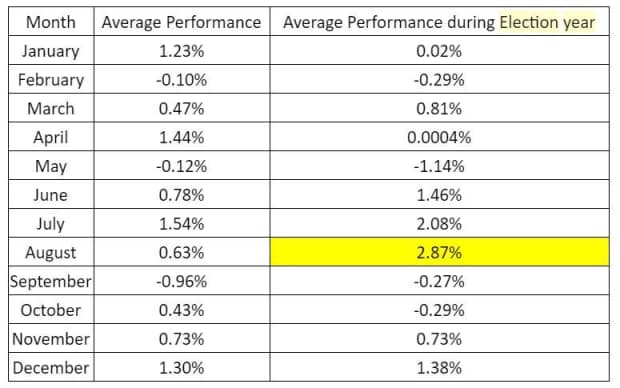
August performance in presidential election years has been stellar. August’s performance on average is up 0.63%, as gauged by monthly returns for the S&P 500 index since inception. However, during election years, August returns 2.87% on average, marking the best monthly performance by some margin, with July’s returns during election years second on average at 2.08%, Dow Jones Market Data show (see attached table).

Source: Dow Jones Market Data

So far, July has lived up to its billing and then some, with the S&P 500 up 5.51% in July, the Dow returning 2.38% and the Nasdaq Composite registering a 6.82% gain, on the back of unfettered appetite for technology and e-commerce stocks.

To be sure, this is a pandemic year too, so anything could happen.

Tesla Autopilot Accidents: 1 out of 4,530,000 Miles; US Average: 1 out of 479,000 Miles – CleanTechnica

Cars

Published on August 1st, 2020 |
by Zachary Shahan

August 1st, 2020 by Zachary Shahan 


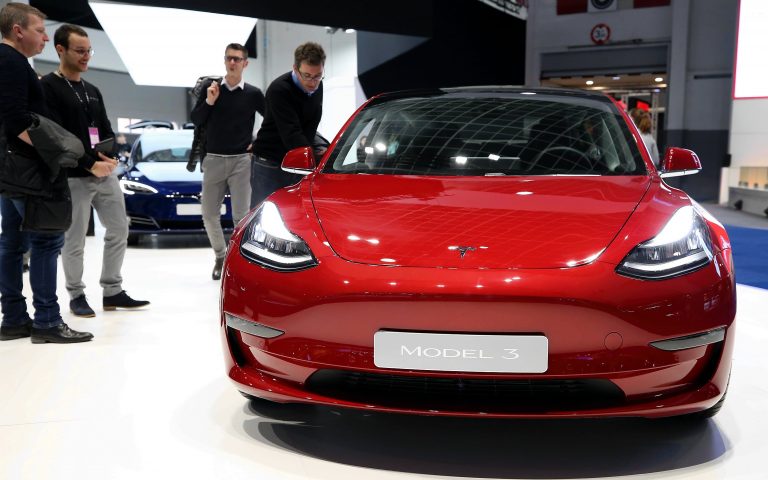
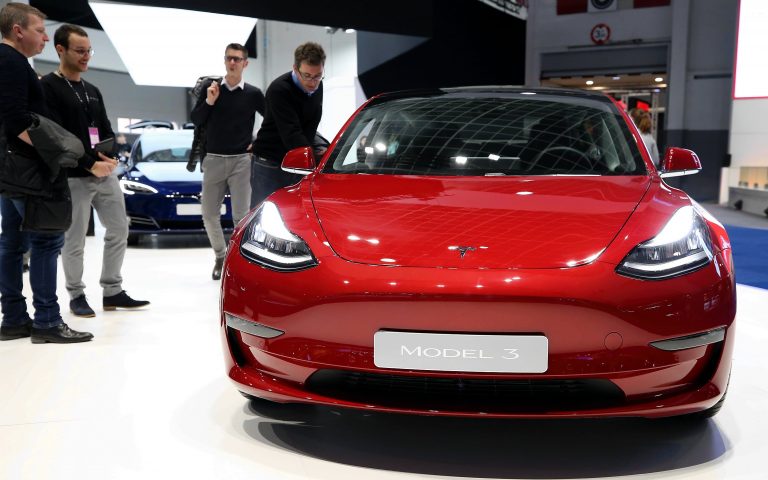
Tesla has released its quarterly “Tesla Vehicle Safety Report.” One of the top reasons — if not the #1 reason — I bought a Tesla Model 3 last was because of its record-setting safety rating, so I’m always interested in seeing new stats on this topic.

The second quarter of 2020 saw a slightly worse result for Tesla than the first quarter in terms of accidents per million miles driven with Tesla Autopilot engaged (see graph below), but keep in mind that the first quarter had a record result. Additionally, the difference was so small that it was probably not statistically significant. On the other hand, Tesla’s Q2 figure was far better than the US average — about 10 times better with Autopilot engaged.

Here are the key statistics:

  • 1 accident every 4.53 million miles when Autopilot engaged
  • 1 accident every 2.27 million miles when Autopilot not engaged but active safety features active
  • 1 accident every 1.56 million miles without Autopilot and without active safety features
  • 1 accident every 479,000 miles — US average

Note: The following interactive graph does not display well on many mobile phones. I recommend viewing it on a real computer or at least turning your phone horizontal instead of vertical. Alternatively, you can look at this non-interactive version (but it’s not as much fun as the interactive version).


In other words, on average, nearly 10 times more miles are driven on Tesla Autopilot before an accident occurs than are driven by the average American driver before an accident occurs.

There is something to keep in mind here, though. First of all, Autopilot is more commonly used on longer freeway trips than in city driving, and accidents are much more common in urban driving than on the freeway, especially per mile. Additionally, in general, Autopilot would be engaged in safer driving situations in which an accident is less likely in the first place.

Lastly, the figure for the US average is based on annual data, and accidents are more common in winter. (Naturally, Tesla’s Q2 data doesn’t cover the winter. Although, its record-breaking result in Q1 does.)

Overall, though, 1 accident every 4.53 million miles is far better than 1 accident every 479,000 miles.

In my experience, having Autopilot on does improve safety considerably. You still have to pay attention and make sure you don’t do something stupid, but with Autopilot on, the car is using many more eyes (cameras, radar, etc.) and its rather clever brain to make sure to not hit other cars or objects on the road. Those eyes and the car’s “brain” work very well.

“While no car can prevent all accidents, we work every day to try to make them much less likely to occur,” Tesla writes. “Active safety features come standard on all Tesla vehicles made after September 2014 for an added layer of safety beyond the physical structure of each car. Because every Tesla is connected, we’re able to use the billions of miles of real-world data from our global fleet – of which more than 1 billion have been driven with Autopilot engaged – to understand the different ways accidents happen. We then develop features that can help Tesla drivers mitigate or avoid accidents. Through over-the-air software updates, we’re able to introduce safety features and enhancements long after a car has been delivered, as well as release updated versions of existing safety features that take into account the most up-to-date real-world data collected by our fleet.”

Even if you do get into an accident, Tesla’s vehicles offer the lowest probability of injury, according to NHTSA testing.

Tesla also addresses fires in its quarterly safety reports, presumably due to all kinds of misinformation and overblown cases regarding a few Tesla vehicles that caught fire over the years. However, Tesla just shares annual data for this, so the latest update is regarding 2019. Here it is:

“From 2012 – 2019, there has been approximately one Tesla vehicle fire for every 175 million miles traveled. By comparison, data from the National Fire Protection Association (NFPA) and U.S. Department of Transportation shows that in the United States there is a vehicle fire for every 19 million miles traveled.

“In order to provide an apt comparison to NFPA data, Tesla’s data set includes instances of vehicle fires caused by structure fires, arson, and other things unrelated to the vehicle, which account for some of the Tesla vehicle fires over this time period.”

One of the biggest benefits of a Tesla is indeed the high level safety it provides to its passengers and driver.


Want to buy a Tesla Model 3, Y, S, or X? Feel free to use my referral code to get some free Supercharging miles with your purchase: https://ts.la/zachary63404

You can also get a $250 discount on Tesla solar with that code.


Have a tip for CleanTechnica? Send us an email: [email protected]


Latest Cleantech Talk Episodes


Latest CleanTechnica.TV Episode


Tags: Tesla, Tesla accidents, Tesla Active Safety, Tesla autopilot, Tesla Autopilot Accidents, Tesla Model 3, Tesla Model 3 Standard Range Plus Long-Term Review, Tesla safety, Tesla safety reports


About the Author

Zachary Shahan is tryin’ to help society help itself one word at a time. He spends most of his time here on CleanTechnica as its director, chief editor, and CEO. Zach is recognized globally as an electric vehicle, solar energy, and energy storage expert. He has presented about cleantech at conferences in India, the UAE, Ukraine, Poland, Germany, the Netherlands, the USA, Canada, and Curaçao.

Zach has long-term investments in Tesla [TSLA] — after years of covering solar and EVs, he simply has a lot of faith in this company and feels like it is a good cleantech company to invest in. But he does not offer (explicitly or implicitly) investment advice of any sort on Tesla or any other company.


Tesla Autopilot Accidents: 1 out of 4,530,000 Miles; US Average: 1 out of 479,000 Miles – CleanTechnica

Cars

Published on August 1st, 2020 |
by Zachary Shahan

August 1st, 2020 by Zachary Shahan 


Tesla has released its quarterly “Tesla Vehicle Safety Report.” One of the top reasons — if not the #1 reason — I bought a Tesla Model 3 last was because of its record-setting safety rating, so I’m always interested in seeing new stats on this topic.

The second quarter of 2020 saw a slightly worse result for Tesla than the first quarter in terms of accidents per million miles driven with Tesla Autopilot engaged (see graph below), but keep in mind that the first quarter had a record result. Additionally, the difference was so small that it was probably not statistically significant. On the other hand, Tesla’s Q2 figure was far better than the US average — about 10 times better with Autopilot engaged.

Here are the key statistics:

  • 1 accident every 4.53 million miles when Autopilot engaged
  • 1 accident every 2.27 million miles when Autopilot not engaged but active safety features active
  • 1 accident every 1.56 million miles without Autopilot and without active safety features
  • 1 accident every 479,000 miles — US average

Note: The following interactive graph does not display well on many mobile phones. I recommend viewing it on a real computer or at least turning your phone horizontal instead of vertical. Alternatively, you can look at this non-interactive version (but it’s not as much fun as the interactive version).


In other words, on average, nearly 10 times more miles are driven on Tesla Autopilot before an accident occurs than are driven by the average American driver before an accident occurs.

There is something to keep in mind here, though. First of all, Autopilot is more commonly used on longer freeway trips than in city driving, and accidents are much more common in urban driving than on the freeway, especially per mile. Additionally, in general, Autopilot would be engaged in safer driving situations in which an accident is less likely in the first place.

Lastly, the figure for the US average is based on annual data, and accidents are more common in winter. (Naturally, Tesla’s Q2 data doesn’t cover the winter. Although, its record-breaking result in Q1 does.)

Overall, though, 1 accident every 4.53 million miles is far better than 1 accident every 479,000 miles.

In my experience, having Autopilot on does improve safety considerably. You still have to pay attention and make sure you don’t do something stupid, but with Autopilot on, the car is using many more eyes (cameras, radar, etc.) and its rather clever brain to make sure to not hit other cars or objects on the road. Those eyes and the car’s “brain” work very well.

“While no car can prevent all accidents, we work every day to try to make them much less likely to occur,” Tesla writes. “Active safety features come standard on all Tesla vehicles made after September 2014 for an added layer of safety beyond the physical structure of each car. Because every Tesla is connected, we’re able to use the billions of miles of real-world data from our global fleet – of which more than 1 billion have been driven with Autopilot engaged – to understand the different ways accidents happen. We then develop features that can help Tesla drivers mitigate or avoid accidents. Through over-the-air software updates, we’re able to introduce safety features and enhancements long after a car has been delivered, as well as release updated versions of existing safety features that take into account the most up-to-date real-world data collected by our fleet.”

Even if you do get into an accident, Tesla’s vehicles offer the lowest probability of injury, according to NHTSA testing.

Tesla also addresses fires in its quarterly safety reports, presumably due to all kinds of misinformation and overblown cases regarding a few Tesla vehicles that caught fire over the years. However, Tesla just shares annual data for this, so the latest update is regarding 2019. Here it is:

“From 2012 – 2019, there has been approximately one Tesla vehicle fire for every 175 million miles traveled. By comparison, data from the National Fire Protection Association (NFPA) and U.S. Department of Transportation shows that in the United States there is a vehicle fire for every 19 million miles traveled.

“In order to provide an apt comparison to NFPA data, Tesla’s data set includes instances of vehicle fires caused by structure fires, arson, and other things unrelated to the vehicle, which account for some of the Tesla vehicle fires over this time period.”

One of the biggest benefits of a Tesla is indeed the high level safety it provides to its passengers and driver.


Want to buy a Tesla Model 3, Y, S, or X? Feel free to use my referral code to get some free Supercharging miles with your purchase: https://ts.la/zachary63404

You can also get a $250 discount on Tesla solar with that code.


Have a tip for CleanTechnica? Send us an email: [email protected]


Latest Cleantech Talk Episodes


Latest CleanTechnica.TV Episode


Tags: Tesla, Tesla accidents, Tesla Active Safety, Tesla autopilot, Tesla Autopilot Accidents, Tesla Model 3, Tesla Model 3 Standard Range Plus Long-Term Review, Tesla safety, Tesla safety reports


About the Author

Zachary Shahan is tryin’ to help society help itself one word at a time. He spends most of his time here on CleanTechnica as its director, chief editor, and CEO. Zach is recognized globally as an electric vehicle, solar energy, and energy storage expert. He has presented about cleantech at conferences in India, the UAE, Ukraine, Poland, Germany, the Netherlands, the USA, Canada, and Curaçao.

Zach has long-term investments in Tesla [TSLA] — after years of covering solar and EVs, he simply has a lot of faith in this company and feels like it is a good cleantech company to invest in. But he does not offer (explicitly or implicitly) investment advice of any sort on Tesla or any other company.