Stock Splits Pay Off—on the Rare Occasions They Occur – The Wall Street Journal

Stock splits have all but disappeared from corporate playbooks, even though history shows shares of companies that split their stock often see a bump in price.

Stocks in the S&P 500 tend to rise 5% in the year following share splits, including 2.5% immediately following the announcement, according to research from Nasdaq Inc. on splits between 2012 and 2018.

“Splits…

Why Dont the Wealthy Invest in Index Funds? – Motley Fool

Investing in stocks is a great way to grow your net worth, but it can also be somewhat of a guessing game. Unless you have the knowledge, time, and patience to vet each individual company you’re considering before buying its stock, you could wind up with a portfolio that’s weighed down with bad deals and underperformers.

That’s one reason why many investors tend to appreciate index funds. These passively managed funds are designed to track the performance of a market index — usually by holding all the companies in it in proportion to their weight in the index. The performance of an S&P 500 index fund, for example, should mirror that of the S&P 500.

This makes them a wise option for people who want to simplify the investing process. You don’t need to research stocks one by one, and you get instant portfolio diversification. (Case in point: Invest in an S&P 500 index fund, and you’re effectively putting your money into 500 of the largest U.S. companies by market capitalization — which makes it a fair proxy for the country’s economy.) And index funds are also fairly inexpensive.

Person typing on laptop with tables and graphs displayed on screen

Image source: Getty Images.

When you invest in any mutual fund, you pay a set of annual fees that add up to its expense ratio. With an actively managed fund, what you’re getting in exchange for that cost is the expertise of a seasoned fund manager and their team, who will assemble a well-researched collection of stocks, put it into a neat package, and shift the fund’s holdings when they see that as a smart idea.

That doesn’t come cheap.

With index funds, by contrast, most of that work (and pricey expertise) is not necessary, so their expense ratios can be as little as one-tenth of what you’d pay for an actively managed fund. But despite the many benefits of index funds, they aren’t particularly popular among wealthy investors.

Why the rich tend to look elsewhere

Index funds are an extremely cost-effective, convenient investment choice. But they generally aim to match the performance of their associated indexes, not surpass it.

The ultra-wealthy, however, may not be satisfied with that. Rather, they might want to invest in ways that offer them the opportunity to beat the market, even if that means taking on more risk in their portfolios — risk they can tolerate far more easily than the average investor.

Imagine that you have $400,000 invested in stocks in your tax-advantaged retirement accounts. That’s probably a lot of cash for you, and if your portfolio declined in value by half — or worse — it would have a major impact on your future quality of life.

But for someone with an investment portfolio worth $40 million, a major loss would still leave them very wealthy. That allows them the freedom to take on more risk than the average retail investor will be comfortable with.

In fact, wealthy investors often favor actively managed mutual funds, regardless of their higher fees — and their iffy odds of delivering that sought-after outperformance. In any given year, the large majority of actively managed funds won’t beat the market, and over multiyear periods, the share of them that do drops even further. By contrast, index funds often outperform active funds across different asset classes.

The wealthy also can more easily invest in real estate, antiques, and other less-liquid assets — whereas you probably can’t afford to take on the risk associated with buying a $50,000 piece of art you hope will appreciate in value. And in the “actively managed” sphere, the wealthy also have the ability to put money into hedge funds, which most of us are legally barred from.

But even though index funds aren’t popular among the very rich, they’re still a great choice for the everyday investor. If that’s the category you identify with, you’d be wise to add some to your portfolio. They may not make you rich overnight, but by capitalizing on the broad long-term gains of the U.S. market, you could over time accumulate quite a substantial sum and achieve your own financial goals.

Red onions linked to salmonella outbreak that has sickened people in 31 states – CNN

‘);$vidEndSlate.removeClass(‘video__end-slate–inactive’).addClass(‘video__end-slate–active’);}};CNN.autoPlayVideoExist = (CNN.autoPlayVideoExist === true) ? true : false;var configObj = {thumb: ‘none’,video: ‘health/2015/11/20/preventing-salmonella-elizabeth-cohen-foodborne-disease-health-mss-orig.cnn’,width: ‘100%’,height: ‘100%’,section: ‘international’,profile: ‘expansion’,network: ‘cnn’,markupId: ‘large-media_0’,adsection: ‘const-article-pagetop’,frameWidth: ‘100%’,frameHeight: ‘100%’,posterImageOverride: {“mini”:{“width”:220,”type”:”jpg”,”uri”:”//cdn.cnn.com/cnnnext/dam/assets/140917151344-salmonella-enterica-small-169.jpg”,”height”:124},”xsmall”:{“width”:307,”type”:”jpg”,”uri”:”//cdn.cnn.com/cnnnext/dam/assets/140917151344-salmonella-enterica-medium-plus-169.jpg”,”height”:173},”small”:{“width”:460,”type”:”jpg”,”uri”:”//cdn.cnn.com/cnnnext/dam/assets/140917151344-salmonella-enterica-large-169.jpg”,”height”:259},”medium”:{“width”:780,”type”:”jpg”,”uri”:”//cdn.cnn.com/cnnnext/dam/assets/140917151344-salmonella-enterica-exlarge-169.jpg”,”height”:438},”large”:{“width”:1100,”type”:”jpg”,”uri”:”//cdn.cnn.com/cnnnext/dam/assets/140917151344-salmonella-enterica-super-169.jpg”,”height”:619},”full16x9″:{“width”:1600,”type”:”jpg”,”uri”:”//cdn.cnn.com/cnnnext/dam/assets/140917151344-salmonella-enterica-full-169.jpg”,”height”:900},”mini1x1″:{“width”:120,”type”:”jpg”,”uri”:”//cdn.cnn.com/cnnnext/dam/assets/140917151344-salmonella-enterica-small-11.jpg”,”height”:120}}},autoStartVideo = false,isVideoReplayClicked = false,callbackObj,containerEl,currentVideoCollection = [],currentVideoCollectionId = ”,isLivePlayer = false,mediaMetadataCallbacks,mobilePinnedView = null,moveToNextTimeout,mutePlayerEnabled = false,nextVideoId = ”,nextVideoUrl = ”,turnOnFlashMessaging = false,videoPinner,videoEndSlateImpl;if (CNN.autoPlayVideoExist === false) {autoStartVideo = true;if (autoStartVideo === true) {if (turnOnFlashMessaging === true) {autoStartVideo = false;containerEl = jQuery(document.getElementById(configObj.markupId));CNN.VideoPlayer.showFlashSlate(containerEl);} else {CNN.autoPlayVideoExist = true;}}}configObj.autostart = CNN.Features.enableAutoplayBlock ? false : autoStartVideo;CNN.VideoPlayer.setPlayerProperties(configObj.markupId, autoStartVideo, isLivePlayer, isVideoReplayClicked, mutePlayerEnabled);CNN.VideoPlayer.setFirstVideoInCollection(currentVideoCollection, configObj.markupId);videoEndSlateImpl = new CNN.VideoEndSlate(‘large-media_0’);function findNextVideo(currentVideoId) {var i,vidObj;if (currentVideoId && jQuery.isArray(currentVideoCollection) && currentVideoCollection.length > 0) {for (i = 0; i 0) {videoEndSlateImpl.showEndSlateForContainer();if (mobilePinnedView) {mobilePinnedView.disable();}}}}callbackObj = {onPlayerReady: function (containerId) {var playerInstance,containerClassId = ‘#’ + containerId;CNN.VideoPlayer.handleInitialExpandableVideoState(containerId);CNN.VideoPlayer.handleAdOnCVPVisibilityChange(containerId, CNN.pageVis.isDocumentVisible());if (CNN.Features.enableMobileWebFloatingPlayer &&Modernizr &&(Modernizr.phone || Modernizr.mobile || Modernizr.tablet) &&CNN.VideoPlayer.getLibraryName(containerId) === ‘fave’ &&jQuery(containerClassId).parents(‘.js-pg-rail-tall__head’).length > 0 &&CNN.contentModel.pageType === ‘article’) {playerInstance = FAVE.player.getInstance(containerId);mobilePinnedView = new CNN.MobilePinnedView({element: jQuery(containerClassId),enabled: false,transition: CNN.MobileWebFloatingPlayer.transition,onPin: function () {playerInstance.hideUI();},onUnpin: function () {playerInstance.showUI();},onPlayerClick: function () {if (mobilePinnedView) {playerInstance.enterFullscreen();playerInstance.showUI();}},onDismiss: function() {CNN.Videx.mobile.pinnedPlayer.disable();playerInstance.pause();}});/* Storing pinned view on CNN.Videx.mobile.pinnedPlayer So that all players can see the single pinned player */CNN.Videx = CNN.Videx || {};CNN.Videx.mobile = CNN.Videx.mobile || {};CNN.Videx.mobile.pinnedPlayer = mobilePinnedView;}if (Modernizr && !Modernizr.phone && !Modernizr.mobile && !Modernizr.tablet) {if (jQuery(containerClassId).parents(‘.js-pg-rail-tall__head’).length) {videoPinner = new CNN.VideoPinner(containerClassId);videoPinner.init();} else {CNN.VideoPlayer.hideThumbnail(containerId);}}},onContentEntryLoad: function(containerId, playerId, contentid, isQueue) {CNN.VideoPlayer.showSpinner(containerId);},onContentPause: function (containerId, playerId, videoId, paused) {if (mobilePinnedView) {CNN.VideoPlayer.handleMobilePinnedPlayerStates(containerId, paused);}},onContentMetadata: function (containerId, playerId, metadata, contentId, duration, width, height) {var endSlateLen = jQuery(document.getElementById(containerId)).parent().find(‘.js-video__end-slate’).eq(0).length;CNN.VideoSourceUtils.updateSource(containerId, metadata);if (endSlateLen > 0) {videoEndSlateImpl.fetchAndShowRecommendedVideos(metadata);}},onAdPlay: function (containerId, cvpId, token, mode, id, duration, blockId, adType) {/* Dismissing the pinnedPlayer if another video players plays an Ad */CNN.VideoPlayer.dismissMobilePinnedPlayer(containerId);clearTimeout(moveToNextTimeout);CNN.VideoPlayer.hideSpinner(containerId);if (Modernizr && !Modernizr.phone && !Modernizr.mobile && !Modernizr.tablet) {if (typeof videoPinner !== ‘undefined’ && videoPinner !== null) {videoPinner.setIsPlaying(true);videoPinner.animateDown();}}},onAdPause: function (containerId, playerId, token, mode, id, duration, blockId, adType, instance, isAdPause) {if (mobilePinnedView) {CNN.VideoPlayer.handleMobilePinnedPlayerStates(containerId, isAdPause);}},onTrackingFullscreen: function (containerId, PlayerId, dataObj) {CNN.VideoPlayer.handleFullscreenChange(containerId, dataObj);if (mobilePinnedView &&typeof dataObj === ‘object’ &&FAVE.Utils.os === ‘iOS’ && !dataObj.fullscreen) {jQuery(document).scrollTop(mobilePinnedView.getScrollPosition());playerInstance.hideUI();}},onContentPlay: function (containerId, cvpId, event) {var playerInstance,prevVideoId;if (CNN.companion && typeof CNN.companion.updateCompanionLayout === ‘function’) {CNN.companion.updateCompanionLayout(‘restoreEpicAds’);}clearTimeout(moveToNextTimeout);CNN.VideoPlayer.hideSpinner(containerId);if (Modernizr && !Modernizr.phone && !Modernizr.mobile && !Modernizr.tablet) {if (typeof videoPinner !== ‘undefined’ && videoPinner !== null) {videoPinner.setIsPlaying(true);videoPinner.animateDown();}}},onContentReplayRequest: function (containerId, cvpId, contentId) {if (Modernizr && !Modernizr.phone && !Modernizr.mobile && !Modernizr.tablet) {if (typeof videoPinner !== ‘undefined’ && videoPinner !== null) {videoPinner.setIsPlaying(true);var $endSlate = jQuery(document.getElementById(containerId)).parent().find(‘.js-video__end-slate’).eq(0);if ($endSlate.length > 0) {$endSlate.removeClass(‘video__end-slate–active’).addClass(‘video__end-slate–inactive’);}}}},onContentBegin: function (containerId, cvpId, contentId) {if (mobilePinnedView) {mobilePinnedView.enable();}/* Dismissing the pinnedPlayer if another video players plays a video. */CNN.VideoPlayer.dismissMobilePinnedPlayer(containerId);CNN.VideoPlayer.mutePlayer(containerId);if (CNN.companion && typeof CNN.companion.updateCompanionLayout === ‘function’) {CNN.companion.updateCompanionLayout(‘removeEpicAds’);}CNN.VideoPlayer.hideSpinner(containerId);clearTimeout(moveToNextTimeout);CNN.VideoSourceUtils.clearSource(containerId);jQuery(document).triggerVideoContentStarted();},onContentComplete: function (containerId, cvpId, contentId) {if (CNN.companion && typeof CNN.companion.updateCompanionLayout === ‘function’) {CNN.companion.updateCompanionLayout(‘restoreFreewheel’);}navigateToNextVideo(contentId, containerId);},onContentEnd: function (containerId, cvpId, contentId) {if (Modernizr && !Modernizr.phone && !Modernizr.mobile && !Modernizr.tablet) {if (typeof videoPinner !== ‘undefined’ && videoPinner !== null) {videoPinner.setIsPlaying(false);}}},onCVPVisibilityChange: function (containerId, cvpId, visible) {CNN.VideoPlayer.handleAdOnCVPVisibilityChange(containerId, visible);}};if (typeof configObj.context !== ‘string’ || configObj.context.length 0) {configObj.adsection = window.ssid;}CNN.autoPlayVideoExist = (CNN.autoPlayVideoExist === true) ? true : false;CNN.VideoPlayer.getLibrary(configObj, callbackObj, isLivePlayer);});CNN.INJECTOR.scriptComplete(‘videodemanddust’);


Red onions linked to salmonella outbreak that has sickened people in 31 states – CNN

‘);$vidEndSlate.removeClass(‘video__end-slate–inactive’).addClass(‘video__end-slate–active’);}};CNN.autoPlayVideoExist = (CNN.autoPlayVideoExist === true) ? true : false;var configObj = {thumb: ‘none’,video: ‘health/2015/11/20/preventing-salmonella-elizabeth-cohen-foodborne-disease-health-mss-orig.cnn’,width: ‘100%’,height: ‘100%’,section: ‘international’,profile: ‘expansion’,network: ‘cnn’,markupId: ‘large-media_0’,adsection: ‘const-article-pagetop’,frameWidth: ‘100%’,frameHeight: ‘100%’,posterImageOverride: {“mini”:{“width”:220,”type”:”jpg”,”uri”:”//cdn.cnn.com/cnnnext/dam/assets/140917151344-salmonella-enterica-small-169.jpg”,”height”:124},”xsmall”:{“width”:307,”type”:”jpg”,”uri”:”//cdn.cnn.com/cnnnext/dam/assets/140917151344-salmonella-enterica-medium-plus-169.jpg”,”height”:173},”small”:{“width”:460,”type”:”jpg”,”uri”:”//cdn.cnn.com/cnnnext/dam/assets/140917151344-salmonella-enterica-large-169.jpg”,”height”:259},”medium”:{“width”:780,”type”:”jpg”,”uri”:”//cdn.cnn.com/cnnnext/dam/assets/140917151344-salmonella-enterica-exlarge-169.jpg”,”height”:438},”large”:{“width”:1100,”type”:”jpg”,”uri”:”//cdn.cnn.com/cnnnext/dam/assets/140917151344-salmonella-enterica-super-169.jpg”,”height”:619},”full16x9″:{“width”:1600,”type”:”jpg”,”uri”:”//cdn.cnn.com/cnnnext/dam/assets/140917151344-salmonella-enterica-full-169.jpg”,”height”:900},”mini1x1″:{“width”:120,”type”:”jpg”,”uri”:”//cdn.cnn.com/cnnnext/dam/assets/140917151344-salmonella-enterica-small-11.jpg”,”height”:120}}},autoStartVideo = false,isVideoReplayClicked = false,callbackObj,containerEl,currentVideoCollection = [],currentVideoCollectionId = ”,isLivePlayer = false,mediaMetadataCallbacks,mobilePinnedView = null,moveToNextTimeout,mutePlayerEnabled = false,nextVideoId = ”,nextVideoUrl = ”,turnOnFlashMessaging = false,videoPinner,videoEndSlateImpl;if (CNN.autoPlayVideoExist === false) {autoStartVideo = true;if (autoStartVideo === true) {if (turnOnFlashMessaging === true) {autoStartVideo = false;containerEl = jQuery(document.getElementById(configObj.markupId));CNN.VideoPlayer.showFlashSlate(containerEl);} else {CNN.autoPlayVideoExist = true;}}}configObj.autostart = CNN.Features.enableAutoplayBlock ? false : autoStartVideo;CNN.VideoPlayer.setPlayerProperties(configObj.markupId, autoStartVideo, isLivePlayer, isVideoReplayClicked, mutePlayerEnabled);CNN.VideoPlayer.setFirstVideoInCollection(currentVideoCollection, configObj.markupId);videoEndSlateImpl = new CNN.VideoEndSlate(‘large-media_0’);function findNextVideo(currentVideoId) {var i,vidObj;if (currentVideoId && jQuery.isArray(currentVideoCollection) && currentVideoCollection.length > 0) {for (i = 0; i 0) {videoEndSlateImpl.showEndSlateForContainer();if (mobilePinnedView) {mobilePinnedView.disable();}}}}callbackObj = {onPlayerReady: function (containerId) {var playerInstance,containerClassId = ‘#’ + containerId;CNN.VideoPlayer.handleInitialExpandableVideoState(containerId);CNN.VideoPlayer.handleAdOnCVPVisibilityChange(containerId, CNN.pageVis.isDocumentVisible());if (CNN.Features.enableMobileWebFloatingPlayer &&Modernizr &&(Modernizr.phone || Modernizr.mobile || Modernizr.tablet) &&CNN.VideoPlayer.getLibraryName(containerId) === ‘fave’ &&jQuery(containerClassId).parents(‘.js-pg-rail-tall__head’).length > 0 &&CNN.contentModel.pageType === ‘article’) {playerInstance = FAVE.player.getInstance(containerId);mobilePinnedView = new CNN.MobilePinnedView({element: jQuery(containerClassId),enabled: false,transition: CNN.MobileWebFloatingPlayer.transition,onPin: function () {playerInstance.hideUI();},onUnpin: function () {playerInstance.showUI();},onPlayerClick: function () {if (mobilePinnedView) {playerInstance.enterFullscreen();playerInstance.showUI();}},onDismiss: function() {CNN.Videx.mobile.pinnedPlayer.disable();playerInstance.pause();}});/* Storing pinned view on CNN.Videx.mobile.pinnedPlayer So that all players can see the single pinned player */CNN.Videx = CNN.Videx || {};CNN.Videx.mobile = CNN.Videx.mobile || {};CNN.Videx.mobile.pinnedPlayer = mobilePinnedView;}if (Modernizr && !Modernizr.phone && !Modernizr.mobile && !Modernizr.tablet) {if (jQuery(containerClassId).parents(‘.js-pg-rail-tall__head’).length) {videoPinner = new CNN.VideoPinner(containerClassId);videoPinner.init();} else {CNN.VideoPlayer.hideThumbnail(containerId);}}},onContentEntryLoad: function(containerId, playerId, contentid, isQueue) {CNN.VideoPlayer.showSpinner(containerId);},onContentPause: function (containerId, playerId, videoId, paused) {if (mobilePinnedView) {CNN.VideoPlayer.handleMobilePinnedPlayerStates(containerId, paused);}},onContentMetadata: function (containerId, playerId, metadata, contentId, duration, width, height) {var endSlateLen = jQuery(document.getElementById(containerId)).parent().find(‘.js-video__end-slate’).eq(0).length;CNN.VideoSourceUtils.updateSource(containerId, metadata);if (endSlateLen > 0) {videoEndSlateImpl.fetchAndShowRecommendedVideos(metadata);}},onAdPlay: function (containerId, cvpId, token, mode, id, duration, blockId, adType) {/* Dismissing the pinnedPlayer if another video players plays an Ad */CNN.VideoPlayer.dismissMobilePinnedPlayer(containerId);clearTimeout(moveToNextTimeout);CNN.VideoPlayer.hideSpinner(containerId);if (Modernizr && !Modernizr.phone && !Modernizr.mobile && !Modernizr.tablet) {if (typeof videoPinner !== ‘undefined’ && videoPinner !== null) {videoPinner.setIsPlaying(true);videoPinner.animateDown();}}},onAdPause: function (containerId, playerId, token, mode, id, duration, blockId, adType, instance, isAdPause) {if (mobilePinnedView) {CNN.VideoPlayer.handleMobilePinnedPlayerStates(containerId, isAdPause);}},onTrackingFullscreen: function (containerId, PlayerId, dataObj) {CNN.VideoPlayer.handleFullscreenChange(containerId, dataObj);if (mobilePinnedView &&typeof dataObj === ‘object’ &&FAVE.Utils.os === ‘iOS’ && !dataObj.fullscreen) {jQuery(document).scrollTop(mobilePinnedView.getScrollPosition());playerInstance.hideUI();}},onContentPlay: function (containerId, cvpId, event) {var playerInstance,prevVideoId;if (CNN.companion && typeof CNN.companion.updateCompanionLayout === ‘function’) {CNN.companion.updateCompanionLayout(‘restoreEpicAds’);}clearTimeout(moveToNextTimeout);CNN.VideoPlayer.hideSpinner(containerId);if (Modernizr && !Modernizr.phone && !Modernizr.mobile && !Modernizr.tablet) {if (typeof videoPinner !== ‘undefined’ && videoPinner !== null) {videoPinner.setIsPlaying(true);videoPinner.animateDown();}}},onContentReplayRequest: function (containerId, cvpId, contentId) {if (Modernizr && !Modernizr.phone && !Modernizr.mobile && !Modernizr.tablet) {if (typeof videoPinner !== ‘undefined’ && videoPinner !== null) {videoPinner.setIsPlaying(true);var $endSlate = jQuery(document.getElementById(containerId)).parent().find(‘.js-video__end-slate’).eq(0);if ($endSlate.length > 0) {$endSlate.removeClass(‘video__end-slate–active’).addClass(‘video__end-slate–inactive’);}}}},onContentBegin: function (containerId, cvpId, contentId) {if (mobilePinnedView) {mobilePinnedView.enable();}/* Dismissing the pinnedPlayer if another video players plays a video. */CNN.VideoPlayer.dismissMobilePinnedPlayer(containerId);CNN.VideoPlayer.mutePlayer(containerId);if (CNN.companion && typeof CNN.companion.updateCompanionLayout === ‘function’) {CNN.companion.updateCompanionLayout(‘removeEpicAds’);}CNN.VideoPlayer.hideSpinner(containerId);clearTimeout(moveToNextTimeout);CNN.VideoSourceUtils.clearSource(containerId);jQuery(document).triggerVideoContentStarted();},onContentComplete: function (containerId, cvpId, contentId) {if (CNN.companion && typeof CNN.companion.updateCompanionLayout === ‘function’) {CNN.companion.updateCompanionLayout(‘restoreFreewheel’);}navigateToNextVideo(contentId, containerId);},onContentEnd: function (containerId, cvpId, contentId) {if (Modernizr && !Modernizr.phone && !Modernizr.mobile && !Modernizr.tablet) {if (typeof videoPinner !== ‘undefined’ && videoPinner !== null) {videoPinner.setIsPlaying(false);}}},onCVPVisibilityChange: function (containerId, cvpId, visible) {CNN.VideoPlayer.handleAdOnCVPVisibilityChange(containerId, visible);}};if (typeof configObj.context !== ‘string’ || configObj.context.length 0) {configObj.adsection = window.ssid;}CNN.autoPlayVideoExist = (CNN.autoPlayVideoExist === true) ? true : false;CNN.VideoPlayer.getLibrary(configObj, callbackObj, isLivePlayer);});CNN.INJECTOR.scriptComplete(‘videodemanddust’);

5 Coronavirus Vaccines With Huge Operation Warp Speed Deals – Motley Fool

Operation Warp Speed (OWS), the Trump administration’s bold effort to deliver at least 300 million doses of a safe and effective coronavirus vaccine by January, took another expensive step forward. On Friday, Sanofi (NASDAQ:SNY) and GlaxoSmithKline (NYSE:GSK) signed a vaccine-supply deal with the U.S. government worth up to $2.1 billion to help the collaboration partners scale up manufacturing of a vaccine candidate — before there are clinical-trial results that prove it safely prevents SARS-CoV-2, the virus that causes COVID-19, from spreading.

Bottomless expense accounts have allowed the leading vaccine candidates to advance at top speed. Here’s a quick rundown to help you keep tabs on the top five programs and the funds that are pushing them forward.

Company (Symbol)OWS FundingPhase 3 Start Date
Sanofi and GlaxoSmithKline$2.1 billionEnd of 2020
BioNTech SE (NASDAQ:BNTX) and Pfizer (NYSE:PFE)$2 billionJuly 27, 2020
Novavax (NASDAQ:NVAX)$1.6 billionFall 2020
AstraZeneca (NYSE:AZN)$1.2 billionJune 20, 2020
Moderna (NASDAQ:MRNA)$955 millionJuly 27, 2020

Data source: Company press releases.

Who needs a name?

Sanofi and GlaxoSmithKline are committed to developing a coronavirus vaccine candidate at top speed but haven’t yet bothered to give their protein-based vaccine candidate a name. Sanofi will provide the partnership with a protein that mimics part of SARS-CoV-2, and GlaxoSmithKline will contribute an adjuvant designed to spark a stronger immune response to Sanofi’s protein.

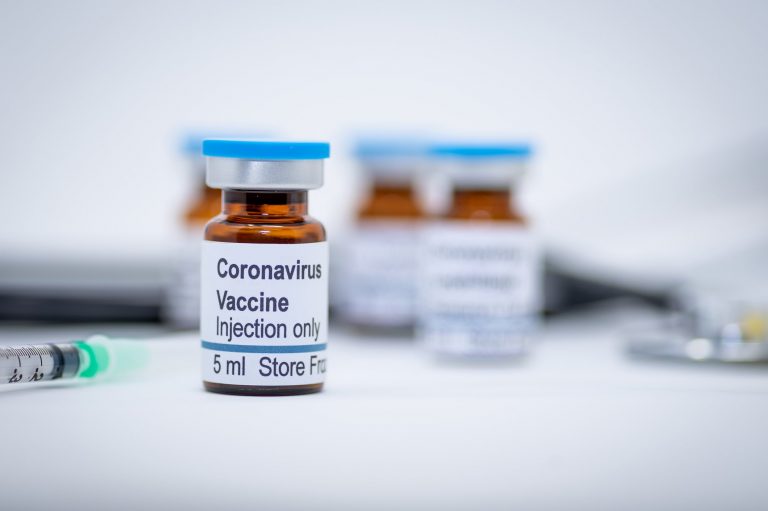
Vials with labels that say Coronavirus Vaccine.

Image source: Getty Images.

The government has promised the partners up to $2.1 billion, around half of which will pay for clinical trials that aren’t expected to begin until the fall. If a phase 1/2 study planned to begin in September produces encouraging results, a phase 3 trial could start by the end of 2020.

Sanofi and GlaxoSmithKline will use the remaining portion of committed funding to support the manufacturing of their vaccine candidate. The partners will produce 100 million doses long before it has a chance to prove itself effective. The government also has an option for the supply of an additional 500 million doses down the road.

BNT162 from BioNTech and Pfizer

In partnership with Pfizer, BioNTech is one of two clinical-stage biotechs with OWS-backed vaccine programs that rely on strands of messenger RNA (mRNA) that get human cells to produce proteins that mimic SARS-CoV-2. Unlike the other mRNA program, mRNA1273 from Moderna, BNT162 entered phase 1 testing as multiple related candidates. 

When the government placed an initial order for 100 million doses with an option to buy another 500 million, the partners hadn’t selected the specific candidate they would move into phase 3 testing yet. Shares of BioNTech vaulted higher when the company reported encouraging signs of efficacy from BNT162b1 in early July, but the partners began a phase 2b/3 trial with BNT162b2 because patients who received it were less likely to report fever, fatigue, and chills.

Close up of a pipette and sample vials.

Image source: Getty Images.

NVX-CoV2373 from Novavax

This Maryland-headquartered biotech company has been developing vaccines since the 1980s but still hasn’t sent any new drug applications to the Food and Drug Administration (FDA). Despite this troubling track record, the government has purchased 100 million doses of NVX-CoV2373, the company’s SARS-CoV-2 vaccine candidate, for delivery in late 2020 

In July, OWS granted Novavax a $1.6 billion award that the company will use to complete the late-stage development of NVX-CoV2373. This is an adjuvant-boosted protein similar to the candidate Sanofi and GlaxoSmithKline are testing.

During the first week of August, Novavax will share results from a 130-patient phase 1/2 clinical trial that began in May. The company expects to begin a phase 3 study that will enroll up to 30,000 people in the fall.

AZD1222 from AstraZeneca

This is one of three OWS-backed vaccine candidates that use the carved-out husk of another virus to deliver genetic material that cells use to produce proteins found on SARS-CoV-2. AstraZeneca’s partners at Oxford University began a phase 3 trial with AZD1222 in Brazil, all the way back on June 20, 2020.

The ongoing 5,000-patient phase 3 study in Brazil was sponsored entirely by concerned Brazilian entrepreneurs, but the U.S. government will fund a phase 3 study with 30,000 patients, which is expected to begin soon. In addition to a giant pivotal study, AstraZeneca will also use up to $1.2 billion of taxpayer dollars to produce 400 million doses for the U.S., making it the least expensive vaccine OWS has backed so far.

Nurse administering a vaccine injection.

Image source: Getty Images.

mRNA-1273 from Moderna

In April, Moderna received a $483 million commitment to support the development of its mRNA-based vaccine candidate, mRNA-1273. In July, the company received a $483 million top-up to run a much larger phase 3 trial than originally intended. 

Before results of the 30,000-participant Cove study are complete, the company will use its OWS award to scale up manufacturing. Moderna thinks it will be able to deliver up to 1 billion doses of mRNA-1273 annually in 2021.

So much more

It might feel like forever, but the COVID-19 pandemic will end in the foreseeable future, along with any cash flows these vaccines might produce. Investing in any of these companies simply because there could be a large (but short) windfall in their near future probably isn’t a great idea. 

While the amount of demand for a SARS-CoV-2 vaccine is unprecedented, so is the level of competition. In addition to these five well-funded programs, at least a dozen more will produce their first clinical-trial results by the end of the summer.

Mark Zuckerberg, Jeff Bezos Have Made $6 Billion Each Since Wednesday’s Congressional Hearing – Yahoo Entertainment

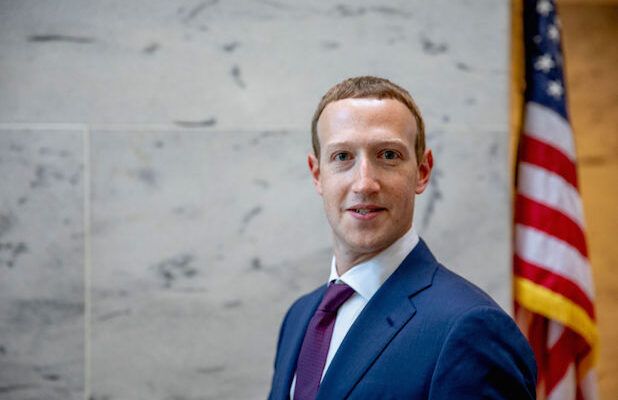
Amazon CEO Jeff Bezos and Facebook CEO Mark Zuckerberg’s bank accounts haven’t suffered in the few days following their virtual testimony before Congress. In fact, they’ve actually tacked on billions of dollars to their fortunes in the last two days.

Zuckerberg added about $7 billion to his net worth on Friday, according to Bloomberg’s Billionaires Index, as Facebook’s stock rocketed higher a day after the company reported Q2 revenue and earnings that topped Wall Street’s projections. The 36-year-old is now worth an estimated $96 billion.

At the same time, Bezos was $6.3 billion wealthier by the end of Friday’s trading session as well, after Amazon’s share price increased 3.7% on the day. Like Facebook, Amazon’s stock jump came after the e-commerce giant reported a $88.9 billion in Q2 sales, easily lapping analyst projections. 

Both Bezos and Zuckerberg also enjoyed modest gains — at least relative to Friday’s surge — on Thursday, one day after they testified in front of Congress for six hours.

Also Read: Facebook Stock Hits All-Time High After Big Q2 Earnings Report

If Amazon’s Wall Street run continues next week, Bezos could be the first person to hit $200 billion in net worth; right now, his fortune stands at $188 billion, per Bloomberg.

The hearing aimed to see if Amazon and Facebook, along with Apple and Alphabet, Google’s parent company, have used anti-competitive practices to build their businesses and hamper their rivals. But the hearing touched on a number of topics as well, including social media censorship, China, and even spam emails, vacillating between the serious and the bizarre for much of Wednesday afternoon. To read a full recap of the hearing, go here.

Read original story Mark Zuckerberg, Jeff Bezos Have Made $6 Billion Each Since Wednesday’s Congressional Hearing At TheWrap

Epic Games CEO sees Apple’s App Store business as ‘the most uneven in the history’ – 9to5Mac

Apple has been facing accusations of anticompetitive practices as the U.S. House Judiciary Committee investigates the company for potential antitrust concerns mostly related to the App Store. Following Tim Cook’s testimony at a public hearing this week, Epic Games CEO Tim Sweeney criticized Apple claiming the company imposes unfair conditions on developers.

Sweeney said in an interview with Bloomberg that he tried to contact Apple several times about the App Store subscription model, but the company denied all requests. He also mentions that Epic Games reached out to Apple to ask about the possibility of launching Epic Games Store on iOS, but Apple lawyers sent a letter refusing the request.

That’s in no way an acceptable situation for a platform for a billion users. […] And you know these are disingenuous arguments. They’re aimed at supporting unfair business practices.

Epic Games is the company behind the popular game Fortnite. When asked about Google’s relationship with developers, Sweeney says that although the company has some similar practices with the Play Store, users can install apps from different sources on Android. “Apple’s playing field is the most uneven in the history of technology products,” he said.

The CEO of Epic Games also argues that Apple imposes anti-competitive practices by not letting developers create apps that compete with other apps created by Apple. “They have rules that outright say you cannot build software that competes with the categories of Apple apps which we do as a key to our platform,” Sweeney defends.

Apple takes 30% of any transaction made within its own App Store system. This includes sold apps, in-app purchases, and subscriptions. After some developers accused Apple of abusive and anti-competitive practices, the company reduced its commission to 15% when the user is paying for the subscription for more than one year.

Tim Cook said during the hearing this week that Apple’s commission is fair as it helps the company maintain the entire App Store platform. Apple’s CEO also suggested that unsatisfied users can migrate to Android. With more developers criticizing Apple’s platform, it seems that this antitrust discussion is just beginning.

You can watch the full interview on Bloomberg’s website.

FTC: We use income earning auto affiliate links. More.

Incase plastic ocean waste collection


Check out 9to5Mac on YouTube for more Apple news:

Stock market live Friday: Nasdaq jumps 1.5%, Gold tops $2,000 for first time, Apple record high – CNBC

Stocks end the day higher as Big Tech rallies

All of the major indexes spent some of Friday’s session in the red, but all three also managed to hold onto gains into the close and end the week higher. The Dow rose 115 points for a gain of 0.44%, while the S&P advanced 0.77%. The Nasdaq Composite was the relative outperformer, posting a gain of 1.49% as strength in the technology sector pushed the index higher. – Pippa Stevens 

Kansas City Southern spikes on report of private equity interest

Shares of Kansas City Southern jumped 15% and were briefly halted after Dow Jones reported that private equity firms were interested in the railroad company. The news wire service, citing sources, said Blackstone and Global Infrastructure Partners were two of the interested parties. — Jesse Pound

Earnings dichotomy: Best beat rate, worst profit levels since 2008

For corporate earnings in the second quarter, it’s been the best of times and the worst of times, depending on the metric. One one hand, the 84% beat rate for bottom-line profits would be the best quarter since FactSet began tracking in 2008, if the pace holds up. On the other hand, the 35.7% profit drop is tracking for the worst quarter since Q4 of 2008, at the depths of the financial crisis. Those results come with 63% of S&P 500 companies reporting so far. In all, company earnings have been 21.8% above estimates, which also would be a record, according to FactSet’s John Butters. On the downside, analysts expect companies in the index to see profit losses in the next two quarters before returning to growth in 2021. — Jeff Cox

Gold settles at record high, posts best month in more than 4 years

Gold futures settled 1.06% higher at $1,962.8 per ounce, a new record close, after earlier rising to a new all-time intraday high of $2,005.4. It was the metal’s eighth straight day of gains. Gold also posted its eight straight week of gains for its longest weekly winning streak since 2006. For the month gold gained 9.01% for its best month since Feb. 2016. It was the fifth straight month of gains, and the longest monthly winning streak since Dec. 2010. – Gina Francolla, Pippa Stevens 

Final hour of trading

Stocks have risen off their lows for the session, but the Dow is still in negative territory as the closing bell approaches. The 30-stock index was down about 60 points, or 0.2%. The Nasdaq Composite was the leader with a gain of 0.9%, while the S&P 500 clung to a 0.1% move higher. — Jesse Pound

Search for growth supporting tech, UBS strategist says

With a few of the Big Tech stocks being the rare winners during Friday’s broad sell-off, investors are hunting for growth amid a poor economic environment, said Teresa Jacobsen, managing director at UBS Private Wealth Management. 

“The growth is still in technology … especially when you look at the GDP print from the other day, we’re in a low growth environment and investors are looking for what precious growth there is in the market,” she said.

Jacobsen said she would advise investors to make sure they aren’t “substantially overweight” in tech but doesn’t think the sector is in a bubble. She pointed to the advent of 5G as a secular growth trend that could support the sector in the years to come. — Jesse Pound

Nasdaq Composite turns negative

The Nasdaq Composite reversed a 1.5% gain to trade lower as investor enthusiasm for shares of the largest technology names cooled. The Nasdaq-100, however, managed to stay in positive territory. Both indexes are on track to end the week with a gain of more than 2%. – Pippa Stevens 

U.S. GDP on track to grow 11.9% in Q3, Fed indicator says

The U.S. is set for a strong third-quarter rebound in economic activity, if an Atlanta Federal Reserve indicator is accurate. The Fed branch’s GDPNow on Friday released its first Q3 estimate for gross domestic product growth, and is putting the number at 11.9%. That comes on the heels of a second quarter that saw a decline of 32.9%, the worst annualized drop for a single quarter in recorded history. To be sure, the GDPNow estimate is volatile, especially this early in the quarter. The indicator tracks data as it comes in, so significant moves in either direction can change the reading, at times dramatically. Just prior to the preliminary Q2 GDP reading from the government, GDPNow had indicated a drop of 0.8 percentage points below the actual number. — Jeff Cox

Wells Fargo sold assets to stay under Federal Reserve asset cap, WSJ reports

Wells Fargo was forced to unload assets amid market turmoil earlier this year to stay beneath its Federal Reserve asset cap, The Wall Street Journal reported.

The bank, which has been labouring under the Fed asset cap as punishment for its 2016 fake accounts scandal, was put in a bind at the start of the coronavirus crisis in the U.S. Corporations tapped hundreds of billions of dollars from the industry’s credit lines, and at Wells Fargo the swelling loans forced the bank to sell assets to comply with its regulator, the Journal reported, citing people with knowledge of the matter.

Specifically, Wells Fargo sold financial assets that help corporations pay vendors and manage cash flow, according to the Journal. During the market rout in March and April, the bank sold about 10% more in the assets than it typically does, the Journal said, citing a person with knowledge of the move. – Hugh Son 

Apple becomes world’s most valuable company

Apple is now the most valuable company in the world.

Shares jumped more than 6% on Friday to touch a new all-time high of $412, which gives the company a market capitalization of more than $1.762 trillion. This puts the tech giant ahead of Saudi Aramco, which is valued at $1.759 trillion, according to FactSet. 

Apple’s gain comes after the company said revenue jumped 11% year over year during the third quarter. – Pippa Stevens 

White House’s Meadows says Democrats rejected 4 offers on relief bill

The current $600 weekly federal unemployment benefit is expiring Friday, but lawmakers made little progress toward the next coronavirus relief deal. White House Chief of Staff Mark Meadows said Friday that Democratic leaders have rejected four offers from the Trump administration. He added the White House will have additional discussions with Senate Minority Leader Chuck Schumer and House Speaker Nancy Pelosi, which will likely be extended into Saturday. — Yun Li

Consumer sentiment dampens in July amid virus resurgence

Consumer sentiment deteriorated in July amid a surge in new Covid-19 infections, according to a University of Michigan survey released Friday. The final reading of the index of consumer sentiment came in at 72.5 for this month, breaking a two-month consecutive gain for the gauge. The number is also down from June’s 78.1 and below a Dow Jones estimate of 72.7. — Yun Li

Bond market has a very worried look

Treasury yields are off their lows, after testing a new lower range this morning. On Thursday, the yields of the 2-year, 3-year, 5-year and 7-year notes all set new closing lows. The rise in bond prices on Thursday amid lots of Fed easing and doubts about the economic recovery, as the virus continues to spread. Bond yields fall as prices rise.

A 32.9% decline in second-quarter GDP is certainly negative but that was priced in and the market is more focused on the future. “More concerning is the jobless claims data in the last couple of weeks,” says Jefferies economist Tom Simons. “By this point, we would have thought we’d see claims at a more normal level, but we’re seeing more than 1 million a week.”  

Yields are higher now but here this morning’s action:

  • U.S.2-year yield hit low of 0.111% its lowest level since May 8
  • U.S. 3-year yield hit new intraday record low of 0.122%
  • U.S. 5-year yield hit new intraday record low of 0.214%
  • U.S. 7-year yield hit new low of 0.382%, lowest level since March 9
  • U.S. 10-year yield hit a low of 0.520% its lowest level since March 9
  • U.S. 30-year bond yield fell to a fresh low of 1.176% its lowest level since April 29. — Patti Domm and Gina Francolla

Indexes mostly higher, but gains concentrated in biggest names

Despite gains in the S&P 500, Nasdaq Composite and Dow industrials Friday morning, the advances were concentrated in a small group of mega-cap stocks and not spread across index components. Only three stocks of the Dow’s 30 traded higher: Apple alone contributed a positive impact of 168 points and helped offset declines in the remaining 27 equities.

For every stock that traded up on the New York Stock Exchange, about 1.5 traded lower. “Dow breadth is terrible this morning,” Bespoke Investment Group wrote on Twitter. “Just 3 of 30 stocks are up. Apple $AAPL accounts for +150 points while the index is down 4 pts.” — Thomas Franck

Stocks rise on week’s final day of trading as Big Tech bonanza lifts market

The Nasdaq Composite jumped at the start of the week’s final day of trading as positive earnings announcements from Big Tech lifted the broader stock indexes higher. The Nasdaq, which opened with a climb of about 1.5%, outpaced the Dow Jones Industrial Average, which added a more modest 0.15%.

The S&P 500 advanced 0.5% as Amazon, Facebook and Apple promised to help the U.S. market end the month of July with strong gains. As of Thursday’s close, the Dow, S&P 500 and Nasdaq Composite had risen 1.9%, 4.7% and 5.2% for the month. — Thomas Franck

Gold prices top $2,000 for the first time

Gold prices extended their recent rally as investors continued to flock to the safe-haven asset amid economic uncertainty. Gold futures jumped to a new intraday high of $2,005.4 per ounce on Friday, crossing the $2,000 threshold for the first time.

Bullion prices have gained 5.15% this week, on pace for their eighth straight weekly gain. For this month, the precious metal is up 10.74%, on pace for its fifth straight positive month for the first time since December 2010 and its best month since January 2012. — Yun Li, Gina Francolla

Analysts praise Apple, raising price targets across the board

Apple saw its price targets hiked across Wall Street after blowing past profit expectations with its second-quarter report on Thursday night. One such forecast hike came from Citi’s Jim Suva, who shrugged off Apple’s lack of guidance due the underlying strength of the business. 

“While the company did not provide guidance for the just reported June quarter and the upcoming September quarter due to COVID-19, it is clear Apple’s products and services are in strong demand and the company is operating very well despite COVID-19,” Suva said in a note. 

Pro subscribers can read commentary from other major analysts here. — Jesse Pound

$600 a week jobless benefit expires with Congress far apart on a deal

As extended unemployment benefits expire to those displaced during the coronavirus pandemic, Congress remains unable to reach a deal even as the data show an economy still under intense pressure. Democrats and Republicans appear significantly apart, with the GOP’s latest move for a temporary deal rejected.

Democrats countered the plan to cut the $600 a week extra payout to $200 with a $3 trillion rescue package, but that failed as well. The impasse comes with another 1.4 million Americans filing for unemployment benefits last week and an economy that saw a worst-ever 32.9% plunge in GDP during the second quarter. — Jeff Cox

U.S. agrees to pay Sanofi, GSK $2.1 billion for 100 million doses of Covid vaccine

Drugmaker Sanofi and GlaxoSmithKline announced Friday that the U.S. government has agreed to pay them $2.1 billion to develop and deliver 100 million doses of their potential coronavirus vaccine. More than half of the payout will be used to support further development of the vaccine, while the rest will be reserved for manufacturing and delivery of the doses.

Under the terms of their agreement, the U.S. will have the option to order an additional 500 million doses if it elects, the companies said. The coronavirus has infected more than 17 million people worldwide and killed at least 667,808, according to data compiled by Johns Hopkins University. — Thomas Franck, Berkeley Lovelace Jr.

Big Tech’s stellar quarterly results

Four of the biggest American tech companies all reported earnings or revenue that crushed Wall Street expectations on Thursday. 

Apple reported a historically strong quarter, with revenue jumping 11% amid strong online sales during the pandemic. Shares gained 7% in premarket trading. Amazon, which beat earnings expectations and reported double-digit revenue growth year over year, saw its shares climb 6% before the bell. Meanwhile, Facebook reported 11% revenue growth even amid the pandemic slowdown, sending shares up nearly 7% premarket. Alphabet posted better-than-expected earnings, but the Google parent-company reported its first revenue decline in history. The company beat most expectations with the exception of its Cloud division. Its shares were flat premarket.

Thanks to those strong results, these four giants collectively added roughly $200 billion to their market values with the premarket gains set to push them over the $5 trillion mark combined. — Yun Li

Stocks set to rise after strong Big Tech earnings, Nasdaq futures up 1%

U.S. equity futures pointed to gains at the start of the regular session after strong earnings from Big Tech reassured investors that some of the nation’s largest companies have healthy finances despite the Covid-19 pandemic. Dow futures rose 48 points, or 0.2%, while S&P 500 futures added 0.3%. 

Nasdaq-100 futures climbed 1.1% after Amazon, Apple, Facebook and Alphabet — some of the largest companies in the U.S. — all reported better-than-expected quarterly results Thursday evening. Those stocks gained 6.2%, 7%, 6.6% and lost 0.5% in premarket trading. — Thomas Franck

Florida teen arrested as mastermind of Twitter hack – Times of India

The official Twitter accounts of Bill Gates, Joe Biden and other high-profile accounts were hijacked on July 1…Read More

MIAMI: A Florida teen was identified Friday as the mastermind of a scheme earlier last month that commandeered Twitter accounts of prominent politicians, celebrities and technology moguls and scammed people around the globe out of more than $100,000 in Bitcoin. Two other men were also charged in the case.
Graham Ivan Clark, 17, was arrested Friday in Tampa, where the Hillsborough State Attorney’s Office will prosecute him as an adult. He faces 30 felony charges, according to a news release. Two men accused of benefiting from the hack – Mason Sheppard, 19, of Bognor Regis, UK, and Nima Fazeli, 22, of Orlando – were charged separately in California federal court.
In one of the most high-profile security breaches in recent years, bogus tweets were sent out on July 15 from the accounts of Barack Obama, Joe Biden, Mike Bloomberg and a number of tech billionaires including Amazon CEO Jeff Bezos, Microsoft co-founder Bill Gates and Tesla CEO Elon Musk. Celebrities Kanye West and his wife, Kim Kardashian West, were also hacked.
The tweets offered to send $2,000 for every $1,000 sent to an anonymous Bitcoin address. The hack alarmed security experts because of the grave potential of such an intrusion for creating geopolitical mayhem with disinformation.
Court papers in the California cases say Fazeli and Sheppard brokered the sale of Twitter accounts stolen by a hacker who identified himself as “Kirk” and said he could “reset, swap and control any Twitter account at will” in exchange for cybercurrency payments, claiming to be a Twitter employee.
The documents do not specify Kirk’s real identity but say he is a teen being prosecuted in the Tampa area.
Twitter has said the hacker gained access to a company dashboard that manages accounts by using social engineering and spear-phishing smartphones to obtain credentials from “a small number” of Twitter employees “to gain access to our internal systems.” Spear-phishing uses email or other messaging to deceive people into sharing access credentials.
“There is a false belief within the criminal hacker community that attacks like the Twitter hack can be perpetrated anonymously and without consequence,” US Attorney David L. Anderson for the Northern District of California said in a news release.
The evidence suggests, however, that those responsible did a poor job indeed of covering their tracks. The court documents released Friday show how federal agents tracked down the hackers through Bitcoin transactions and by obtaining records of their online chats.
Although the case was investigated by the FBI and the US Department of Justice, Hillsborough State Attorney Andrew Warren said his office is prosecuting Clark in state court because Florida law allows minors to be charged as adults in financial fraud cases when appropriate. He called Clark the leader of the hacking scam.
“This defendant lives here in Tampa, he committed the crime here, and he’ll be prosecuted here,” Warren said.
Security experts were not surprised that the alleged mastermind is a 17-year-old, given the relatively amateurish nature of both the operation and how participants discussed it with New York Times reporters afterward.
“This is a great case study showing how technology democratizes the ability to commit serious criminal acts,” said Jake Williams, founder of the cybersecurity firm Rendition Infosec.
“There wasn’t a ton of development that went into this attack.” Williams said the hackers were “extremely sloppy” in how they moved the Bitcoin around. It did not appear they used any services that make cryptocurrency difficult to trace by “tumbling” transactions of multiple users, a technique akin to money laundering, he said.
He also said he was conflicted about whether Clark should be charged as an adult. “He definitely deserves to pay (for jumping on the opportunity) but potentially serving decades in prison doesn’t seem like justice in this case,” Williams said.
The hack targeted 130 accounts with tweets being sent from 45 accounts, obtained access to the direct message inboxes of 36, and downloaded Twitter data from seven. Dutch anti-Islam lawmaker Geert Wilders has said his inbox was among those accessed.
Court papers suggest Fazeli and Sheppard got involved in the scheme after Clark dangled the possibility of obtaining so-called OG Twitter handles, short account names that due to their brevity are highly prized and considered status symbols in a certain milieu. They said Sheppard purchased @anxious and Faceli wanted @foreign.
Internal Revenue Service investigators in Washington, DC, identified two of the defendants by analyzing Bitcoin transactions on the blockchain – the universal ledger that records Bitcoin transactions – that they had sought to make anonymous, federal prosecutors said.
Marcus Hutchins, the 26-year-old British cybersecurity expert credited with helping stop the WannaCry computer virus in 2017, said the skillset involved in the actual hack was nothing special.
“I think people underestimate the level of experience needed to pull off these kinds of hacks. They may sound extremely sophisticated, but the techniques can be replicated by teens,” added Hutchins, who pleaded guilty last year to creating malware designed to steal banking information and just completed a year’s supervised release.
British cybersecurity analyst Graham Cluley said his guess was that the targeted Twitter employees got a message to call what they thought was an authorized help desk and were persuaded by the hacker to provide their credentials.